Door knobs are high-touch surfaces that can harbor dirt, grime, and germs. Regular cleaning helps maintain hygiene and extends the life of hardware. This guide provides practical steps using common cleaning tools, including specialized brushes and microfiber cloths, to keep door knobs sparkling and sanitary.
Quick Answer
Best quick method: Wipe the knob with an antimicrobial wipe or microfiber cloth dampened with a mild cleaner, then spray a antibacterial door knob disinfectant on a fresh cloth and wipe down again. For persistent grime, use a stainless steel door knob cleaning brush to scrub grooves gently, followed by a dry microfiber cloth to prevent streaks.
What You’ll Need
Having the right tools makes cleaning faster and more effective. Gather the following items:
- Stainless steel door knob cleaning brush or a soft-bristle brush for textured surfaces
- Door handle cleaning kit with brush and microfiber cloth for a complete kit option
- Microfiber cloth for door knob cleaning in multiple sizes
- Antibacterial door knob disinfectant spray for sanitizing
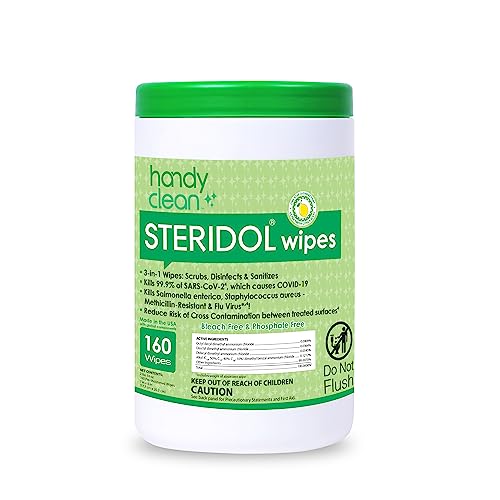
- Antimicrobial wipe for door knobs for quick touch-ups


Before You Start
Plan a quick, dry-cleaning-friendly routine. Clear the area, wear gloves if desired, and test cleaners on a small, inconspicuous area first. Time estimate: 5–10 minutes per knob, depending on dryness and texture. Caution: Avoid abrasive cleaners on finished hardware to prevent scratches. Do not mix cleaners that contain ammonia with bleach-based products, as this can create harmful fumes. For electronics or smart locks, follow the manufacturer’s maintenance instructions to protect internal components.
Step-By-Step: How To Clean Door Knobs
- Remove surface grime with a dry microfiber cloth to lift dust before applying liquids.
- Apply a small amount of antibacterial door knob disinfectant spray to a clean microfiber cloth or the antimicrobial wipe, avoiding oversaturation.
- Wipe the entire knob, paying attention to crevices, seams, and the collar where grime collects.
- For textured or metallic knobs, use the stainless steel door knob cleaning brush to target grooves, then wipe away loosened debris with a fresh cloth.
- Allow the surface to remain visibly damp for the product’s recommended contact time, if specified, to maximize sanitation.
- Dry the knob with a dry microfiber cloth to prevent moisture from penetrating seams and to reduce streaks.
- Inspect for remaining smudges; repeat wipe-down on stubborn spots if needed.
- For households with high-touch areas (bathrooms, kitchens), consider a second pass with an antimicrobial wipe for extra protection.
- Rotate between microfiber cloths to keep one dedicated to dry areas and one for damp cleaning to avoid cross-contamination.
- Rinse or wipe down brushes after use and let them air dry to prevent residue buildup.
- Store cleaning supplies out of reach of children and pets when not in use.
Troubleshooting
| Symptom | Likely Cause | Fix | Prevention |
|---|---|---|---|
| Streaks after cleaning | Residue from cleaner or water | Buff with a dry microfiber cloth | Use minimal cleaner and dry thoroughly |
| Persistent fingerprint marks | Oil from hands or sticky residue | Rewipe with fresh cloth and a light sanitizer | Wipe regularly, especially in high-traffic areas |
| Discoloration on brass or coated finishes | Abrasive cleaners or harsh chemicals | Switch to manufacturer-approved cleaners and avoid steel wool | Choose gentle cleaners for durable finishes |
| Knob feels sticky | Grease buildup in seams | Brush with stainless steel door knob cleaning brush and rewipe | Clean weekly in busy homes |
| Smart-lock won’t respond after cleaning | Moisture exposure | Dry thoroughly and wait to reattempt | Follow device manufacturer guidelines |
Common Mistakes
- Using excessive liquid that seeps into internal mechanisms
- Overlooking the back of the lever or plate where grime can accumulate
- Using abrasive brushes on delicate finishes
- Skimping on dry-time, leaving moisture that attracts more dirt
Sticking to light, frequent cleanings with the right tools will keep knobs looking fresh and reduce grime buildup over time.
Tips For Best Results
- Schedule a weekly quick wipe during busy weeks for high-traffic doors.
- Use a dedicated microfiber cloth per cleaning session to avoid cross-contamination.
- Alternate between microfiber cloths and antimicrobial wipes to balance sanitation and polish.
- Store brushes and cloths in a labeled caddy near the cleaning area for convenience.
Call A Professional
Consider a professional if door hardware shows signs of corrosion, significant wear, or if you suspect damage to internal mechanisms. Seek expert help for antique or brass finishes that require specialized restoration. If a smart lock becomes unresponsive after cleaning, contact a licensed technician or the manufacturer’s support line rather than attempting DIY fixes.
FAQ
How often should I clean door knobs?
Clean door knobs at least once a week in high-traffic areas and after illnesses to reduce germs on frequently touched surfaces.
Can I use bleach on door knobs?
Bleach can damage finishes over time. Use manufacturer-approved cleaners or mild disinfectants safe for the knob’s material.
What’s the best wipe for quick touch-ups?
Antimicrobial wipes offer fast sanitizing action without excessive moisture; pair with a microfiber cloth for best results.
Are stainless steel brushes safe on all knobs?
Most knobs tolerate soft brushes, but avoid aggressive scrubbing on delicate coatings. Always test on a small area first.
Buying Guide
When choosing products for door knob maintenance, consider several factors to maximize effectiveness and ease of use.
Size and material compatibility: knobs come in varied shapes and finishes. Ensure brushes and cloths are gentle on brass, nickel, chrome, and stainless steel finishes. A universal door handle cleaning kit with brush and microfiber cloth usually covers most needs.
Cleaning ability vs. gentleness: select a antibacterial door knob disinfectant spray and microfiber cloths that remove grime without scratching surfaces. For stubborn buildup, a stainless steel door knob cleaning brush can help, but avoid harsh abrasives.
Disinfection efficacy: look for products with proven antimicrobial claims suitable for high-touch areas. Pair a spray with wipes for quick daily touchups and deeper weekly cleans.
Ease of use and storage: compact kits with a brush and cloth are convenient for multi-door homes and offices. Keep supplies near entrances for routine use.
Safety and surface care: follow label directions, avoid mixing cleaners, and test on a small area if unsure about finishes. For electronics or smart locks, defer to manufacturer guidance.