Clogged drains are a common home issue, but regular care can prevent buildup and costly calls. This guide outlines practical steps to maintain kitchen and bathroom drains, using a mix of natural maintenance habits and targeted tools. By following a routine, homeowners can reduce odors, slow clogs, and keep water moving smoothly.
Quick Answer
Maintain drains with regular hot-water rinses, enzyme cleaners, and a light mechanical approach. Use an enzyme drain cleaner kit to break down organic buildup, a hand-crank drain snake for stubborn blockages, and a bathroom-specific unclogging plunger kit for quick relief. Schedule monthly maintenance and avoid pouring grease or harsh chemicals down pipes.
What You’ll Need
- enzyme drain cleaner kit for kitchen sink
- hand-crank drain snake auger 1/4 inch
- sink drain cleaning brush set
- plumber’s drain snake kit 6 ft
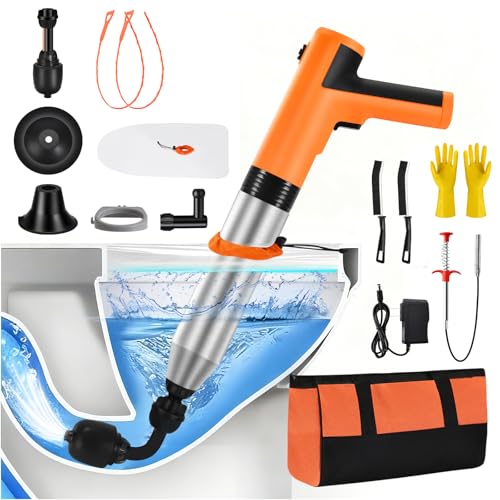
- unclogging plunger kit for bathroom drains


Before You Start
Prepare your workspace and safety gear, such as gloves and eye protection. Clear the area around the sink, remove standing water if present, and have a bucket ready for any debris. Avoid mixing chemical cleaners with mechanical methods, which can cause fumes or pipe damage. Time estimates vary: routine maintenance 30–45 minutes; addressing a partial clog up to 1 hour. For sensitive pipes or old homes, proceed with caution and consider professional help if unsure.
Step-By-Step: How To Keep Drains Clean
- Assess the drain: Check whether the drain is slow, partially blocked, or fully blocked. A slow drain often responds to routine maintenance, while a full blockage may require a mechanical solution.
- Prepare the kitchen sink: Remove dishes and debris from the sink and dispose of any obvious grease into the trash, not the drain.
- Apply enzyme cleaner: Shake or mix the enzyme drain cleaner kit for kitchen sink according to package directions. Pour into the drain and wait the recommended dwell time to allow enzymes to eat organic buildup.
- Flush with hot water: After the enzyme dwell time, run hot water for several minutes to push loosened material through the pipes.
- Use a plumber’s drain snake kit 6 ft: For persistent clogs, feed the snake gently into the drain until you feel resistance. Rotate the handle to break up obstruction and pull out debris as it collects on the snake.
- Alternate with a hand-crank drain snake auger 1/4 inch: If resistance remains, switch to the lighter snake. Use short, steady turns to avoid damaging pipes while working the clog free.
- Scrub the drain area: Use the sink drain cleaning brush set to scrub the drain opening, including the rim and overflow if present, to remove crumbly buildup.
- Rinse and test: Run hot water again for several minutes. Check for drainage improvement and repeat steps if needed, up to two cycles per blockage episode.
- Bathroom drains: For sinks and showers, use the unclogging plunger kit for bathroom drains with controlled, steady pumping to relieve surface blockages.
- Maintenance routine: Establish a monthly regimen combining enzyme cleaners, hot-water flushes, and light brushing to prevent recurring buildup.
- Evaluate results: If drainage remains slow or recurring clogs appear, consider professional assessment to avoid pipe damage or hidden blockages.
Troubleshooting
| Symptom | Likely Cause | Fix | Prevention |
|---|---|---|---|
| Slow drain after cleaning | Partial blockage or mineral buildup | Repeat enzyme cleaner cycle and hot-water flush | Monthly enzyme treatment; avoid pouring oils down the drain |
| Strong odor from drain | Organic matter buildup in trap or pipes | Clean trap area and vents; use enzyme cleaner | Regular cleaning and trap maintenance |
| Clog recurs within days | Grease or hair accumulation behind trap | Inspect trap, clear debris, and use drain brush | Grease disposal in trash; use hair catcher |
| Drain backup after shower | Narrow or clogged bathroom drain line | Use bathroom unclogging plunger kit and gentle snaking | Prevent hair buildup with screen; routine cleaning |
Common Mistakes
- Overreliance on chemical drain cleaners with repeated use
- Using harsh tools on old or narrow pipes
- Neglecting traps and vent paths, leading to odor and recurring clogs
- Pouring cooking grease down the drain after cooking
Tips For Best Results
- Design a simple maintenance schedule: enzymes quarterly and hot-water flushes monthly.
- Keep a mop bucket handy to capture overflow during cleaning sessions.
- Use a fine-mesh screen on kitchen and bathroom sinks to trap hair and solids.
- Label and store tools in a dedicated cleanup area for quick access.
- Test drainage after each maintenance step to confirm improvement.
Call A Professional
Consider contacting a plumber if any of the following occur: persistent backups after multiple cleaning attempts, sewage odors, gurgling sounds from the pipes, or water leaks around traps. Do not force tools into deeply blocked lines or attempt disassembly beyond your comfort level. A licensed professional can diagnose hidden blockages, damaged pipes, and venting issues safely.
FAQ
Can enzyme drain cleaners damage pipes?
When used as directed, enzymatic cleaners are generally safe for standard household plumbing, but avoid mixing with other cleaners and use only as recommended.
How often should I clean my drains?
A routine schedule with monthly hot-water flushes and periodic enzyme treatments is common, with more frequent use if your home has hard water or hair-heavy drains.
What’s the difference between a drain snake and a plunger?
A drain snake physically breaks up and retrieves clogs in pipes, while a plunger creates pressure to push blockages free at the drain opening.
Is professional cleaning expensive?
Costs vary by location and issue, but chronic or complex clogs often require a professional assessment to prevent damage and ensure safety.
Buying Guide
Buying factors to consider help tailor choices to your home’s needs. Size and reach matter for kitchen vs. bathroom drains, while noise and energy touch on powered tools. For those aiming for a balanced DIY approach, choose a vetted kit that includes enzyme cleaners, multiple drain snakes, and a practical brush set. Consider the typical obstruction you encounter—hair, grease, or mineral buildup—and select tools designed to address that material. A compact, easy-to-store selection is ideal for apartment living, while a full kit benefits households with frequent clogs. And remember, safety and proper usage are paramount for reliable results.