Door handles are high-contact surfaces that can harbor germs and oils. Regular, proper cleaning helps maintain hygiene and preserve the finish of metal and hardware. This guide provides practical steps using common tools and safe cleaners to keep door handles sparkling clean in any American home or workspace.
Quick Answer
To clean door handles efficiently: gather a dedicated cleaner spray, a microfiber cloth, and a scrub brush if needed; wipe with a mild disinfectant, scrub gently on textured surfaces, rinse with a damp cloth when necessary, and dry thoroughly. Repeat weekly for high-traffic doors.
What You’ll Need
- Stainless steel door handle cleaner spray
- Door handle cleaning kit with microfiber cloths
- Antibacterial disinfectant spray for door handles
- Microfiber cleaning cloth for door handles
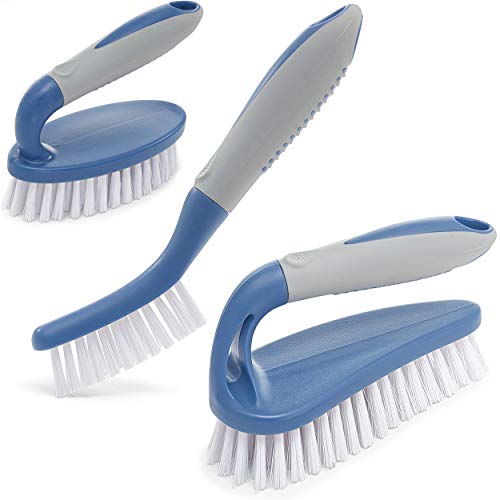
- Door handle scrub brush set


Before You Start
Assess the door handle material and finish to avoid harsh cleaners that could damage coatings. Test any cleaner on a hidden spot first. Work in a well-ventilated area and wear gloves if you have sensitive skin. Allow surfaces to dry completely before use, especially in kitchens and bathrooms. Time estimate: 10–20 minutes per door, depending on the finish and grime level. Avoid abrasive pads on polished finishes to prevent scratching.
Step-By-Step: How To Clean Door Handles Effectively
- Remove loose dust with a dry microfiber cloth to prevent smearing when dampened cleaners are applied.
- Apply a stainless steel door handle cleaner spray or an antibacterial disinfectant spray for door handles to a microfiber cloth.
- Wipe all high-contact areas, including the lever, grip, and surrounding rosette, using firm, even strokes.
- For textured or brushed finishes, use a door handle scrub brush set to lift embedded grime without scratching the surface.
- Follow with a second wipe using a clean microfiber cloth to remove any residues and to brighten the finish.
- If you prefer a no-rinish approach, use a gentler cleaner that’s labeled safe for metal finishes and wipe dry with a microfiber cloth.
- On door handles near bathrooms or kitchens, spray a light layer of antibacterial disinfectant spray for door handles and allow to air-dry.
- For stainless steel or chrome finishes, buff with a dry microfiber cloth in the direction of the grain to restore shine.
- Clean the surrounding plate, screws, and escutcheon if they are visibly dirty or tarnished, using the same cleaning method.
- Rinse and dry high-traffic handles more frequently during illness seasons or in shared spaces.
- Store cleaning tools in a dedicated kit to prevent cross-contamination between rooms.
- Inspect for wear or corrosion after cleaning; replace components if the finish shows pitting or fading.
Troubleshooting
| Symptom | Likely Cause | Fix | Prevention |
|---|---|---|---|
| Streaks after cleaning | Residue from cleaners | Wipe with a clean, dry microfiber cloth | Use one-brand cleaner and lint-free cloths |
| Scratches on finish | Abrasive tools | Switch to soft cloths and brush with gentle pressure | Avoid steel wool or rough pads |
| Discoloration on coated handles | Harsh solvent or leaving cleaner too long | Rinse and dry promptly; use mild cleaners | Test cleaner first on hidden area |
| Sticky residue after cleaning | Over-application of cleaner | Wipe thoroughly with damp cloth, then dry | Use recommended amounts |
Common Mistakes
- Using abrasive pads or steel wool on delicate finishes
- Choosing cleaners not labeled for metal hardware
- Skipping a thorough dry after cleaning, which can attract dust
- Neglecting high-traffic doors during busy seasons
Tips For Best Results
- Rotate cleaning products to prevent residue buildup; pick a cleaner compatible with your door handle material
- Keep a small, dedicated kit near frequently used doors for quick touch-ups
- Wipe from the top of the handle downward to prevent runoff onto surrounding surfaces
- Use microfiber cloths only—these trap grime rather than spreading it
- Label cleaners and store out of reach of children
Call A Professional
Contact a professional if door handles show deep pitting, severe staining, corrosion, or if the finish is peeling. Seek expert help for repairs on antique or specialty hardware, or when disassembling parts risks damage to the door or frame.
FAQ
What cleaners are safe for door handles?
Use a mild antibacterial spray or stainless steel cleaner suited for metal finishes and always test a small area first.
How often should door handles be cleaned?
Clean high-traffic handles at least once a week and more often during flu season or in shared spaces.
Can I use dish soap on door handles?
A small amount of mild dish soap mixed with water is acceptable for light cleaning on some finishes; rinse and dry well.
Is it okay to use disinfectants on natural brass handles?
Yes, but check the product label for compatibility with brass and avoid acidic cleaners that may dull the finish.
Should I remove the handle for cleaning?
Not usually necessary; many handles can be cleaned in place with appropriate cleaners and cloths.
How do I prevent fingerprint smudges after cleaning?
Polish with a dry microfiber cloth and consider a light protective spray if the finish allows.
What if the finish becomes dull after cleaning?
Switch to a gentler cleaner and verify use on the specific metal; buff with a clean cloth after drying.
Buying Guide
When shopping for door handle cleaning supplies, consider the handle material (stainless steel, brass, bronze, or coated finishes), the level of dirt, and household needs. Look for a stainless steel door handle cleaner spray that is non-abrasive and safe for repeated use. A door handle cleaning kit with microfiber cloths provides convenience and consistent results, especially in busy homes or offices. For sensitive or high-traffic areas, an antibacterial disinfectant spray for door handles offers additional hygiene benefits. A basic microfiber cleaning cloth for door handles is essential, as is a door handle scrub brush set for textured surfaces. Consider storage, ease of use, and how the kit complements other kitchen and bathroom cleaning routines. If you prefer fewer products, choose a multi-surface cleaner labeled for hardware finishes. Finally, inspect packaging for safety data and ensure kid- or pet-friendly formulations if necessary. Would you benefit from a compact, all-in-one kit for small apartments, or a larger set for multiple doors in a home or office?