Dishcloths trap bacteria and odors quickly, especially in busy kitchens. Vinegar offers a simple, inexpensive way to sanitize and refresh cloths between washes. This guide walks through practical steps to clean dishcloths effectively using vinegar and common kitchen tools.
Quick Answer
Rinse dirty dishcloths, soak in a hot vinegar solution, launder with laundry sanitizer, and air dry. Use a spray bottle for vinegar application and a scrub brush for tough spots. Regularly dry cloths on a rack to prevent mold and mildew.
What You’ll Need
- Spray bottle 32 oz for vinegar cleaning adjustable nozzle
- Microfiber kitchen cleaning cloths non-scratch set
- Dishcloth drying rack countertop rack
- Stiff bristle dish brush kitchen scrub brush
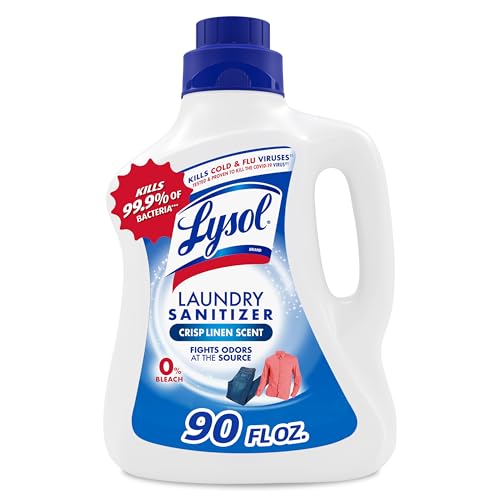
- Laundry sanitizer for towels machine washable


Before You Start
Prepare a clean workspace and gather tools. Use hot water for soaking, as higher temperatures enhance vinegar’s effectiveness. Do not mix vinegar with bleach or hydrogen peroxide; this can create harmful fumes. Time estimate: about 20 to 40 minutes per load, depending on cloth type and soil level. Important: test a small fabric patch if a cloth is delicate or printed.
Step-By-Step: How To Clean Dishcloths With Vinegar
- Rinse the dishcloths under warm running water to remove loose food particles.
- Fill the spray bottle with white vinegar and set the nozzle to a fine mist for even coverage.
- Apply vinegar directly to stained or heavily soiled areas, then let sit for 5–10 minutes to penetrate oils and residues.
- Soak cloths in a basin or sink filled with hot water and a cup of white vinegar for 15–20 minutes to sanitize.
- Gently scrub stubborn spots with a stiff bristle dish brush to lift embedded grime.
- Rinse thoroughly and transfer cloths to the washing machine with laundry sanitizer for towels; run a hot wash cycle.
- Remove and place the cloths on a dishcloth drying rack to air dry completely, avoiding damp storage.
- Inspect for lingering odors. If needed, repeat a shorter vinegar soak and wash cycle.
Troubleshooting
| Symptom | Likely Cause | Fix | Prevention |
|---|---|---|---|
| Persistent musty smell | Cloth remained damp after washing | Increase spin time; ensure complete drying on rack | Dry promptly after use; avoid leaving damp in containers |
| Stains after wash | Oil-based residues not fully removed | Pre-treat with vinegar, scrub, and rewash | Rinse immediately after use to prevent setting |
| Discoloration on fibers | Overuse of vinegar on colored fabrics | Spot-test vinegar on a hidden area before full treatment | Alternate with mild detergent washes |
| Cloths feel stiff | Detergent residue or minerals | Use extra rinse cycle | Directly rinse and dry thoroughly |
Common Mistakes
- Using vinegar too concentrated on delicate fabrics
- Letting cloths soak too long and causing fiber damage
- Skipping a thorough rinse, leaving vinegar traces
- Storing damp cloths in closed spaces where mold can develop
Tips For Best Results
- Maintain a dedicated spray bottle for concentrated vinegar to avoid cross-contamination.
- Rinse well after vinegar treatment to prevent sour odors from lingering.
- Combine vinegar treatment with a hot wash for best sanitizing effects.
- Regularly replace worn microfiber cloths to preserve cleaning efficiency.
- Keep a dishcloth drying rack in a well-ventilated area to speed up drying.
Call A Professional
Consider professional help if dishcloths show persistent mildew that resists cleaning, or if a home cleaning routine has not resolved persistent odors after multiple treatments. Seek guidance from a professional cleaner or consider replacing textiles if they repeatedly fail to sanitize effectively.
FAQ
Can I use vinegar every time I wash dishcloths?
Yes, vinegar is safe for regular use and helps reduce odors and bacteria when used with hot water and a proper rinse.
Is hot water necessary for vinegar cleaning?
Hot water enhances effectiveness by helping dissolve oils and residues; use the hottest water safe for the fabrics.
What if I don’t have a laundry sanitizer?
Add a small amount of detergent with an extra rinse cycle or use a combination of vinegar and baking soda as a pre-soak, followed by normal washing.
How often should I clean dishcloths with vinegar?
Aim for weekly cleaning in households with heavy dish usage; wash more frequently if odors persist.
Are there alternatives to vinegar?
Hydrogen peroxide or baking soda can be used in combination with a hot wash, but avoid mixing these with vinegar directly.
Will vinegar damage colored cloths?
Most colors are stable, but test on a hidden area if possible and consider using diluted vinegar for delicate fabrics.
How can I speed up drying time?
Wring out excess water, use a high-ventilation drying rack, and avoid stacking damp cloths together.
Buying Guide
Choosing the right tools for vinegar-based dishcloth care improves results and reduces odor buildup. Factors to consider include size, noise level, energy efficiency, controls, and placement in the kitchen.
Size and Capacity
Size matters for both the spray bottle and the dishcloth drying rack. A 32 oz spray bottle provides sufficient cleaning solution for multiple cloths per session, while a compact drying rack fits most countertops without crowding the workspace.
Noise Level
Resistance to busy kitchen environments benefits from a quiet rack or an unobtrusive brush when scrubbing. Look for low-noise options when purchasing a scrub brush or drying rack that won’t distract during routine cooking.
Energy Efficiency
Hand-wash and air-dry routines reduce energy use compared to frequent machine-based cycles alone. When using a washer, choose hot water cycles efficiently and pair with a drying rack to minimize dryer use.
Controls and Usability
Simple, ergonomic tools improve performance. An adjustable spray bottle nozzle helps control vinegar application, while a sturdy dish brush with comfortable grips accelerates tough cleaning tasks.
Placement and Storage
Select a drying rack that fits your counter space and allows air circulation. Place the spray bottle within easy reach of the sink and keep microfiber cloths in a clean, dry container or drawer to prevent contamination.