Dish towels can harbor grease, bacteria, and odors if not cleaned properly. This practical guide walks American households through proven methods to refresh towels, remove stains, and keep them sanitary between washes.
From everyday wash cycles to targeted tools designed for towels, readers will learn a step-by-step routine that fits most homes and laundry setups.
Quick Answer
Wash towels with hot water when possible, use a quality detergent, and add a sanitizing step if your machine supports it. For stubborn stains, pre-treat with a stain remover, use a rinse with white vinegar or a baking soda boost, and consider a dedicated towel scrubber for deeper cleaning.
What You’ll Need
- Stiff-bristle laundry scrub brush for towels
- Microfiber cleaning brush set for laundry
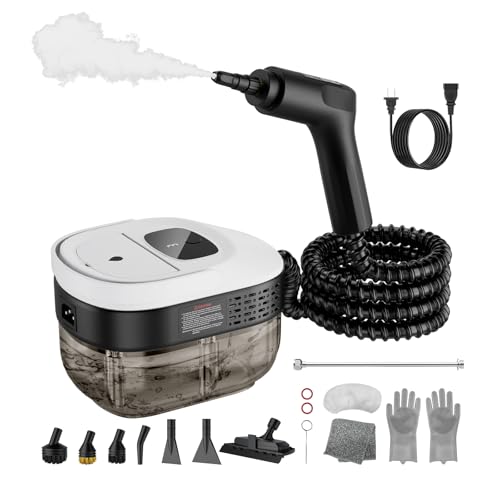
- Portable fabric steamer for sanitizing towels
- Laundry tub scrub brush for towels
- Washing machine sanitizer tablets for towels


Before You Start
Check care labels on towels to confirm water temperature recommendations. Use the hottest water safe for the fabric and avoid overloading the washing machine, which reduces agitation and rinsing effectiveness. Always follow manufacturer directions for any cleaners or sanitizers you plan to use. Plan for a total cleaning window of about 60 to 90 minutes, depending on your chosen method.
Step-By-Step: How To Clean Dish Towels
- Sort towels by color and level of soiling to prevent dye transfer and ensure the dirtiest towels get proper cleaning.
- Pre-treat stains: apply a stain remover or a paste of baking soda and water to grease marks or food stains; let sit 10–15 minutes.
- Fill the washing machine with hot water (or warm if hot water isn’t advised) and add an appropriate amount of detergent.
- Run a wash cycle with an optional laundry sanitizer tablet for towels to target bacteria and odors.
- For stubborn odors, run a second rinse cycle with distilled white vinegar in the rinse water.
- Optionally use a scrub brush to gently agitate heavily soiled areas, especially around hems and seams, then rewash if needed.
- After washing, promptly transfer towels to the dryer or air-dry outdoors to prevent musty smells from lingering.
- If using a fabric steamer, lightly steam towel surfaces to further sanitize and refresh fibers once towels are thoroughly dry.
- Inspect towels for any remaining stains; repeat pre-treat and wash steps as necessary.
- Store towels in a clean, dry area to maintain freshness between uses.
- Periodically run a “deep clean” cycle with hot water and a sanitizer to prevent buildup over time.
Troubleshooting
| Symptom | Likely Cause | Fix | Prevention |
|---|---|---|---|
| Persistent musty smell | Moisture trapped in towels | Run an extra rinse; use vinegar in rinse | Dry towels completely, avoid damp storage |
| Stains reappearing | Inadequate pre-treatment | Pre-treat with stain remover or paste; rewash | Treat stains promptly |
| Color fading | Overheating or harsh detergents | Follow care labels; use milder cycle | Paint-free, color-safe detergents |
| Fiber damage after washing | Aggressive brushing or scrub tools | Use gentler scrubbing; limit brush use to problem areas | Regular, gentle maintenance |
Common Mistakes
- Overloading the washing machine, which reduces rinsing efficiency
- Using hot water for delicate towels that require cooler settings
- Skipping the rinse cycle after applying heavy cleaners
- Neglecting to dry towels promptly, leading to musty odors
Proper technique reduces wear on fibers and maintains cleanliness over time.
Tips For Best Results
- Rotate towels so each load receives even wear and thorough cleaning
- Use a towel-specific rinse or sanitizer if your household has sensitive skin
- Consider a microfiber cleaning brush set for gentle surface cleaning and fabric care
- Store towels in a dry, well-ventilated area to prevent dampness
Call A Professional
Call a professional if towels show persistent stubborn stains after multiple cleaning attempts, or if there is visible mold growth that does not improve with standard sanitizers. Seek expert help for damaged fibers or unusual odors that resist home methods.
FAQ
Can I use regular laundry detergent to clean towels?
Yes, regular detergent works for most towels, but for heavy stains or odors, consider adding a sanitizer or stain remover.
Is hot water always better for towels?
Hot water is effective for sanitizing, but some towels (like delicate or colored fibers) require cooler temperatures per care labels.
What’s the benefit of a sanitizer tablet for towels?
Sanitizers target bacteria and fungi, helping maintain freshness between washings.
How often should I deep clean towels?
Deep cleaning every 1–2 months helps remove buildup and odors, especially in busy households.
Buying Guide
When selecting towels and cleaning tools, consider size, material, and care requirements. For example, high-absorbency towels benefit from gentle laundering and proper drying. A dedicated washing routine with a sanitizer option can improve hygiene. Think about noise, energy use, and placement of any steamers or scrub brushes in the laundry area to minimize disruption. Assess your typical load size to determine whether a larger tub scrub brush or compact portable steamer best fits your space. By weighing these factors, shoppers can choose solutions that improve towel cleanliness while fitting daily routines.