Maintaining cleanliness of a wheelchair supports comfort, hygiene, and the device’s longevity. Regular cleaning helps prevent the buildup of dirt, grime, and bacteria that can affect usability and skin health. This guide outlines a simple, effective routine using common cleaning tools and accessories.
Quick Answer
Use a gentle cleaning spray or mild soap, soft microfiber cloths, and a dedicated wheelchair cleaning brush set for hard-to-reach spots. Wipe down surfaces with antibacterial wipes, lubricate moving parts as needed, and dry thoroughly before use.
What You’ll Need
- Wheelchair cleaning brush set
- Antibacterial wipes for wheelchair
- Microfiber cleaning cloths for wheelchair
- Wheelchair frame cleaning spray
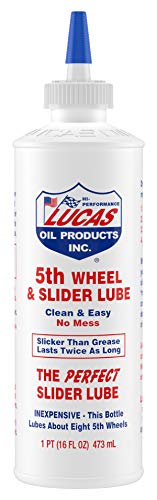
- Caster wheel lubricant and cleaner for wheelchair


Before You Start
Prepare a well-ventilated workspace and gather all tools. Protect cushions or fabric surfaces with a protective cover. Test cleaners on inconspicuous areas to avoid discoloration. Time estimate: 20–40 minutes for routine cleaning; longer for deep cleaning.
Cautions: Avoid harsh solvents, and never immerse electronic controls or batteries in water. Keep cleaners away from upholstery seams and padding to prevent moisture damage.
Step-By-Step: How To Clean A Wheelchair
- Remove cushions and detachable upholstery and set aside for separate cleaning.
- Dust frame and components with the wheelchair cleaning brush set to dislodge debris.
- Spray the wheelchair frame cleaning spray on a microfiber cloth and wipe all smooth surfaces in a top-to-bottom motion.
- Wipe joints, armrests, and backrest using a slightly damp cloth to remove buildup without soaking.
- Clean caster wheels with the same spray and wipe; spin wheels to remove loosened particles.
- Apply the caster wheel lubricant and cleaner to moving parts as needed, then wipe away excess.
- Use antibacterial wipes to sanitize high-contact areas like push rims, armrests, and control handles.
- Dry all surfaces thoroughly with a dry microfiber cloth to prevent moisture retention.
- Reassemble cushions and inspect for any signs of wear or moisture damage.
- Test ride the wheelchair in a safe area to ensure smooth operation after cleaning.
- Store cleaning supplies ready for next maintenance session and note any recommendations for future care.
Troubleshooting
| Symptom | Likely Cause | Fix | Prevention |
|---|---|---|---|
| Sticky residue on frame | Excess cleaner or damp cloth | Wipe again with a dry microfiber cloth | Use sparingly and ensure cloth is just damp |
| Drying streaks on metal surfaces | Too much cleaner or improper drying | Buff with dry cloth until clear | Dry promptly after cleaning |
| Wheel squeak after cleaning | Lubricant not applied correctly | Reapply lubricant according to instructions | Apply small amounts at a time |
| Fabric upholstery shows moisture | Excess moisture during cleaning | Air-dry in a well-ventilated area | Limit liquid exposure to fabrics |
Common Mistakes
- Using harsh solvents that can damage finishes or upholstery
- Soaking parts or electronics with water
- Forgetting to dry surfaces completely, leading to rust or mold
- Over-lubricating caster wheels, causing dirt attraction
Staying mindful of these pitfalls helps maintain performance and appearance over time.
Tips For Best Results
- Schedule routine cleanings every 1–2 weeks, or after exposure to dirt or rain.
- Use microfiber cloths for their scratch-free, lint-free properties.
- Keep a dedicated cleaning kit in a reachable location for quick maintenance.
- Test any cleaner on a hidden area first to check for discoloration.
- Document wear or corrosion signs to address before they worsen.
Call A Professional
Seek professional assistance if there are persistent squeaks, rust, frame deformation, or electrical control issues that do not improve with basic cleaning and lubrication.
Stop signs include visible cracks, loose bolts, or unusual handling during operation. If uncertain about safety, contact a qualified mobility equipment technician.
FAQ
How often should I clean a wheelchair?
Perform a light wipe-down weekly and a deeper clean every 2–4 weeks, depending on usage and environment.
Can I use bleach or strong cleaners on a wheelchair?
Avoid bleach and strong solvents; they can damage finishes and upholstery.
What should I use to clean upholstery?
Use mild soap and water or manufacturer-approved cleaners; test first in a hidden area.
Is it safe to wash the wheels with water?
Wipe the wheels with a damp cloth and avoid soaking to prevent moisture intrusion into bearings.
Buying Guide
Choosing the right cleaning approach for a wheelchair involves considering size, materials, and the environment. Key factors include:
- Size and weight: Ensure cleaning tools fit around frames and wheels without obstruction.
- Noise level: Quiet cleaners and lubricants help in shared living spaces.
- Energy efficiency: Manual cleaning tools require no energy; choose efficient sprays with minimal waste.
- Controls: Simple spray-and-wipe products reduce complexity for caregivers.
- Placement: Store products in a reachable, dry area away from children.
When comparing products, consider compatibility with wheel types, upholstery care instructions, and the availability of a complete cleaning kit versus individual items. If users frequently encounter stubborn grime or rust, a more robust frame cleaning spray and targeted lubricant may offer better long-term value.