Deck railings endure sun, rain, pollen, and dirt, making regular cleaning essential for appearance and longevity. This guide walks American homeowners through safe, efficient methods to remove grime from various railing materials, using common cleaning tools and accessible supplies.
Quick Answer
Start with a basic soap and water wash using a stiff nylon deck railing brush. For tougher buildup, switch to a vinyl-friendly cleaner or a pressure washer wand attachment on a low setting. Always rinse thoroughly and dry to prevent streaks or moisture damage.
What You’ll Need
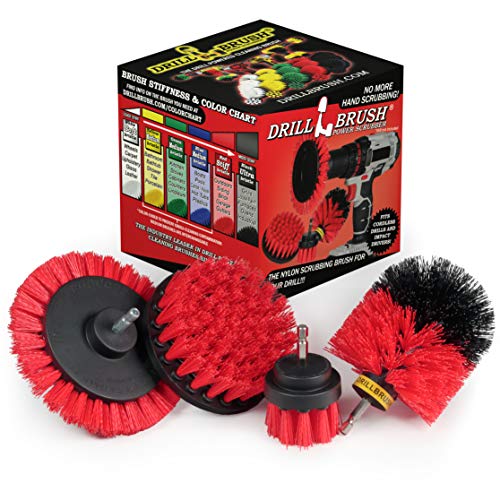
- Stiff nylon deck railing brush 18 inch
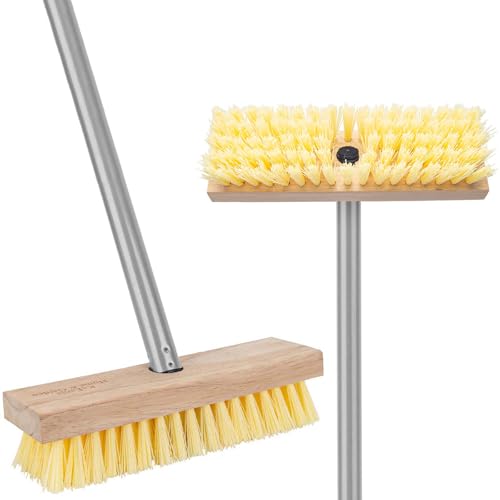
- Outdoor deck railing cleaning brush long handle
- Vinyl railing cleaner spray bottle for deck
- Pressure washer wand attachment for deck railing cleaning
- Deck rail scrubbing brush with ABS handle

Before You Start
Identify railing material (wood, vinyl, aluminum, or composite) because cleaning methods vary. Protect nearby plants and surfaces with a drop cloth or plastic sheeting. Test cleaners on a small, inconspicuous spot to check for colorfastness or finishes lifting. Schedule cleaning on a dry day to avoid slipping hazards. Wear eye protection and gloves when using brushes, cleaners, or a pressure washer. Allow ample time for drying after cleaning to prevent moisture damage.
Step-By-Step: How To Clean Deck Railing
- Remove loose debris by sweeping the railing and surrounding deck surface with a broom or dry brush.
- Mix a mild cleaning solution with warm water in a bucket, using a gentle detergent suitable for your railing material.
- Dip the stiff nylon deck railing brush or the outdoor deck railing cleaning brush long handle into the solution and scrub railings in a top-to-bottom motion to lift dirt.
- Rinse sections with a garden hose, using a steady spray to wash away suds and grime.
- For stubborn stains, apply a vinyl railing cleaner spray bottle for deck in a targeted fashion and scrub again with the appropriate brush.
- If using a pressure washer wand attachment for deck railing cleaning, set to a low to medium pressure and keep the spray at a slight angle to avoid gouging surfaces.
- Rinse thoroughly to remove cleaner residue, then let the railing air-dry completely before subjecting it to use or weather exposure.
- Inspect for remaining buildup; repeat as needed, focusing on joints, lattice, and any textured surfaces where grime tends to accumulate.
- Maintain regular cleaning intervals, especially after pollen season or winter exposure, to keep rails looking fresh and functional.
- Store brushes clean and dry in a dry area to prevent mold growth and preserve bristle stiffness for future use.
- Document any visible wear or damage and address it promptly to extend railing life, such as repainting, resealing, or replacing worn components.
Troubleshooting
| Symptom | Likely Cause | Fix | Prevention |
|---|---|---|---|
| Streaks after cleaning | Residue or improper rinsing | Re-rinse thoroughly and dry with a microfiber cloth | Rinse in sections; avoid over-application of cleaner |
| Discoloration on vinyl or wood | Harsh cleaner or pressure | Switch to a vinyl-safe or wood-safe cleaner; reduce pressure | Test first; follow manufacturer guidelines |
| Brackets or fasteners corroded | Moisture exposure and cleaning chemicals | Clean, then inspect and lubricate or replace as needed | Use corrosion-resistant hardware; avoid oversaturation |
| Brushing leaves scratch marks | Bristle stiffness or material sensitivity | Switch to softer bristles or a lighter touch | Choose brushes designed for your railing material |
| Persistent mildew or mold | Shade, moisture, organic buildup | Use a mildew-specific cleaner and scrub; ensure thorough drying | Improve airflow and sun exposure where possible |
Common Mistakes
- Using a high-pressure setting on delicate materials like vinyl or composite rails
- Using abrasive brushes that scratch paint or finishes
- Skipping a test patch before applying cleaners nationwide
- Neglecting to rinse completely, leaving cleaner residue behind
- Cleaning in direct sunlight, which can cause rapid drying and streaking
Tips For Best Results
- Work from top to bottom to prevent dirty water from dripping onto cleaned areas.
- Use a dedicated vinyl-safe cleaner if plastic or PVC rails are present.
- Soak especially grimy areas with cleaner before scrubbing to loosen dirt.
- Keep a damp cloth handy to wipe away residue on curved or textured sections.
- After cleaning, consider applying a protective sealant or wax if the railing material supports it.
Call A Professional
Consider a pro if railings show structural damage, loose posts, or extensive rot in wooden rails. Signs to contact a professional include creaking joints, rusted metal connectors, or paint deterioration that reveals bare wood. If a DIY approach would require specialized tools beyond typical household equipment, a professional can assess and repair safely and efficiently.
FAQ
What is the best cleaner for vinyl railings?
Use a vinyl-safe cleaner or a mild detergent diluted in water, avoiding harsh solvents that can damage the surface.
Can I use a pressure washer on composite railings?
Yes, on a low setting with caution to avoid gouging or lifting fibers; test a small area first.
How often should I clean deck railings?
Wipe down monthly during peak outdoor use and perform a thorough cleaning every 3–6 months, depending on weather and debris.
What should I do if rust appears on metal railing parts?
Remove rust with a rust-inhibiting cleaner, reseal or repaint, and replace severely corroded components if necessary.
Buying Guide
Choosing cleaning tools and products for deck railings depends on material, ease of use, and maintenance goals. Consider size, weight, and ergonomics of brushes to reduce fatigue during longer cleanings. Noise and spray considerations matter when using a pressure washer wand attachment for deck railing cleaning, especially near living spaces. Look for multi-surface compatibility in cleaners to simplify supplies. Energy efficiency is less of a concern for manual tools, but choosing high-quality brushes with durable ABS handles can reduce replacement costs and waste. Think about storage space and whether you prefer a long-handled brush to minimize bending. Finally, assess compatibility with rail materials—vinyl, wood, metal, or composite—to ensure safe, effective results. Are you prioritizing speed, thoroughness, or low environmental impact? Your answer will guide your tool selection and cleaning routine.