Dry erase boards are a staple in homes and offices, but keeping them pristine requires the right approach. This guide covers practical steps, safe products, and common pitfalls to ensure your whiteboards stay crisp and easy to read.
Quick Answer
Use a dedicated dry erase cleaner or a 70% isopropyl alcohol spray, apply with a lint-free microfiber cloth, and finish with a dry erase eraser or cloth to lift away marker residue. For stubborn stains, repeat with a fresh cloth and cleaner, then wipe dry.
What You’ll Need
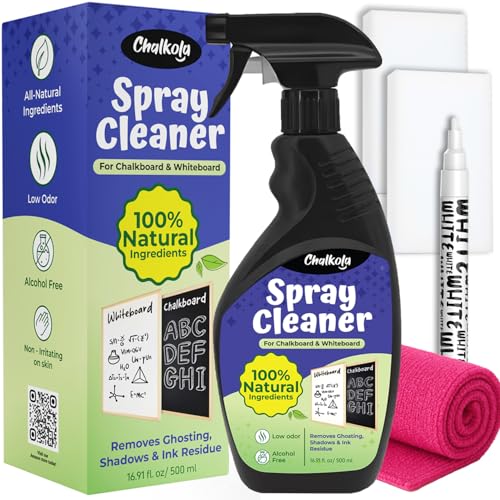
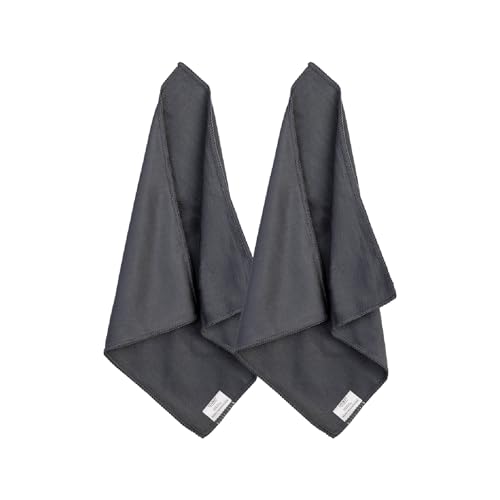
- Microfiber whiteboard cleaning cloth 12×12 inches
- Whiteboard cleaner spray 16 oz alcohol-based
- Isopropyl alcohol 70% for whiteboards
- Dry erase board eraser and cloth kit
- Lint-free microfiber wipe for dry erase marker removal

Before You Start
Clear the board and remove all items from the surface. Use eye protection if spraying cleaners on or near electronics. Work in a well-ventilated area and test a small corner of the board with cleaner to confirm compatibility. Plan about 5–15 minutes per cleaning pass, depending on stain depth.
Step-By-Step: How To Clean A Dry Erase Board
- Remove loose dust with a dry microfiber cloth, sweeping in even motions.
- Apply a small amount of whiteboard cleaner spray onto the microfiber cloth, not directly onto the board.
- Wipe the surface with firm, even strokes, focusing on areas with ghosting or stains.
- For tougher marks, dampen a lint-free wipe with isopropyl alcohol 70% and scrub gently in small circles.
- Rinse the cloth and wipe the board again to remove cleaner residue.
- Dry the surface with a clean, dry microfiber wipe to prevent smudging.
- Run a final pass with a dry eraser or cloth to lift any remaining ink particles.
- Inspect the surface in good lighting; repeat steps if ghosting persists.
- Replace the cleaning cloths when they become loaded with ink to avoid transferring residue.
- Store cleaners away from heat sources and out of reach of children or pets.
- Maintain a routine: weekly cleaning for busy boards, monthly deep cleans for heavy use.
- Consider a protective routine: wipe down after important sessions and re-condition the surface with a compatible cleaner as recommended by the manufacturer.
Troubleshooting
| Symptom | Likely Cause | Fix | Prevention |
|---|---|---|---|
| Ghosting persists after cleaning | Ink embedded in surface or heavy marker use | Repeat cleaning with isopropyl alcohol; consider a deeper clean with a dedicated cleaner | Use quality markers and wipe promptly after use |
| Fuzzy or streaky surface | Dirty cloth or over-wetting | Switch to a fresh microfiber cloth; dampen lightly | Keep cloths clean and avoid saturating the board |
| Color transfer to hands | Excess cleaner residue | Wipe surface again with a dry cloth | Use a small amount of cleaner and good ventilation |
| Persistent ink smells | Overuse of solvent | Ventilate area and switch to milder cleaner; wipe dry | Moderate cleaner quantity and regular cleaning schedule |
Common Mistakes
- Using household cleaners that contain ammonia or abrasives on whiteboards
- Over-saturating the surface with liquid cleaner
- Using colored or scented cleaners that leave residues
- Letting eraser debris build up in corners, hindering clean removal
- Skipping drying steps, which can smear ink during subsequent use
Tips For Best Results
- Choose a dedicated, alcohol-based cleaner for best performance on most whiteboards.
- Keep a spare lint-free microfiber wipe on hand for quick touch-ups.
- Store cleaning supplies away from direct sunlight to prevent chemical degradation.
- Rotate cleaning cloths to avoid reintroducing ink onto the board.
- Label sections on the board for different uses to minimize marker-overuse in a small area.
Call A Professional
Consult a professional if the board shows persistent staining, warping, or coating damage after multiple cleaning attempts. Seek assistance if you suspect surface delamination, bubbling, or if the board is installed in a commercial setting with high usage and specialized requirements.
FAQ
What cleaner is safest for a dry erase board?
Most manufacturers recommend an alcohol-based cleaner or a dedicated dry erase cleaner to avoid ghosting and residue.
Can I use isopropyl alcohol on any whiteboard?
Isopropyl alcohol 70% is generally safe for most whiteboards; test a small area first and avoid prolonged exposure on sensitive surfaces.
How often should I clean a busy whiteboard?
For high-traffic boards, a quick wipe daily and a deep clean weekly is common practice.
What should I do about ghost marks after cleaning?
Re-clean with a fresh cloth and alcohol, let the surface dry, and consider a dedicated ghosting-removal cleaner if available.
Are erasers enough to maintain a clean board?
Erasers remove ink, but regular cleaning with a cloth and cleaner maintains surface readability and reduces ghosting.
Is it okay to scrub with a sponge on stubborn stains?
A soft microfiber sponge can help, but avoid abrasive pads that might scratch the surface.
Buying Guide
When choosing cleaning tools and supplies for dry erase boards, consider size, compatibility, and usage frequency. A balanced kit typically includes a lint-free microfiber cloth, a dedicated dry erase cleaner, and a reliable isopropyl-alcohol option. For larger boards, consider a kit that includes a larger, washable microfiber cloth and an eraser cloth set. Noise level is not a concern for cleaning, but ease of use and quick-access supplies improve efficiency. Energy efficiency is not a direct factor, yet maintaining a clean board reduces the need for repeated cleaning sessions. Placement matters; store cleaners away from heat and direct sunlight, and keep a dedicated cleaning routine close to the board for quick access. Overall, aim for a compact, durable kit that covers daily maintenance and periodic deep cleans, while ensuring all components are safe for your specific board type and surface coating.