Damascus steel knives are prized for their beauty and performance, but their distinctive blades require careful care to maintain edge retention and corrosion resistance. This guide provides practical, American-market steps to clean, oil, and protect Damascus blades without risking damage.
With the right routine, you can extend the life of your Damascus knife, keep its patina appealing, and avoid common maintenance mistakes that lead to rust or dullness. The steps below balance accessibility with best practices for home cooks and hobbyists alike.
Quick Answer
Clean after use with warm, soapy water, dry thoroughly, and apply a light coat of food-grade mineral oil. Use a dedicated knife-cleaning brush for stubborn residue and a microfiber cloth to polish. For rust spots, a gentle knife rust eraser can help, followed by re-oiling. Avoid abrasive cleaners or dishwasher exposure.
What You’ll Need
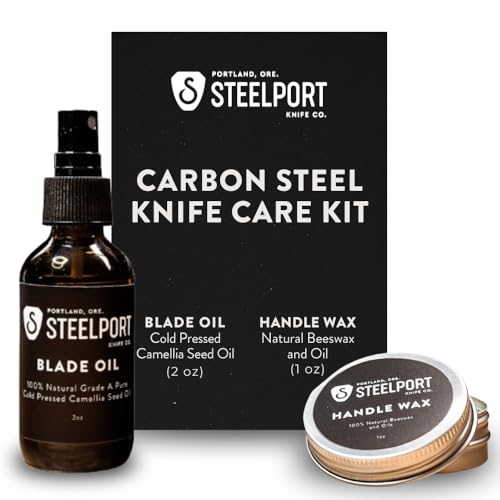
- Damascus steel knife maintenance kit
- Knife cleaning brush for Damascus blades
- Food-grade mineral oil for knife care
- Microfiber cloth for knife cleaning and polishing
- Knife rust eraser for Damascus steel


Before You Start
Prepare a clean, dry workspace and ensure hands are dry before handling the blade. Wash dishes separately to prevent nicks from metal utensils striking the knife. Never soak Damascus blades for long periods or expose them to acidic cleaners, which can affect the blade’s finish and edge. Time investment for routine cleaning is typically 5–10 minutes after each use, with deeper maintenance every few weeks depending on usage.
Step-By-Step: How To Clean A Damascus Steel Knife
- Rinse off any loose food under warm running water to loosen debris without prolonged exposure.
- Apply a small amount of mild dish soap to a knife cleaning brush for Damascus blades or a soft sponge and gently scrub the blade, focusing on the edge and factors like humps in the blade pattern.
- Rinse again with warm water and immediately dry the blade thoroughly with a microfiber cloth to prevent water spots and rust formation.
- Inspect for any corrosion or staining. If you notice surface rust spots, use a knife rust eraser for Damascus steel following the product’s instructions.
- Apply a light film of food-grade mineral oil for knife care to the blade and handle if applicable, especially after drying, to protect the metal surface.
- Wipe excess oil with a clean microfiber cloth until the blade has a thin, even sheen.
- Store the knife in a dry, secure place away from moisture. If stored in a wooden sheath, ensure it is fully dry to prevent moisture entrapment.
- Periodically, run a safety check for chips or dulling edges; if needed, consult sharpening guidelines suitable for Damascus blades.
- For routine maintenance, replace or refresh the damascus steel knife maintenance kit contents as needed to keep tools ready and effective.
- After heavy use or cutting acidic foods, repeat the cleaning and oiling steps to maintain the blade’s integrity.
- Polish the blade with a clean microfiber cloth using circular motions to restore shine without overworking the edge.
Troubleshooting
| Symptom | Likely Cause | Fix | Prevention |
|---|---|---|---|
| Water spots on blade | Immediate moisture contact after washing | Thoroughly dry, then light oil | Dry immediately; avoid air-drying |
| Rust appears on blade | Prolonged exposure or insufficient oil | Gently use a knife rust eraser, re-oil, and dry | Maintain regular oiling and proper drying |
| Discoloration on handle | Moisture contact or cleaning agents | Wipe with microfiber and lightly oil | Use only recommended cleaners; avoid harsh chemicals |
| Blade feels dull after cleaning | Improper drying or edge protection | Inspect edge; consider professional sharpening if needed | Protect edge during storage; dry completely |
Common Mistakes
- Using abrasive pads or scouring powders on Damascus patterns
- Leaving the blade wet or soaking in water
- Applying excessive oil that creates a sticky buildup
- Storing the knife in a humid environment or a closed drawer
Tips For Best Results
- Choose a dedicated cleaning brush for Damascus blades to avoid bristle contamination on the edge.
- Always wipe in the direction of the blade’s grain to minimize micro-scratches.
- Keep a small bottle of mineral oil accessible near the kitchen sink for quick maintenance after use.
- Regularly inspect the blade’s patina and enjoy the unique Damascus pattern while keeping corrosion at bay.
Call A Professional
Seek professional help if there are deep chips, severe rust that won’t respond to home remedies, or if the blade has sustained structural damage. Do not attempt to re-harden a compromised edge at home. Contact a skilled knife restorer or a reputable sharpening service for assessment and options.
FAQ
Can I put a Damascus knife in the dishwasher?
No. Dishwashers can force water into joints, cause rust, and dull the edge.
How often should I oil a Damascus blade?
Oil after each use or at least weekly during heavy use, and after cleaning to protect the blade’s finish.
What oil is safe for Damascus knives?
Food-grade mineral oil is widely recommended for non-edible storage and maintenance.
Is a rust eraser safe on Damascus blades?
Yes, when used gently and in accordance with the product’s instructions, it can remove light rust without damaging the pattern.
Buying Guide
When choosing tools and consumables for Damascus knife care, consider size and compatibility with your blade, the material quality of the knife cleaning brush for Damascus blades, and the effectiveness of the damascus steel knife maintenance kit. Look for a food-grade mineral oil that is safe for kitchen use and a microfiber cloth with good lint-free properties to avoid residue. Durability matters for rust erasers and brushes, particularly for blades with intricate patterns. Ensure items are compatible with your knife’s handle material and that the kit offers onderhoud essentials like oil, cleaner, and protection products. If the blade is part of a high-end set, verify warranty considerations and manufacturer recommendations to preserve finish and patina.
Do you want a simple, all-in-one solution to maintain Damascus steel knives, or do you prefer assembling individual tools for more control? A coordinated kit can streamline maintenance, while separate items let you tailor care to your routine. Either way, a consistent routine—clean, dry, oil, and store—will help your Damascus blade stay sharp and visually striking for years to come.