Cloth chairs add warmth and comfort to living spaces, but spills, stains, and everyday grime can dull their appearance. This guide explains a practical, step-by-step approach to restoring fabric chairs using common cleaners and simple tools. The methods work for most household fabrics, including blends and microfiber, and are designed to minimize color fading and fabric wear.
Quick Answer
For most stains, start with a fabric upholstery cleaner spray, then use an upholstery stain remover pen for spot work. For deeper cleaning, a steam cleaner can refresh fibers, followed by a microfiber cloth to lift remaining moisture. Always test a hidden area first and air-dry completely before use.
What You’ll Need
- fabric upholstery cleaner spray for chairs
- upholstery stain remover pen for fabric chairs
- steam cleaner for fabric chair upholstery
- microfiber cleaning cloths set for chair upholstery
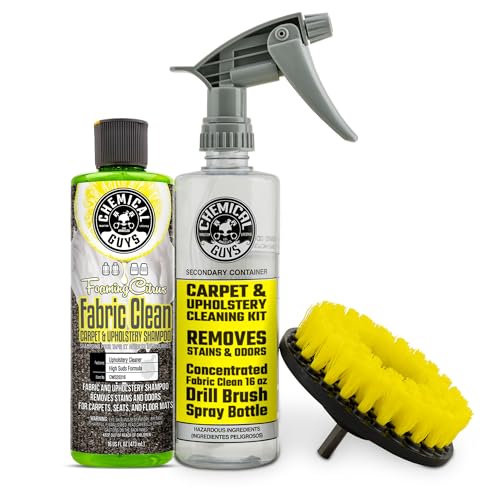
- upholstery cleaning kit for fabric chairs with brushes


Before You Start
Assess the chair fabric and cleaning instructions from the manufacturer. Perform a patch test in an inconspicuous area to check for colorfastness or fabric reactions. Work in a well-ventilated area and protect surrounding surfaces with a drop cloth or old towels. Allow sufficient time for treatment to dry; plan for several hours if using a steam cleaner. Avoid saturating fabric to prevent water spots or mold.
Step-By-Step: How To Clean Cloth Chairs
- Remove loose dirt by vacuuming the chair with a brush attachment to lift dust and crumbs from seams and cushions.
- Apply a light mist of fabric upholstery cleaner spray to a microfiber cloth and test a small area before broad application.
- Gently blot stains with the cloth, working from the outside toward the center to prevent spreading. Use the upholstery stain remover pen for set-in spots, following its instructions.
- For tough spots, use the upholstery cleaning kit for fabric chairs with brushes. Lightly scrub in circular motions, avoiding aggressive rubbing that could fray fibers.
- Optionally, run a steam cleaner over the fabric to lift embedded dirt and refresh the nap. Keep the nozzle moving to prevent saturating any one area.
- Blot away excess moisture with clean, dry microfiber towels. Press gently to absorb water without pressing stains deeper into the weave.
- Allow the chair to air-dry completely in a well-ventilated area, ideally with fan circulation. If possible, place cushions on a clean, raised surface to speed drying.
- Re-fluff and vacuum again once dry to restore the fabric’s texture and remove any remaining residue.
Troubleshooting
| Symptom | Likely Cause | Fix | Prevention |
|---|---|---|---|
| Water stains or dark patches | Over-wetting | Blot with dry towel and allow to dry completely; re-treatment may be needed with less moisture | Use minimal spray and test first; never saturate fabric |
| Stains reappearing after drying | Residual cleaner or stain trapped in fibers | Rerun spot-treatment and rinse with a damp cloth, then dry thoroughly | Follow product instructions precisely and rinse if required |
| Faded color after cleaning | Harsh cleaner or sun exposure | Switch to a milder cleaner and limit sun exposure during drying | Spot-test and dry in shade whenever possible |
| Fabric feels stiff after cleaning | Residue from cleaners | Wipe with clean water via cloth to remove residue, then air-dry | Rinse lightly if the product allows it |
Common Mistakes
- Over-wetting fabric, which can lead to mold or discoloration
- Using bleach or abrasive cleaners on colored fabrics
- Ignoring manufacturer care labels, risking fabric damage
- Rubbing stains aggressively, which can damage fibers
- Neglecting thorough drying, which invites odors
Tips For Best Results
- Always test cleaners in a hidden area before treating visible parts
- Work from the outside of a stain toward the center to prevent spreading
- Use microfiber cloths for gentle lift and quick moisture absorption
- Implement regular light cleanings to avoid heavy buildup
- Rotate cushions for even wear and cleaning exposure
Call A Professional
Consider a pro if the fabric is delicate, antique, or leather-wrapped with cloth overlays, or if stains persist after multiple attempts. Seek a professional if you notice dye transfer, excessive fading, or persistent odors that cleaning alone cannot remove.
FAQ
Can I clean microfiber chairs with household cleaners?
Yes, microfiber responds well to mild fabric cleaners and a soft brush, followed by thorough drying.
Is steam cleaning safe for all fabric chairs?
Steam can benefit many fabrics, but test first and follow manufacturer guidance to avoid shrinking or warping.
How often should I clean fabric chairs?
Light spot-cleaning weekly and a deeper clean every 3–6 months helps maintain appearance and hygiene.
What should I do about stubborn stains on upholstered chairs?
Use an upholstery stain remover pen for spots, then re-clean with a cleaner and fabric brush if needed.
Buying Guide
When choosing products for cleaning cloth chairs, consider factors such as size and portability of the cleaner, noise level during operation, energy efficiency, control options, and where cleaning gear will be stored in the home. A compact steam cleaner with adjustable heat and a range of attachments is often versatile for different fabrics. For frequent maintenance, a dedicated upholstery cleaner spray and a stain remover pen provide quick spot treatment. A microfiber cloths set ensures effective, non-abrasive lifting of dirt. An all-in-one upholstery cleaning kit with brushes simplifies routine care and spot work. Think about your chair types—sofas, dining chairs, and lounge chairs may require different brush stiffness or spray patterns. Finally, verify product compatibility with your fabric care labels to avoid unintended harm.