Dishwashers are designed to tackle daily grime, but mineral deposits, grease, and food residues can accumulate over time. Regular cleaning helps improve cleaning performance, extend appliance life, and reduce odors. This guide provides a practical, step-by-step approach using common, consumer-friendly cleaners to remove buildup effectively.
Quick Answer
Run an empty cycle with an oxygen-based dishwasher cleaner tablet or a dishwasher tub cleaning tablet, followed by a spray arm and filter check. For heavy scale, use a dishwasher descaler liquid gel and a cleaning brush to scrub the tub, filter, and jets. Regular monthly maintenance with these products keeps buildup under control.
What You’ll Need
- Oxygen-based dishwasher cleaner tablets
- Dishwasher descaler liquid gel
- Dishwasher cleaning brush for filter and jets
- Dishwasher spray arm cleaning tool
- Dishwasher tub cleaning tablets


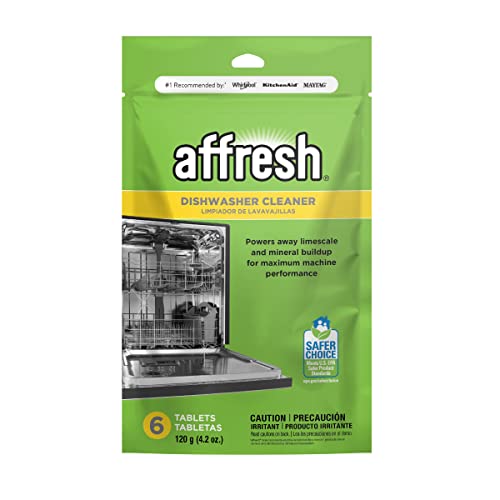
Before You Start
Safety first: unplug or switch off the dishwasher and allow it to cool if recently used. Empty all racks and remove large debris from the filter and sump area. Use a well-ventilated space and follow product label instructions closely. Time estimates vary by method, but plan for 45–90 minutes for a thorough cleaning, depending on buildup severity. Avoid mixing cleaners or using vinegar too frequently with metal components, which can damage seals over time.
Step-By-Step: How To Clean Build Up In Your Dishwasher
- Run a pre-rinse or quick cycle to loosen loose debris, then open and inspect the filter tray.
- Remove the filter and rinse it under warm water. Use the dishwasher cleaning brush for filter and jets to scrub away trapped particles.
- Apply the dishwasher tub cleaning tablets to the bottom of the tub if the tablet type requires it, or place a tablet in the detergent cup as directed.
- Place an oxygen-based dishwasher cleaner tablet in the detergent dispenser or directly in the tub and run a hot cycle without dishes.
- If mineral scale is visible on spray arms, use the dishwasher spray arm cleaning tool to remove stagnated buildup and ensure jets spray freely.
- For stubborn scale near the sump, apply the dishwasher descaler liquid gel along the interior walls as directed, then run another hot cycle to rinse away residue.
- After the cycle, inspect spray arms, filter, and tub for any remaining residue. If needed, repeat the appropriate steps on heavy buildup areas.
- Restore the racks and run a quick rinse cycle with no detergent to ensure all cleaner residues are flushed out.
- Finally, wipe door seals and the tub rim with a damp cloth to remove any remaining film and odors.
- Schedule routine monthly cleanings and, for hard water areas, consider a quarterly descaling routine to prevent mineral buildup.
- Store cleaning products in a cool, dry place away from children and pets when not in use.
Troubleshooting
| Symptom | Likely Cause | Fix | Prevention |
|---|---|---|---|
| Visible white crust inside tub | Mineral buildup | Use dishwasher descaler liquid gel per label and run hot cycle | Descale every 1–3 months in hard water areas |
| Dishes come out wet or spots remain | Spray arms clogged or filter dirty | Clean spray arms with tool; clean or replace filter | Regular cleaning schedule; use rinse aid if recommended |
| Unpleasant odor | Food debris trapped in filter/tilter or seals | Thorough cleaning of tub, seal, and filter; run cleaning cycle | Scrape plates before loading; keep door slightly ajar after cycles in humid spaces |
| Cycle not completing | Blockages in spray arms or drain | Inspect and clean spray arms; check drain hose for kinks | Annual maintenance check |
Common Mistakes
- Using vinegar or acidic cleaners too frequently, which can corrode metal components.
- Overloading the dishwasher, which restricts water flow and prevents effective cleaning.
- Skipping the filter and spray arm checks, leading to recurrent buildup.
- Failing to follow product instructions, especially regarding placement of tablets and cycles.
Following the recommended steps helps maintain efficiency and prevent recurring issues.
Tips For Best Results
- Run an empty hot cycle with an oxygen-based cleaner every 1–2 months, or as needed based on usage and water hardness.
- Check hard water areas for mineral buildup and adjust descaling frequency accordingly.
- Use a rinse aid if your dishwasher model supports it to improve drying and reduce spots.
- Clean the door seals with a damp cloth to prevent trapped debris and odors.
- Keep the detergent dispenser clean and free from residue to ensure proper dosing during cleaning cycles.
Call A Professional
Seek professional help if the dishwasher shows persistent odors after cleaning, water leaks, unusual noises during cycles, or if visible hardware damage is suspected. In such cases, a licensed appliance technician can diagnose seal wear, pump failures, or wiring concerns that cleaning alone cannot resolve.
FAQ
How often should I clean my dishwasher?
With regular use, clean monthly or bi-monthly using oxygen-based cleaner tablets to prevent buildup and odors.
Can I use vinegar to descale my dishwasher?
Vinegar is not recommended on a frequent basis as it can degrade seals and gaskets over time.
What’s the best way to clean the spray arms?
Remove spray arms if possible and use the dishwasher spray arm cleaning tool to clear blocked jets.
Why is there white residue on dishes after cleaning?
This often indicates mineral buildup or improper rinse aid usage; perform a descaling cycle and check rinse aid settings.
Is it safe to run a cleaning cycle with dishes inside?
Most products recommend empty cycles for effective cleaning; check the product label for specific guidance.
Should I replace filters regularly?
Inspect filters during cleaning; replace if worn or damaged to maintain optimal filtration.
What if cleaning doesn’t fix the odor?
Investigate seals, door gasket integrity, and drainage lines; professional assessment may be needed for persistent odors.
Buying Guide
When choosing dishwasher cleaners and tools, consider several factors to ensure effective maintenance and value:
- Size and compatibility: Check whether tablets fit your detergent cup and if cleaning gels suit your model’s instructions.
- Effectiveness: Oxygen-based cleaners are widely effective for mineral buildup and grease without harsh chemicals.
- Descaling power: A descaler liquid gel helps tackle hard water scale accumulated on tub walls and jets.
- Tools for upkeep: A dedicated cleaning brush for filter and jets and a spray arm cleaning tool simplify routine maintenance.
- Ease of use: Pre-packaged cleaning tablets streamline the process and reduce measurement errors.
- Safety: Follow label directions, keep products out of reach of children, and avoid mixing products.
- Frequency: Align descaling and cleaning cadence with water hardness and dishwasher usage patterns.
- Placement and storage: Store cleaners in a cool, dry place away from heat and moisture to preserve effectiveness.
For most households, a combination of an oxygen-based dishwasher cleaner tablet, a tub cleaning tablet, a dishwasher descaler liquid gel, and targeted brushes/tools provides a balanced, effective maintenance routine. Consider your water hardness, usage frequency, and the dishwasher model when selecting products. Is your current maintenance schedule keeping mineral buildup at bay, or is a more proactive approach needed?