Cleaning curtains is a simple household maintenance task that can improve indoor air quality and brighten a room. With the right approach, most fabrics can be refreshed without removing them from the rod. This guide outlines practical methods and the best tools to use for effective curtain cleaning across common fabric types.
Whether you’re dealing with dust, pet hair, stains, or mildew, this article provides clear steps, safety notes, and product recommendations to help American households maintain clean, fresh curtains with confidence.
Quick Answer
Best all-around approach: Start with a gentle vacuum and fabric brush attachment, then use a handheld fabric steamer for refreshing, followed by a lint roller for stubborn particles. For deeply soiled curtains, a portable steam cleaner can tackle embedded grime without removing the fabric.
What You’ll Need
Gather tools that cover routine maintenance and deeper cleaning. The list references commonly available curtain-specific tools to ensure compatibility with most window treatments.
- Handheld fabric steamer for curtains
- Portable steam cleaner for curtains
- Vacuum with upholstery tool for curtains
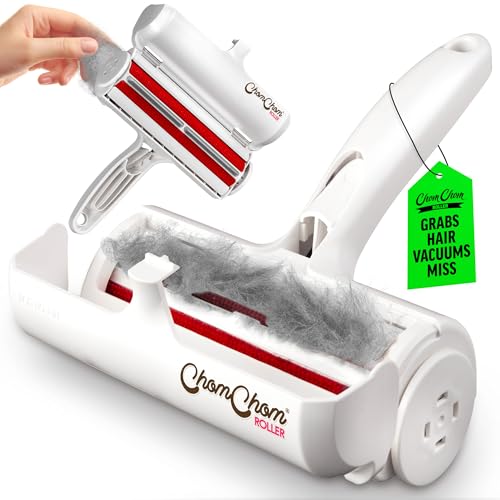
- Lint roller for curtains
- Curtain cleaning kit with fabric brush and vacuum attachment


Before You Start
Prepare a clean workspace and protect surrounding surfaces. Brush or vacuum the curtains to remove loose dust before any steam or wet cleaning. Test a hidden fabric area first to ensure there is no color bleed or fiber damage. Allow ample drying time if you use moisture or steam, especially on lightweight fabrics.
Safety notes: keep steam devices away from cords and window frames to avoid burns. Do not use high heat on delicate materials such as sheer or silk. If curtains are heavily soiled with mold or mildew, consider professional cleaning or replacement for health reasons.
Step-By-Step: How To Clean Curtains
- Remove light dust with a vacuum using the upholstery tool, working from the top down to minimize particles falling onto already cleaned areas.
- Gently blot any spots with a damp microfiber cloth, testing first on a hidden edge to confirm colorfastness.
- Use a lint roller for curtains to pick up surface pet hair, lint, and loose fibers from both front and back sides.
- For medium cleaning, run a handheld fabric steamer for curtains along the fabric, holding the steam head a few inches away to relax fibers without saturating the material.
- Refresh heavier fabrics with a portable steam cleaner for curtains, using slow, even passes to avoid over-wetting seams and lining.
- Brush the fabric with a curtain cleaning kit with fabric brush and vacuum attachment to lift nap and distribute cleaning agents or moisture evenly.
- Allow curtains to air dry completely before rehanging. Open windows or use a fan to speed the drying process and prevent mildew growth.
- For persistent stains on washable fabrics, consider a mild detergent solution tested on a hidden area, then rinse with a clean damp cloth and dry completely.
Troubleshooting
| Symptom | Likely Cause | Fix | Prevention |
|---|---|---|---|
| Fabric still wrinkled after steaming | Heavy drape or thick fabric | Apply steam gradually, pause to relax fibers, repeat | Choose a lower heat setting and test on a hidden area |
| Color bleeding after cleaning | Unstable dye or sensitive fabric | Stop cleaning and patch-test; use colder steam only | Always test first; wash in accordance with care label |
| Patches of moisture on lining | Over-wetting from steam | Keep steam head at a distance; dry quickly with a fan | Limit moisture exposure and allow full drying time |
| Persistent odors | Mildew or smoke exposure | Use a mild cleaning solution and ensure thorough drying | Improve ventilation during and after cleaning |
Common Mistakes
- Over-wetting delicate fabrics, which can cause shrinkage or mold
- Using too high heat on synthetic blends that pose a heat-damage risk
- Skipping a patch test, leading to color bleed or texture changes
- Cleaning while curtains are hanging, which can stretch fabric and affect shape
Following the correct sequence and selecting the right tools reduces the risk of damage and yields better results.
Tips For Best Results
- Perform routine maintenance: vacuum weekly during heavy-use seasons to prevent buildup.
- Rotate cleaning tasks by fabric type to avoid repeated stress on one area.
- Store spare cleaning supplies in a cool, dry place, ready for quick refreshes between washes.
- When in doubt, check the care label for washing and drying instructions specific to the curtain material.
- Combine methods: light vacuuming, spot treating, and light steaming for a balanced approach.
Call A Professional
Consult a professional if curtains are heavily stained with oils, smoke residues, or mold that has penetrated deep into the fabric. Seek expert help for antique or silk drapes where improper cleaning can cause irreversible damage. Stop cleaning and contact a pro if you notice color bleed that affects the overall appearance of the fabric, or if the curtain construction is compromised during handling.
FAQ
Can I wash curtains in a washing machine?
Many cotton, polyester, and blends are machine-washable, but always follow the care label. Delicate, silk, or lined curtains may require hand washing or dry cleaning.
How often should curtains be cleaned?
Dust and allergens tend to accumulate quickly. Clean lightweight curtains every 1–3 months and heavier, dark-colored fabrics every 3–6 months, depending on exposure and household traffic.
Is a steam cleaner safe for all curtains?
Steam can be safe for many fabrics but test first on a hidden area and avoid heat-sensitive materials. Always follow the manufacturer’s instructions for any device you use.
What’s the best way to remove odors from curtains?
Air them out after cleaning, use a fabric brush to lift fibers, and consider a gentle deodorizing spray appropriate for the fabric type if allowed by care labels.
Should I clean curtains while they’re hanging?
For light cleaning, hanging cleaning can work, but for thorough care especially on heavy fabrics, remove curtains and launder or steam on a clean surface to prevent stretching.
Buying Guide
When choosing tools to clean curtains, consider size, ease of use, and compatibility with your fabric type. Here are key buying factors to guide decisions:
- Size and fabric compatibility: Lightweight sheers, medium-weight cotton blends, and heavy drapes require different approaches. A versatile handheld steamer and a compact vacuum with upholstery tool cover most scenarios.
- Noise level: Quiet models reduce disruption in shared living spaces, especially during daytime cleaning.
- Energy efficiency: Electric steamers and portable cleaners with efficient heat cycles conserve energy during routine refreshes.
- Controls and safety features: Look for adjustable steam settings, thermal cutoffs, and clear fabric-care indicators on the device.
- Placement and storage: Compact, ready-to-grab tools fit under sinks or in linen closets for quick access between cleaning tasks.
- Multi-function capability: A curtain cleaning kit with fabric brush and vacuum attachment can replace single-purpose tools and streamline tasks.
- Maintenance and durability: Reputable brands and readily available replacement parts ensure long-term reliability for regular curtain upkeep.
By evaluating these factors, homeowners can select a practical toolkit that fits their cleaning routine, fabric types, and space constraints. The goal is an efficient, safe approach that keeps curtains fresh without heavy labor or risky methods.