Maintaining clean cubicle walls helps create a fresher, more professional workspace. This guide covers simple, effective methods using common office cleaning tools to remove stains, fingerprints, and grime from various wall surfaces found in typical office environments.
Quick Answer
Best first steps: wipe with a microfiber cloth, use a melamine sponge for stubborn marks, and finish with a disinfectant spray to sanitize surfaces. For high or wide panels, employ an extendable cleaning brush to reach every area while reducing overhead ladders or stools.
What You’ll Need
Gather these tools and supplies before you start. They cover common wall materials used in cubicles and keep cleanup efficient without causing damage.
- Microfiber cloths for fabric cubicle wall panels
- Soft bristle scrub brush for office cubicle partitions
- Melamine sponge magic eraser for cubicle walls
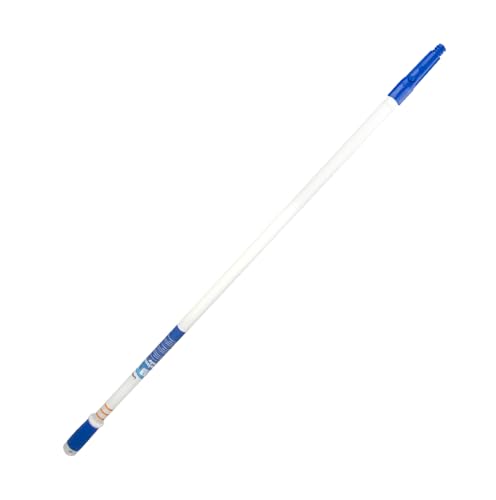
- Extendable telescoping cleaning brush for office partitions
- Disinfectant spray for office cubicle walls

Before You Start
Before cleaning, clear the area of loose items and gently dust surfaces to prevent pushing dirt into fibers. Test cleaners on a small, inconspicuous spot of the wall to ensure colorfastness or material compatibility. Work from top to bottom to prevent dirty runoff from staining lower sections. Time estimate: 20–40 minutes for a typical workstation. Important safety notes include wearing gloves if you have sensitive skin and ensuring good ventilation when using disinfectants.
Step-By-Step: How To Clean Cubicle Walls
- Prepare the surface by lightly dusting with a dry microfiber cloth to remove loose debris.
- Dampen a microfiber cloth with water or a mild, non-abrasive cleaner suitable for wall surfaces, then wipe the wall in broad, even strokes from top to bottom.
- For marks or smudges on painted panels, apply a small amount of cleaner to a melamine sponge magic eraser and gently rub the spot. Wipe away residue with a clean microfiber cloth.
- Use a soft bristle scrub brush for office cubicle partitions on textured surfaces or stubborn grime, applying light pressure in a circular motion.
- For hard-to-reach areas, extend your reach with the extendable telescoping cleaning brush and work from top edges inward to prevent drips.
- Rinse or wipe away cleaner residues with a clean, damp microfiber cloth, ensuring no cleaning solution remains on surfaces that could attract more dirt.
- Apply a light coat of disinfectant spray for office cubicle walls to sanitize touched areas. Let the product dry completely before reusing the space.
- For fabric or upholstered panel sections, test a small area with the microfiber cloth dampened lightly to avoid oversaturation; blot rather than rub vigorously.
- Repeat the process for all wall sections, focusing on frequently touched zones such as near keyboards, chair arms, and door corners.
- Empty, rinse, and wring cloths regularly to avoid spreading grime. Change cleaning tools if they become heavily soiled.
- Inspect for remaining streaks or residue and spot-clean as needed. Final wipe with a dry microfiber cloth helps restore a clean finish.
Troubleshooting
| Symptom | Likely Cause | Fix | Prevention |
|---|---|---|---|
| Streaks after cleaning | Residual cleaner or water | Wipe again with a dry microfiber cloth; ensure surfaces are well wrung out | Use minimal cleaner and fresh microfiber cloths |
| Fading color or water marks | Harsh cleaner or over-wetting | Switch to a milder cleaner; blot excess liquid promptly | Spot test cleaners first |
| Scratches on glossy panels | Abrasive rubbing | Switch to softer cloths and gentler motions | Avoid abrasive pads |
| Persistent odor | Residual cleaning product | Ventilate area; wipe with a clean, damp cloth to remove residue | Use fragrance-free cleaners if sensitivity exists |
Common Mistakes
- Using harsh chemicals on delicate surfaces; this can cause discoloration or damage.
- Over-wetting fabric panels, which may lead to swelling or mold growth.
- Rubbing aggressively on textured panels, which can leave micro-scratches.
- Neglecting to test cleaners on a hidden area before full application.
Tips For Best Results
- Clean from top to bottom to prevent dirty runoff from re-staining panels.
- Keep a dedicated microfiber cloth for each task to avoid cross-contamination between surfaces.
- Rotate cleaning tools to prevent excessive wear on brushes and sponges.
- Schedule regular touch-ups—weekly or biweekly—before grime becomes hard to remove.
- For high-traffic offices, consider more frequent disinfection, especially during flu season or outbreaks.
Call A Professional
Seek professional help if walls show extensive staining, damage, or persistent odors that cleaning cannot resolve. Stop signs include peeling paint, water damage, mold growth, or painted surfaces that noticeably fade after cleaning. If you’re unsure about material compatibility or cleaning products, contact a janitorial service or building maintenance team for guidance.
FAQ
Can I use plain water to clean cubicle walls?
Yes for light cleaning, but a mild cleaner is more effective for fingerprints and smudges on most surfaces.
Are microfiber cloths necessary?
Microfiber is highly effective at picking up dust and grime without scratching surfaces.
What should I do about persistent stains?
Try a melamine sponge eraser gently, then follow with a damp microfiber cloth and, if needed, a mild cleaner.
Is disinfectant safe for fabric panels?
Yes, when labeled safe for fabric and used as directed, but always test first on a hidden area.
How often should cubicle walls be cleaned?
High-traffic areas: weekly; moderate use: biweekly; low-traffic spaces: monthly, with spot cleaning as needed.
Buying Guide
When selecting cleaning tools for cubicle walls, consider size, noise level, energy efficiency, controls, and placement. For most offices, a combination of microfiber cloths, soft brushes, and a reachable extendable cleaning tool provides flexibility for various panel types. Look for lint-free cloths and non-abrasive sponges to protect finishes. If walls include fabric panels, ensure cleaners are safe for textiles and do not oversaturate surfaces. Storage should keep tools accessible near workstations while minimizing clutter. Finally, choose disinfectants with clear labeling for surface compatibility and environmental safety. Would you benefit from a compact kit for quick daily touch-ups or a deeper weekly cleaning setup? The right mix depends on your space, traffic, and maintenance goals.