Dog rope toys are popular for chewing and playing fetch, but they can collect dirt, saliva, and bacteria quickly. Regular cleaning helps extend their life and keeps your pet healthy. This guide outlines practical steps for cleaning rope toys using common household items and pet-safe cleaners.
Quick Answer
For most rope toys, rinse to remove loose debris, soak in a mild, pet-safe detergent, scrub with a stiff-bristled brush, rinse thoroughly, and air dry. For heavy soiling, machine washing in a washing bag with a gentle cycle works well, followed by air drying. Always check the toy for wear and replace when frayed.
What You’ll Need
- Dog toy cleaning brush with stiff bristles
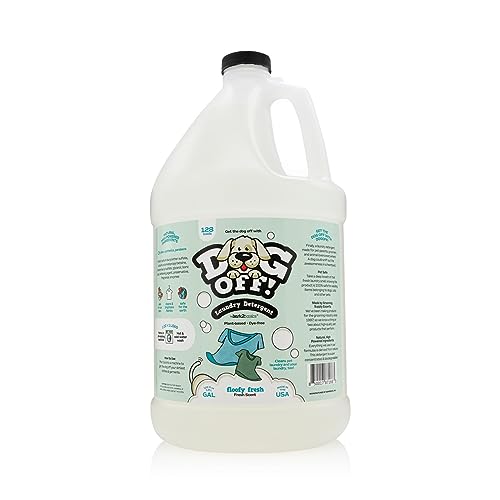
- Pet-safe detergent for dog toys
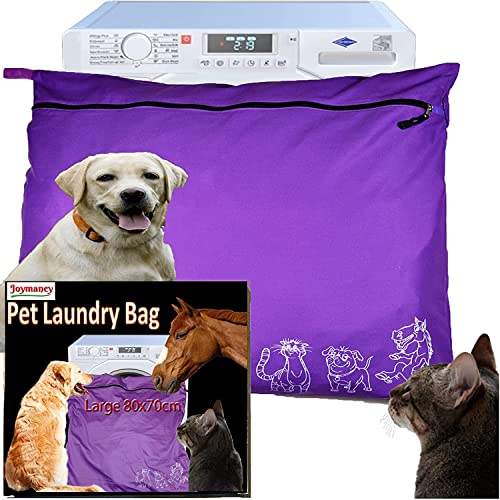
- Washing bag for dog toys in washing machine
- Enzyme cleaner for pet toys
- Microfiber cleaning cloth for dog toys

Before You Start
Inspect the rope toy for signs of damage, such as unraveling strands or frayed ends. Damaged toys can pose a choking risk and should be retired. Use a gentle approach on delicate knots and avoid aggressive scrubbing on aged rope fibers, which can cause internal fraying. Allow ample time for drying to prevent mold growth, especially in humid climates.
Safety notes: never use strong household cleaners with harsh chemicals around pets, and rinse thoroughly to remove all soap residues. If your dog has allergies or sensitive skin, consider fragrance-free detergents and ensure complete rinsing. Expect cleaning to take 20–40 minutes depending on soil level, with additional drying time.
Step-By-Step: How To Clean Dog Rope Toys
- Pre-rinse the toy under warm running water to remove loose dirt and saliva. This reduces grime before scrubbing.
- Mix a mild, pet-safe detergent according to the product directions. Avoid concentrates or harsh cleaners.
- Submerge the rope toy in the cleaning solution. Let it soak for 5–10 minutes to loosen embedded debris.
- Use a dog toy cleaning brush with stiff bristles to scrub the toy, paying attention to knots and woven areas where dirt collects.
- Rinse thoroughly with clean water until no soap residue remains. Hold the toy under running water and squeeze to release trapped suds.
- For tough stains or odors, spray or dab enzyme cleaner for pet toys on the affected areas and let it sit for the recommended dwell time before rinsing again.
- Optionally, place the rope toy in a washing bag and run a gentle cycle in the washing machine on cold water. Use a mild detergent and a low-heat or air-dry setting.
- Air dry completely in a well-ventilated area away from direct sunlight. Ensure all strands are fully dry before giving the toy back to your dog.
- Inspect the toy after drying for any signs of wear. Discard if fibers are frayed or there are loose pieces that could be swallowed.
- Store clean toys in a dry spot to prevent mildew. Regular cleaning, especially after outdoor play, helps maintain hygiene.
Troubleshooting
| Symptom | Likely Cause | Fix | Prevention |
|---|---|---|---|
| Persistent odor after cleaning | Residual bacteria or deep set stains | Reclean with an enzyme cleaner and rinse thoroughly | Clean promptly after use; rinse excess saliva |
| Color fading on rope fibers | Harsh detergent or overexposure to sunlight | Switch to a milder detergent; air dry away from direct sun | Use pet-safe detergents; keep toys out of prolonged sun |
| Frayed ends after washing | Worn rope fibers | retire toy; avoid aggressive scrubbing on worn areas | Inspect regularly; rotate toys to reduce wear |
| Soap residue after rinse | Insufficient rinsing or concentrated detergent | Rinse longer; repeat wash cycle if needed | Use recommended amounts; rinse until suds disappear |
Common Mistakes
- Using strong cleansers like bleach or ammonia on rope toys
- Skipping thorough rinsing, leaving soap behind
- Over-soaking delicate knots that can loosen fibers
- Using hot water which can degrade natural fibers
- Waiting too long to clean after heavy soil exposure
Following best practices helps extend toy life and supports pet health. If a toy shows significant wear, it is safer to replace it rather than continue using a compromised toy.
Tips For Best Results
- Test cleaners on a small, inconspicuous area before full cleaning to avoid color bleeding or fiber damage.
- Use a dedicated washing bag to protect the toy and prevent lint from entering the washing machine drain.
- For odor control, a quick spray of enzyme cleaner after each use can reduce lingering smells without harsh chemicals.
- Air drying in a sunlit but shaded area helps prevent mold while preserving color and fabric integrity.
- Rotate multiple rope toys to reduce wear and ensure consistent hygiene across toys.
Call A Professional
Seek professional help if a toy sustains structural damage such as torn fibers or exposed internal cords. If a dog chews aggressively and shows signs of choking on splinters, stop using the toy immediately and consult a veterinarian. Persistent skin irritation after play with a rope toy may indicate sensitivity to cleaners or bacteria and warrants professional guidance.
FAQ
How often should I clean dog rope toys?
Clean rope toys after heavy play or when visible dirt and saliva accumulate; more frequent cleaning is recommended for dogs that play outdoors or with multiple dogs.
Can I put rope toys in the washing machine?
Yes, use a washing bag for protection and choose a gentle cycle with cold water and a mild detergent.
What cleaners are safe for dog rope toys?
Pet-safe detergents and enzyme cleaners formulated for pet toys are typically safe when used as directed and thoroughly rinsed off.
When should I replace a rope toy?
Replace if fibers are frayed, knots are loosened, or there are exposed inner materials that could be swallowed.
Is boiling water safe for rope toys?
Avoid boiling or high-heat methods on rope toys, as heat can damage fibers; stick to lukewarm water and air drying.
Will enzyme cleaners harm my dog?
Enzyme cleaners designed for pet products are generally safe when used as directed and thoroughly rinsed.
Should I dry toys in a dryer?
Air drying is preferred; if using a dryer, choose a low-heat setting and ensure the toy is completely dry to prevent mold.
Buying Guide
Choosing the right rope toy and cleaning regimen involves considering size, material, and durability as well as how easy it is to clean. This guide helps evaluate key buying factors to ensure safe, clean play for dogs of all sizes.
Size and chew strength
Select a rope toy that fits comfortably in your dog’s mouth and is appropriate for their chewing style. Larger dogs require sturdier, thicker ropes, while small breeds benefit from slender, more flexible cords.
Material and construction
Rope toys should be tightly braided and free of loose fibers. Natural fibers can be strong but may fray more quickly; synthetic fibers can resist wear and wash well. Check the stitching around knots for durability.
Cleaning compatibility
Consider how easily the toy cleans: are there tight knots that trap grime, and can the toy withstand soaking and machine washing? Favor toys that work well with pet-safe detergents and enzyme cleaners.
Noise, odor, and wash frequency
Some rope toys retain odors more than others. If your dog is prone to strong smells, look for materials that respond well to enzyme cleaners. Plan cleaning frequency based on play intensity and outdoor exposure.
Safety and placement
Place toys in a clean, dry area after washing to prevent mold. Avoid aggressive toys for puppies or dogs that tend to swallow loose fibers. Regular inspections help maintain safe play environments.