Cleaning couch cushions that have non-removable fabric covers can be challenging, but it’s achievable with careful technique. This guide outlines practical steps, safe products, and best practices to refresh fabric cushions without taking apart the pillows.
Readers will find a clear, step-by-step process, common-sense safety notes, and troubleshooting tips to handle stains, odors, and general soil without damaging the upholstery.
Quick Answer
For cushions with non-removable covers, use a handheld upholstery steam cleaner for fabric sofas to lift dirt and odors gently, followed by a fabric protector spray for future stains. Start with light cleaning, test a hidden area, and avoid over-wetting the fabric.
What You’ll Need
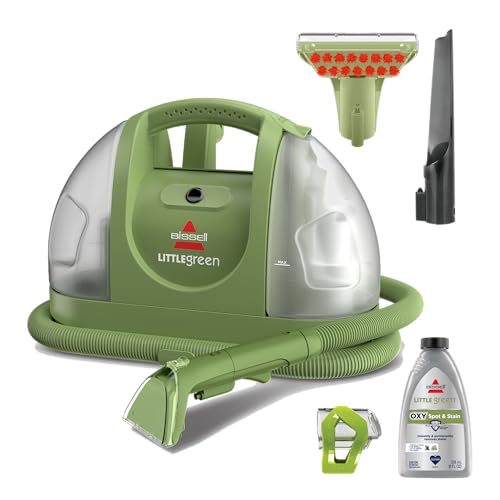
- Handheld upholstery steam cleaner for fabric sofas
- Sofa fabric stain remover spray for non-removable cushion covers
- Upholstery cleaning solution for couches without removable covers
- Upholstery cleaning attachment for vacuum for sofa cushions
- Fabric protector spray for couches to prevent stains


Before You Start
Before cleaning, remove nearby items and protect surrounding surfaces with a drop cloth. Test each product on a hidden area of the cushion first to ensure no discoloration or water spotting. Work in a well-ventilated area and allow cushions to dry completely before use. Time estimates vary, typically 30–90 minutes per cushion depending on soil level and drying conditions. Never soak the fabric—over-wetting can cause mildew and color bleed.
Step-By-Step: How To Clean Couch Pillows Without Removable Covers
- Inspect the cushion to identify stains, odors, and soil intensity, noting any fragile areas.
- Lightly vacuum the surface using the upholstery attachment to remove loose dust and debris.
- Apply a fabric stain remover spray to any visible stains, following the product directions and test area guidelines.
- Gently mist a small amount of upholstery cleaning solution onto the fabric in a circular motion, avoiding pooling.
- Use the handheld upholstery steam cleaner over the fabric to lift dirt and refresh fibers, working in sections.
- Blot excess moisture with a clean, dry cloth to keep the fabric from over-wetting and to accelerate drying.
- Repeat treatment on stubborn stains, ensuring you do not saturate the cushion with cleaning fluids.
- Let the cushions dry in a well-ventilated area, flipping or rotating as needed to promote even drying.
- Once dry, apply a fabric protector spray to help repel future stains and ease future cleaning.
- Reassess the cushion after drying; repeat light cleaning if residual soiling remains.
- Vacuum again once fully dry to lift any loosened fibers and restore texture.
- If odors persist, consider a fabric deodorizer spray or repeating the cleaning cycle with a focus on odor removal fibers.
Troubleshooting
| Symptom | Likely Cause | Fix | Prevention |
|---|---|---|---|
| Stains reappear after drying | Stain was not fully removed | Spot-clean and reapply stain remover; repeat steam cleaning | Treat stains promptly |
| Fabric bleeds color | Test area negative; colorfastness compromised | Stop and avoid further liquid; seek professional cleaning | Test patches before full treatment |
| Strong odor remains | Moisture trapped or deep-seated odor | Spray fabric freshener lightly after complete drying | Improve ventilation during drying |
| Water spotting or halos | Uneven drying or over-wetting | Blot with towels and slow-dry with fans | Wipe with minimal moisture |
Common Mistakes
- Over-wetting cushions, which can lead to mold and mildew.
- Using overly harsh cleaners that damage delicate fabric.
- Rubbing stains aggressively, which can spread soil and fray fibers.
- Skipping a test patch, risking color bleeding or fabric damage.
- Not allowing full drying before use, causing persistent moisture and odor.
Tips For Best Results
- Always test a hidden area before applying cleaners to the entire cushion.
- Work in small sections to control moisture and avoid pooling.
- Use a vacuum attachment to remove loosened dirt after steam cleaning.
- Apply fabric protector spray after cleaning and drying to help repel future stains.
- Schedule regular light cleanings to maintain cushion fabric between deep cleanings.
Call A Professional
Consult a pro if stains are deeply embedded, if there is significant color loss, or if the cushions exhibit persistent odors after multiple cleaning attempts. Seek help promptly for any signs of dye transfer, fabric thinning, or mildew growth that cannot be addressed with consumer products.
FAQ
Can I clean non-removable cushion covers with a regular home vacuum?
Yes, a vacuum with an upholstery attachment helps remove loose dirt before cleaning.
Is steam cleaning safe for all sofa fabrics?
Most fabrics respond well, but test a hidden area first and follow fabric care guidelines.
How long does drying take after cleaning non-removable cushions?
Drying typically ranges from 30 minutes to a few hours, depending on humidity and airflow.
Will fabric protector sprays ruin the couch texture?
When used as directed, fabric protector sprays can help prevent stains without altering texture.
What should I do about persistent odors?
Repeated gentle cleaning and improved ventilation usually help; for stubborn odors, consider a deodorizing fabric spray after thorough drying.
Buying Guide
When choosing products to clean cushions with non-removable covers, consider these factors:
- Size and compatibility: Ensure handheld steam cleaners and spray bottles fit your cushions and reach seams without over-wetting.
- Noise level: Quiet operation is important for living spaces; look for models rated for low noise.
- Cleaning power vs. safety: Select solutions designed for upholstery that are effective yet fabric-safe.
- Controls and ease of use: Simple spray patterns, adjustable steam, and clear instructions help prevent over-wetting.
- Drying time and airflow: Consider products that minimize moisture and promote fast drying, such as low-moisture steam or fans.
- Placement in the home: Portable devices are convenient for couches in living rooms or apartments with limited space.
- Longevity and maintenance: Look for durable cleaners and attachments that withstand frequent use without degrading fabric.
In practice, combining a handheld upholstery steam cleaner for fabric sofas with a sofa fabric stain remover spray for non-removable cushion covers offers a balanced approach to deep cleaning and stain control. Users should follow product directions, test patches, and pace cleaning sessions to protect the cushion fabric and maintain comfort over time.