Cleaning couch fabric helps extend the life of upholstery and keeps living spaces looking fresh. This guide covers practical, store-friendly methods and tools that work on most fabric sofas without professional equipment.
By following safe techniques and using the right supplies, homeowners can remove stains, refresh fibers, and protect their investment over time.
Quick Answer
For everyday cleaning, start with a gentle vacuum and spot treatment using a fabric couch stain remover spray for upholstery. For deeper refreshment, use a upholstery steam cleaner for fabric sofa or an upholstery cleaner machine for fabric sofa, followed by a protective spray to guard against future spills.
What You’ll Need
- Vacuum with upholstery attachment
- Fabric couch stain remover spray for upholstery
- Upholstery steam cleaner for fabric sofa or upholstery cleaner machine for fabric sofa
- Soft brushes and microfiber cloths
- Sofa fabric protector spray for upholstery
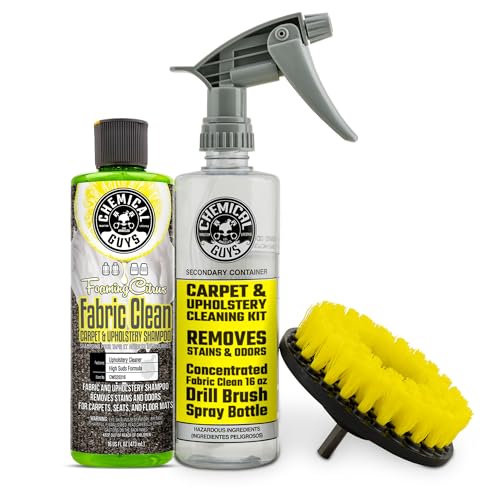
- Couch fabric cleaning kit with brushes and microfiber pad


Before You Start
Check the fabric care label for guidance, and test any cleaner on a hidden area first. Do not saturate fabrics or use hot water on delicate materials. Work in a well-ventilated area and allow the sofa to dry completely between treatments. Estimate total cleaning time can range from 60 to 180 minutes depending on stain severity and fabric type.
Step-By-Step: How To Clean Couch Fabric
- Vacuum the sofa thoroughly to remove loose dust and debris using the upholstery attachment.
- Identify stains and gently blot (don’t rub) with a microfiber cloth to lift surface grime.
- Prepare a mild cleaning solution per label instructions, or use the fabric couch stain remover spray for upholstery for spot cleaning.
- For deeper cleaning, run a upholstery steam cleaner for fabric sofa over small sections, following the manufacturer’s guidelines.
- Work in sections, moving from one area to another to avoid uneven drying or water rings.
- Rinse or wipe with a clean, damp cloth to remove any cleaning residue and blot dry with towels.
- Allow the sofa to air dry completely. Use fans or open windows to speed drying if needed.
- After drying, brush the fabric with a soft brush to restore nap and texture.
- Apply a sofa fabric protector spray for upholstery to shield against future spills once the fabric is dry.
- Clean the cleaning tools and store them properly for next time.
- Reassess the fabric after drying; repeat steps for stubborn stains if necessary.
Troubleshooting
| Symptom | Likely Cause | Fix | Prevention |
|---|---|---|---|
| Stains remain after cleaning | Stain is set or dye transfer | Spot treat with a stain-specific spray or repeat light cleaning | Address spills quickly; use protector after cleaning |
| Fabric feels stiff after cleaning | Residue from cleaner | Rinse with damp cloth and blot thoroughly | Test cleaners; use minimal solution |
| Water rings or color bleed on light fabric | Over-wetting | Dry thoroughly; use minimal moisture; use a steam cleaner cautiously | Follow dilution and drying guidelines |
| Fabrics pilling or rough texture | Harsh solvents or over-cleaning | Switch to milder products; gently brush | Gentle approach; less frequent deep cleans |
Common Mistakes
- Using hot water or harsh solvents on delicate fabrics
- Rubbing stains vigorously, which can push dye deeper
- Over-wetting the upholstery, leading to mold or odors
- Skipping a patch test on the fabric
- Ignoring the care label and guidelines
Tips For Best Results
- Always start with the cleanest method: vacuum, then spot clean
- Work in small, manageable sections to ensure even cleaning and drying
- Use a couch fabric cleaning kit with brushes and microfiber pad for gentle agitation
- After cleaning, apply sofa fabric protector spray for upholstery to prolong freshness
- Keep spills from drying by blotting immediately with a clean cloth
Call A Professional
Call a professional if stains are dye-transfer, if you notice persistent odors, or if the fabric label warns against home cleaning. Seek help for large areas, older stains, or delicate materials like silk blends. If you notice shrinking, color loss, or fabric distortion after cleaning, stop and consult an expert.
FAQ
Is it safe to use a steam cleaner on all fabrics?
Steam can be effective on many fabrics, but always check the care label and test on a hidden area first.
How often should I deep-clean fabric upholstery?
A deeper clean every 6–12 months, depending on usage and visible soil, is common.
Can I use regular household cleaners on my sofa?
Avoid harsh chemicals; use products labeled for upholstery and test first.
What should I do about odors in fabric couches?
Neutralizers and proper drying help; consider a fabric-safe deodorizer after cleaning and airing out the room.
Buying Guide
When choosing cleaning methods and products for couch fabric, consider size, cleaning power, and fabric compatibility. This guide outlines factors that impact results and value.
Size and Coverage
Choose tools and cleaners that fit the sofa’s area and stain load. A compact fabric couch stain remover spray for upholstery works well for spot cleaning, while a full-size cleaning machine handles larger jobs.
Noise Level
Steam cleaners and machines vary in noise. For shared spaces, look for models with lower decibels or plan cleaning sessions when others are away.
Energy Efficiency
Opt for energy-efficient models or rely on low-wattage accessories when possible. Efficient usage reduces running time and cost.
Controls and Usability
Rotary brushes, spray modes, and easy-fill reservoirs improve ease of use. A straightforward interface helps in quick maintenance tasks.
Placement and Storage
Store cleaning kits in a dry area away from direct sunlight. Keep cords managed and tools organized for quick access during future cleanings.