Copper surfaces brighten with a simple vinegar solution, but the right technique matters to avoid scratches or dulling the finish. This guide provides practical steps for common copper items, from cookware to décor, using household vinegar and easy-to-find tools.
Quick Answer
Mix white vinegar with a little salt or baking soda to form a gentle cleaning paste. Apply with a soft cloth, rinse with water, and buff dry for a bright, protective shine. For tougher tarnish, use a nylon bristle copper cleaning brush or non-scratch copper scrub pad with a mild vinegar solution, then finish with a copper polishing cloth microfiber for a high-gloss finish.
What You’ll Need
- White vinegar
- Salt or baking soda (optional for extra cleaning power)
- Soft microfiber towel for copper cleaning
- Non-scratch copper scrub pad
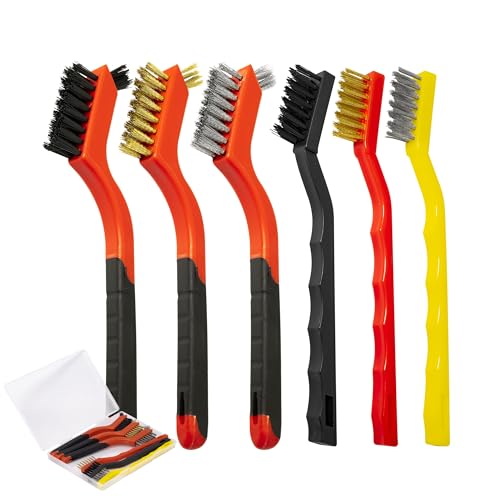
- Nylon bristle copper cleaning brush
- Copper polishing cloth microfiber
- Copper cleaning kit


Before You Start
Prepare a well-ventilated area and gather the supplies. Test vinegar on a small, inconspicuous spot first to ensure it does not affect patina or coatings. Avoid prolonged soaking, especially on delicate finishes. If the item is decorative with a patina, decide whether you want to preserve that look or restore shine. For stubborn grime, consider a gentler approach before moving to more aggressive tools.
Step-By-Step: How To Clean Copper With Vinegar
- Wipe down the surface with a damp cloth to remove loose dust and debris.
- Prepare a cleaning solution: mix equal parts white vinegar and water in a shallow bowl.
- For light tarnish, dip a soft microfiber towel for copper cleaning into the solution and wipe in a circular motion.
- For tougher tarnish, sprinkle a small amount of salt or baking soda on the towel and continue to rub gently.
- Use a non-scratch copper scrub pad or nylon bristle copper cleaning brush for stubborn spots, applying light pressure.
- Rinse the item with warm water to remove any residue from the cleaning agents.
- Dry immediately with a clean microfiber cloth to prevent water spots and new tarnish.
- Buff the surface with a copper polishing cloth microfiber to restore shine and add a protective layer.
- If needed, repeat steps for persistent areas, ensuring thorough rinsing between passes.
- For copper cookware, avoid leaving acidic solution on the surface for extended periods to protect seasoning or finishes.
- Inspect the piece in bright light to confirm even shine and note any remaining discoloration for targeted treatment.
- Store cleaned items in a dry environment to slow future tarnish development.
Troubleshooting
| Symptom | Likely Cause | Fix | Prevention |
|---|---|---|---|
| Streaks after cleaning | Drying too slowly or uneven buffing | Wipe with a dry microfiber cloth and buff evenly | Dry and buff promptly after rinsing |
| Persistent dark spots | Deep tarnish or protective coating interference | Gently re-treat with vinegar solution and a soft brush | Avoid harsh scrubs on delicate finishes |
| Discoloration on patinated surfaces | Acid exposure or aggressive cleaning | Limit vinegar exposure and use milder methods | Preserve desired patina when cleaning |
| Residue after cleaning | Rinsing was incomplete | Rinse thoroughly and re-dry | Rinse with clean water and dry immediately |
Common Mistakes
- Using abrasive scrubbers on finished copper is likely to scratch the surface.
- Leaving vinegar on metal for long periods can dull shine or interact with coatings.
- Mixing vinegar with bleach or ammonia creates hazardous fumes; never combine cleaners.
- Using aggressive pressure on intricate designs can damage edges or engravings.
- Skipping thorough rinsing may leave residue that dulls the finish over time.
Tips For Best Results
- For routine maintenance, wipe with a damp cloth and dry immediately to prevent tarnish buildup.
- Use a dedicated polishing cloth to maintain shine between cleanings.
- Protect copper items with a light layer of oil or wax after polishing to slow tarnish.
- Test any cleaning method on a small area first to ensure compatibility with finishes or coatings.
- Store copper in a dry, low-humidity environment to minimize oxidation.
Call A Professional
Consider a professional if copper items are heavily corroded, have delicate enameling, or are valuable antiques. Stop and seek help if cleaning requires chemical agents beyond vinegar or if you notice softened metal, structural damage, or compromised patina that you wish to preserve.
FAQ
Can vinegar damage copper finishes?
Vinegar is generally safe for bare copper, but it may affect coated or patinated finishes. Test first and avoid prolonged exposure on delicate surfaces.
Is salt or baking soda necessary when cleaning copper with vinegar?
Salt or baking soda can boost cleaning power for tough tarnish, but it’s optional for light tarnish. Use sparingly to avoid scratching.
Should I rinse between cleaning steps?
Yes, rinse between steps to remove residue and prevent streaks or dulling from cleaners.
What’s the best way to maintain copper after cleaning?
Dry thoroughly and buff with a polishing cloth; apply a light protective layer periodically to slow tarnish.
Can I use vinegar on all copper items?
Most bare copper responds well, but decorative finishes or antique patinas may require gentler methods or professional care.
Buying Guide
When choosing copper cleaning tools and accessories, consider size, material compatibility, and finish preservation. For ongoing maintenance, a gentle set that includes a soft microfiber towel for copper cleaning, a copper polishing cloth microfiber, and a copper cleaning kit offers flexibility for various tasks. If tarnish is stubborn, a nylon bristle copper cleaning brush or non-scratch copper scrub pad helps without scratching. Ensure the kit includes non-abrasive options to protect delicate surfaces. For cookware, prioritize tools that won’t dull coatings and are safe for metal textures. Consider storage options that keep items dry and organized to promote consistent care. Finally, look for easy-to-clean components and clear instructions to simplify routine maintenance.