Braided rugs bring warmth and texture to American homes, but their unique fibers and construction require careful cleaning to maintain color and shape. This guide provides practical, step-by-step instructions for common braided rug materials, including jute, cotton, wool, and blends, using household tools and targeted cleaners.
Readers will find quick, actionable advice, safety notes, and a buying guide to help select the right products and methods for their rug type and home setting.
Quick Answer
Begin with a light vacuum to remove surface dirt, then treat stains with a suitable stain remover spray or rug cleaning solution. For light soiling, use a soft brush and gentle cleaning solution, followed by air drying. For deeper cleaning, a carpet steam cleaner or a handheld brush can help, but avoid soaking the rug to prevent fiber damage or dye bleeding. Always test cleaners in an inconspicuous area first.
What You’ll Need
- Jute braided rug cleaning brush
- Cotton braided rug stain remover spray
- Carpet steam cleaner for area rugs
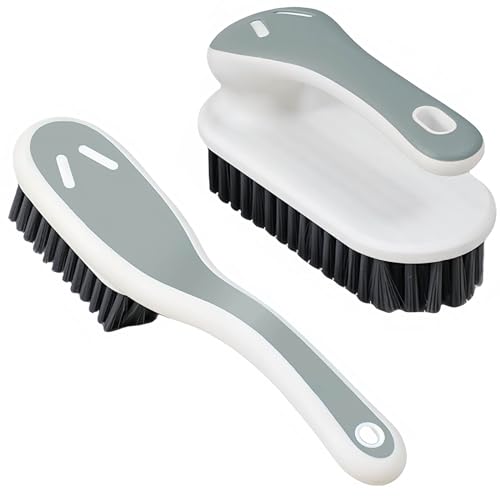
- Handheld carpet cleaning brush for braided rug
- Rug cleaning solution for wool braided rug
- Soft microfiber cloths
- Vacuum with a gentle setting
- Clean, absorbent towels


Before You Start
Before cleaning, identify the rug’s material and check care tags. Avoid harsh chemicals on natural fibers, which can cause discoloration or fiber damage. Test any cleaner on a hidden corner to ensure colorfastness. Protect surrounding floors by placing a tarp or old sheets underneath. Plan cleaning on a dry day to promote faster air drying, and never leave the rug soaked. For wool or natural fibers, use minimal moisture to prevent shrinkage and warping. A typical cleaning session may take 1 to 3 hours, depending on rug size and drying conditions.
Step-By-Step: How To Clean A Braided Rug
- Vacuum the rug thoroughly on both sides to remove loose dirt and debris.
- Inspect for stains and note areas that require extra attention, such as rings from furniture or high-traffic spots.
- For spot cleaning, apply a cotton braided rug stain remover spray or a rug cleaning solution for wool braided rug to a clean cloth and dab, not rub, to lift the stain.
- Gently scrub with a handheld carpet cleaning brush for braided rug or a soft brush, working in the direction of the fibers to avoid fraying.
- For wider areas, use a small amount of solution and a damp sponge or microfiber cloth, then blot to lift dirt rather than saturate the fibers.
- If deeper cleaning is needed, run a carpet steam cleaner for area rugs over the surface on a low setting, ensuring the unit uses minimal water and avoids over-wetting.
- Rinse lightly with a clean, damp cloth to remove any cleaning residue, then blot with towels to remove excess moisture.
- Allow the rug to air dry completely in a well-ventilated area, ideally lying flat or hanging to prevent distortion.
- Once dry, vacuum again to lift the fibers and restore pile texture.
- Inspect for any remaining staining and repeat targeted cleaning if necessary, ensuring the rug is fully dry before returning to its place.
- For ongoing care, schedule periodic light cleanings to prevent buildup and maintain color integrity.
- Store or relocate rugs carefully to avoid creasing or damage when not in use.
Troubleshooting
| Symptom | Likely Cause | Fix | Prevention |
|---|---|---|---|
| Dye bleeding after cleaning | Uncolorfast fibers | Rinse with clean water and blot; avoid hot water | Test cleaners in a hidden area; use color-safe products |
| Persistent musty odor | Moisture retention | Increase airflow; use a dehumidifier; re-dry completely | Clean on dry days; never leave rug damp overnight |
| Fiber fraying or loose braids | Aggressive brushing | Switch to a softer brush; work gently | Regular, light cleaning; avoid aggressive scrubbing |
| Stains reappearing | Residual stain remains | Re-treat with appropriate stain remover and re-rinse | Treat promptly; blot, don’t rub |
Common Mistakes
- Over-wetting natural-fiber braided rugs, which can cause warping or mold.
- Using harsh or generic cleaners that aren’t suitable for fiber types.
- Rubbing stains vigorously, which can push them deeper into fibers.
- Skipping a drying step, leaving moisture trapped in the rug.
To keep braided rugs looking their best, follow manufacturer care instructions and stick to gentle methods. Regular, light upkeep often prevents major cleaning efforts.
Tips For Best Results
- Use a soft-bristled brush to lift dirt without snagging fibers.
- Test any cleaner on a hidden corner to ensure colorfastness.
- Work from the edges toward the center to avoid spreading dirt.
- Rotate the rug periodically to promote even wear and fading.
- Protect the rug from direct sunlight to prevent color fading over time.
Call A Professional
Consider calling a professional when a braided rug shows significant dye transfer, persistent stains that resist routine cleaning, or signs of backing deterioration. If the rug is antique, handmade, or uses delicate fibers like hand-spun wool, professional cleaning ensures proper handling and preservation.
FAQ
Can I clean a braided rug with a steam cleaner?
Yes, but use a low-moisture setting and avoid soaking the rug to protect fibers and backing.
What should I do if the rug color fades after cleaning?
Test fixes on a hidden area, avoid sun exposure, and consider professional color restoration if available.
Is it safe to use room-temperature faucet water for cleaning?
Yes, for most fibers, but avoid hot water on natural fibers to prevent shrinking or dye bleeding.
How often should I clean a high-traffic braided rug?
Light cleaning every 1–3 months is typical; deeper cleanings can be scheduled every 6–12 months depending on soiling.
Buying Guide
When choosing cleaning gear and care products for braided rugs, consider fiber type, rug size, and home conditions. Key factors include:
- Size and weight: Larger rugs may require steam cleaning or professional help; smaller rugs are easier to handle with handheld tools.
- Noise level and energy use: Consider quiet operation and energy-efficient cleaning devices for apartment living.
- Energy efficiency and controls: Look for adjustable pressure, cycling heating, and easy-to-clean filter designs on steam cleaners.
- Placement considerations: Rugs in sunny or high-traffic areas benefit from color-safe, low-moisture cleaners to protect fibers.
When comparing products, assess compatibility with rug materials—jute, cotton, wool, or blends—and prioritize lower-moisture options for natural fibers. For stain-prone areas, a targeted spray or specialized solution can simplify maintenance. If a rug is delicate or handmade, prioritize gentler tools and consider professional services for deep cleaning.