Concrete walls, whether in basements, garages, or exterior facades, benefit from a careful cleaning routine that preserves the surface integrity while removing stains, mold, and buildup. This guide outlines practical steps, safety tips, and product recommendations to achieve a clean, refreshed look on interior and exterior concrete walls.
Quick Answer
For fast, effective cleaning of concrete walls, start with a high-pressure wash to remove loose dirt, then apply targeted cleaners for mold, efflorescence, and stains. Rinse thoroughly, scrub stubborn spots with a hard bristle brush, and allow surfaces to dry completely before sealing or repainting if needed.
What You’ll Need
- Pressure washer for concrete walls 2000 psi
- Mold and mildew cleaner for concrete walls interior exterior
- Efflorescence remover for concrete walls
- Concrete wall stain remover degreaser
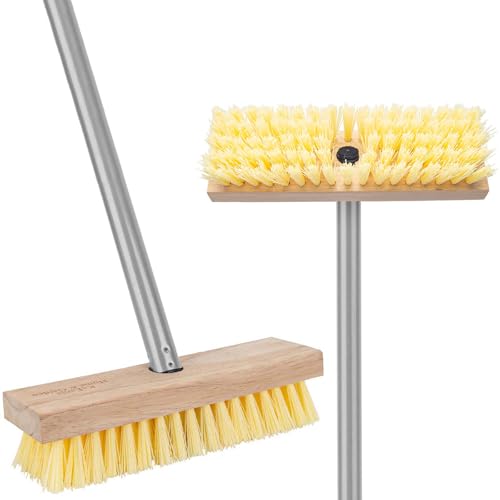
- Hard bristle scrub brush for concrete walls long-handled


Before You Start
Assess the wall type and finish. If the surface is painted, test a small inconspicuous area to ensure cleaners do not cause damage or discoloration. Wear protective eyewear, gloves, and consider a respirator for dusty conditions. Move furniture and cover nearby plants or electronics. Mark weather windows for exterior cleaning to avoid rain and ensure a dry, stable surface. Time to complete: a few hours for a typical wall, longer for heavily stained sections. Avoid or minimize bleach use on sensitive surfaces and always follow product instructions.
Step-By-Step: How To Clean Concrete Walls
- Remove loose debris from the wall with a dry brush or broom to prevent scratches during scrubbing.
- Rinse the surface with a hose or pressure washer on a wide fan setting to loosen dirt and grime.
- Apply a mold and mildew cleaner for concrete walls interior exterior to affected areas and let it dwell as directed.
- Scrub with a hard bristle scrub brush for concrete walls long-handled to tackle stubborn spots, especially near corners and textured surfaces.
- For efflorescence, apply an efflorescence remover for concrete walls and scrub gently until salts dissolve.
- Treat oil or grease stains with a concrete wall stain remover degreaser, applying as directed and letting it work before scrubbing.
- Rinse thoroughly with the pressure washer, starting from the top and moving downward to prevent streaking.
- Inspect and repeat treatment on any persistent stains or mold patches. For exterior walls, ensure proper drainage to avoid water traps.
- Allow the wall to dry completely, typically 24 to 48 hours, before repainting or sealing to prevent moisture entrapment.
- Document any remaining issues such as hairline cracks or efflorescence that reappears after cleaning for targeted remediation.
- If mold or mildew recurs quickly, consider a second cleaning cycle or consult a professional for persistent growth.
Troubleshooting
| Symptom | Likely Cause | Fix | Prevention |
|---|---|---|---|
| Streaks after cleaning | Improper rinse or uneven cleaning | Re-rinse with wide spray pattern | Maintain consistent technique |
| Discoloration after cleaner | Surface sensitive to cleaners | Test area first; switch cleaner | Use products designed for concrete |
| Reappearing mold | Moisture source nearby or porous surface | Address moisture; seal if appropriate | Improve drainage and ventilation |
| Stiff brush not removing stains | Stain deeply embedded | Apply stronger species cleaner and dwell time | Regular cleaning to prevent buildup |
Common Mistakes
- Using overly harsh chemicals that damage the concrete finish or cause discoloration
- Skipping test patches before full application
- Neglecting to protect nearby plants and surfaces during cleaning
- Using high-pressure settings on fragile or sealed surfaces, causing pitting
- Ignoring drying time, which can trap moisture and promote mold growth
Tips For Best Results
- Use a fan tip on the pressure washer to reduce risk of surface damage while still delivering sufficient cleaning power.
- Pre-wet surrounding areas to minimize chemical spread and divergence in cleaning results.
- Work in sections, especially on exterior walls with mildew growth, to keep a consistent cleaning rhythm.
- Follow cleaner dwell times precisely; do not rush the chemistry to prevent incomplete cleanliness.
- After cleaning, consider a sealer on bare or repaired concrete to reduce future staining and moisture uptake.
Call A Professional
Seek professional help if there is extensive structural damage, persistent mold growth despite cleaning, or if the wall shows signs of moisture intrusion like efflorescence that returns after treatments. Stop if you notice significant crumbling, deep cracks, or peeling paint that indicates underlying issues beyond surface grime.
FAQ
Can I clean painted concrete walls the same way as bare concrete?
Painted surfaces require gentler cleaners and testing on a hidden area to avoid stripping or discoloration. Use products labeled safe for painted walls and consider repainting after cleaning if the finish looks dull.
Is it safe to use bleach for mold on concrete walls?
Bleach can be effective for mold on nonporous surfaces but may discolor some concrete finishes. Always dilute properly and test first. For sensitive surfaces, use mold cleaners designed for concrete.
How long should I wait after cleaning before sealing?
Allow 24 to 48 hours of complete drying in well-ventilated conditions to ensure the sealer bonds properly and moisture is not trapped.
What’s the best method to remove efflorescence?
Apply an efflorescence remover according to the product instructions and scrub with a stiff brush. Rinse thoroughly and repeat if necessary before sealing.
Can I use a regular household cleaner on concrete walls?
Household cleaners may be too mild or inappropriate for concrete stains and efflorescence. Prefer cleaners designed for concrete and follow label directions.
Buying Guide
The following factors help choose products and tools for cleaning concrete walls effectively. Consider wall location (interior vs exterior), expected staining, and safety concerns when selecting equipment and cleaners.
- Size and power: For most residential walls, a pressure washer for concrete walls 2000 psi provides ample cleaning power without excessive surface damage. Higher psi may be needed for heavy grime but requires caution.
- Cleaning agents: Select a mold and mildew cleaner for concrete walls interior exterior for growth, an efflorescence remover for concrete walls for salt deposits, and a concrete wall stain remover degreaser for oil stains. Always follow label directions and test patches.
- Tools: A hard bristle scrub brush for concrete walls long-handled helps reach corners and textured surfaces without bending over frequently. A long handle reduces strain during scrubbing.
- Surface type: Determine if walls are bare concrete, painted, or sealed. Some finishes require gentler cleaners or alternative maintenance approaches.
- Drying and protection: After cleaning, plan for adequate drying time and consider sealing or repainting if appropriate to prevent future staining and moisture intrusion.
- Safety: Protective gear and ventilation are essential, especially when working with chemical cleaners or on exterior walls where weather can affect results.
- Maintenance plan: Regular light cleaning can reduce buildup, while periodic deep cleanings tackle mildew, efflorescence, and stubborn stains more effectively.