Maintaining a clean fireplace surround enhances the room’s aesthetic and helps protect surfaces from soot and stains. This guide outlines practical, safe steps for cleaning various surround materials—stone, brick, marble, and wood—using common cleaners and tools. It emphasizes choosing non-abrasive products and following manufacturer recommendations to avoid surface damage.
Quick Answer
Assess your surface first to choose the right cleaner. For brick and stone, use a non-abrasive, pH-neutral cleaner; for marble, stick to marble-specific cleaners; and for wood mantels, use a spray cleaner designed for wood. Always test a small, inconspicuous area before full cleaning, and avoid harsh scrubbing that can wear finishes or roughen surfaces.
What You’ll Need
- Fireplace surround cleaner spray stone brick hearth
- Brick fireplace surround cleaning kit
- Marble fireplace surround cleaner
- Wood mantel fireplace surround cleaner spray
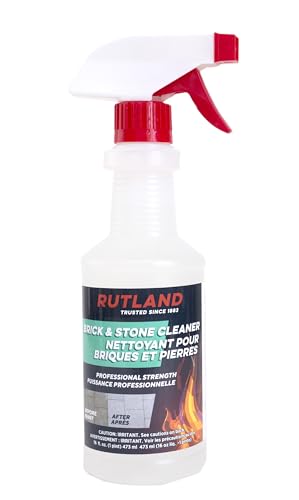
- Non-abrasive cleaner for brick fireplace surround
- Soft microfiber cloths
- Non-scratch scrub brushes or sponges
- Warm water in a spray bottle or bucket
- Vacuum with brush attachment (optional)
- Gloves and eye protection


Before You Start
Clear the area around the fireplace and ensure the fire is completely out and cooled. Protect nearby floors with a drop cloth or old towels. Read product labels for any surface-specific cautions. Avoid acidic cleaners on marble or limestone surfaces as they can etch the stone. Plan for a two-step process: surface cleaning followed by a quick dry to prevent streaks.
Step-By-Step: How To Clean A Fireplace Surround
- Dry clean first: Use a vacuum with a brush attachment or a dry microfiber cloth to remove loose soot and dust from the surround and hearth.
- Choose the right cleaner: For brick and stone, select a non-abrasive, non-acid cleaner. For marble, use a marble-specific cleaner. For wood mantels, pick a wood-safe spray cleaner.
- Spot test: Apply a small amount of cleaner to a hidden area. Wait 1–2 minutes to ensure no adverse reaction, then wipe with a soft cloth.
- Apply cleaner evenly: Spray cleaner onto a microfiber cloth or sponge, not directly onto the surface to minimize run-off. Work in sections to prevent drying residue.
- Clean brick or stone: Gently scrub with a non-scratch brush in circular motions. For stubborn stains, a light damp brush followed by a wipe can help lift the residue.
- Clean marble or stone shelves: Wipe with a marble-friendly cleaner, using a soft, damp cloth. Avoid abrasive pads that can scratch. Dry immediately with a clean microfiber cloth.
- Wood mantels: Wipe with a wood-safe spray cleaner, following the grain. Buff with a dry microfiber cloth to remove any remaining moisture.
- Rinse and dry: If the product requires rinsing, use a clean cloth with water and wipe away any residue. Then dry thoroughly to prevent watermarks.
- Tackle stubborn soot: For heavy soot on brick, apply a mild solution of baking soda and water, let sit briefly, then scrub gently and rinse. Do a final wipe down.
- Final polish: Inspect for streaks or residue. A quick pass with a dry cloth ensures a uniform finish across surfaces.
- Cleanup: Dispose of used rags properly and store cleaners according to label directions.
Troubleshooting
| Symptom | Likely Cause | Fix | Prevention |
|---|---|---|---|
| Streaks after cleaning | Moisture left on surface | Buff with dry microfiber until no moisture shows | Wipe in consistent directions; avoid leaving damp patches |
| Discoloration on marble | Acidic cleaner or abrasive pad | Switch to marble-safe cleaner; stop using abrasives | Always test and follow manufacturer guidelines |
| Rough feel after cleaning | Residue buildup | Rinse with clean water and wipe thoroughly | Use minimal cleaner and more water during rinse |
| Why do stains return? | Proper cleaning not followed in porous surfaces | Use appropriate cleaners for the material; re-clean as needed | Establish a regular cleaning schedule |
| Wood finish looks dull | Over-wetting or harsh cleaners | Use a wood-safe cleaner and dry promptly | Avoid excessive moisture |
Common Mistakes
- Using harsh abrasives or acidic cleaners on stone or marble
- Directly spraying cleaners onto the surface, leading to run-off into gaps
- Neglecting to test products on a small area first
- Over-wetting wood mantels, causing warping or finish damage
- Skipping drying steps, which invites streaks and water spots
Tips For Best Results
- Work from the top down to avoid dirty runoff onto cleaner areas below
- Keep cleaning sessions brief and frequent to prevent heavy buildup
- Use a dedicated brush for brick and stone to avoid cross-contamination with wood or marble cleaners
- Store cleaners in a cool, dry place and label containers clearly
- Consider a light yearly maintenance routine to prevent stubborn stains
Call A Professional
Consider dialing a pro if any of the following apply: extensive soot penetration into porous brick, marble etching or severe staining, or if the surround shows structural damage or discoloration after routine cleaning. Professionals can assess finishes, apply appropriate sealants, and restore appearance without risking surface harm.
FAQ
What’s the best cleaner for a brick fireplace surround?
A non-abrasive, pH-neutral cleaner designed for brick or stone surfaces helps lift soot without damaging the material.
Can I use marble cleaner on a marble surround?
Yes, use a cleaner labeled for marble to prevent etching and dulling of the stone’s sheen.
Is it safe to spray cleaners on wood mantels?
Spray cleaners formulated for wood work best; spray onto cloth rather than directly onto the wood.
How often should I clean my fireplace surround?
Light cleaning monthly with a deeper clean every few months keeps surfaces looking fresh and prevents buildup.
Buying Guide
When choosing products to clean a fireplace surround, consider material type, cleaning power, and surface protection. Size and material will dictate whether you need a brick/stone cleaner, marble-specific product, or a wood-friendly spray. Noise level is not a major factor for in-home cleaning but consider preferred methods (manual brushes vs. powered tools) if you value quiet operation. Energy efficiency is unrelated to cleaning but choose compact, user-friendly bottles that minimize waste. Controls refer to how easy the product is to use: spray vs. pour, dilution requirements, and required contact time. Placement considerations include ensuring cleaners are kept away from heat sources, pets, and children. For best results, compare products that offer clear surface compatibility and visible safety certifications. When in doubt, start with a gentler cleaner and escalate only if necessary.
By selecting appropriate cleaners for brick, stone, marble, or wood, homeowners can maintain a clean, attractive fireplace surround without risking damage. Regular, careful cleaning supports both aesthetics and surface longevity, making the hearth a proud focal point of the room.