Maintaining a clean concrete porch enhances curb appeal and extends the life of outdoor surfaces. This guide provides practical, step-by-step methods using common tools like pressure washers, degreasers, and stiff brushes. Readers will find a clear plan that covers prep, execution, and maintenance without specialized equipment beyond typical outdoor cleaning gear.
Quick Answer
For a fast, effective clean, use a pressure washer around 2000–3000 PSI with a stiff nylon scrub brush for stubborn stains, combined with a concrete cleaner degreaser for grease spots and a masonry cleaning solution concentrate for overall brightening. Finish with a rotary surface cleaner attachment for large areas to reduce spray lines.
What You’ll Need
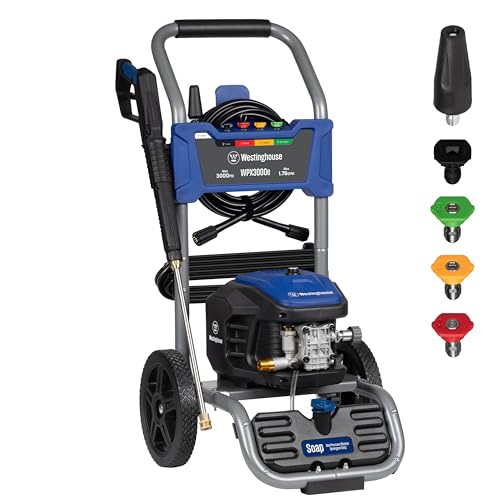
- Electric pressure washer for concrete cleaning 2000-3000 PSI
- Concrete cleaner degreaser for outdoor porch
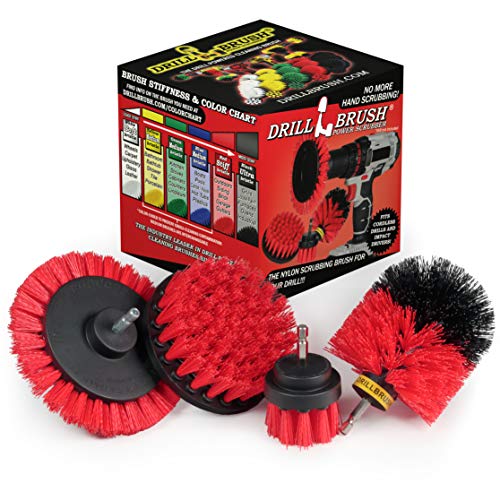
- Stiff nylon scrub brush for concrete porch cleaning
- Rotary surface cleaner attachment for concrete cleaning
- Masonry cleaning solution concentrate for concrete porch

Before You Start
Assess the porch for loose bricks or failing mortar; repair before cleaning if needed. Move furniture and plan for runoff to avoid garden beds or siding contact. Test a small hidden area to ensure the cleaning solution does not discolor the surface. Wear protective eyewear and gloves, and use a non-slip shoe for safety. Time estimate: 1–3 hours depending on area size and stain severity. Safety first: never spray water upward under eaves or toward electrical outlets.
Step-By-Step: How To Clean A Concrete Porch
- Clear the porch surface of leaves, debris, and furniture; sweep thoroughly.
- Apply the concrete cleaner degreaser for outdoor porch to grease stains, letting it dwell per label instructions.
- Spray the surface with the electric pressure washer for concrete cleaning 2000-3000 PSI, starting from the far end and moving toward the exit to avoid tracking dirty water.
- Use the stiff nylon scrub brush for concrete porch cleaning on stubborn spots along the grout lines and rough patches while the cleaner sits.
- Switch to the rotary surface cleaner attachment for concrete cleaning for broad, even coverage and to minimize wand lines on flat concrete.
- For heavily stained areas, mix a portion of masonry cleaning solution concentrate for concrete porch with water and apply with a brush, then rinse.
- Rinse thoroughly with the pressure washer, ensuring all residues are flushed away and the surface looks uniform.
- Let the porch dry completely; inspect for any remaining stains and repeat targeted treatment if needed.
- Seal the surface after it dries, if desired, to enhance future cleanability and stain resistance.
- Clean and store tools, ensuring the pressure washer wand and attachments are dry before storage.
- Dispose of cleaning runoff according to local regulations and avoid runoff into storm drains or plant beds.
Troubleshooting
| Symptom | Likely Cause | Fix | Prevention |
|---|---|---|---|
| Streaks after washing | Uneven spray or insufficient rinse | Respray with rotary cleaner; increase rinse distance | Maintain consistent motion and overlap passes |
| Stains remain after cleaning | Deep oil or rust stains | Apply targeted cleaner and dwell longer, rewash | Address stains promptly; use protective mats |
| Surface feels slick when wet | Residue from cleaner or over-wetting | Rinse thoroughly; re-clean in sections | Test small area first; avoid over-application |
| Discoloration or fading | Harsh cleaner contact | Rinse quickly; consider milder solution next time | Spot-test paint-free areas; follow label directions |
Common Mistakes
- Using too high pressure on fragile surfaces causing pitting
- Over-wetting the porch and letting water pool near doors
- Neglecting to pre-treat oil or grease stains
- Skipping a test patch that hides discoloration risks
- Waiting too long between maintenance cleanings, letting stains set
Proper technique and planning reduce the risk of damage and improve results. Always follow product label instructions for all cleaners and equipment.
Tips For Best Results
- Work in shaded areas or during cool parts of the day to prevent quick drying that can leave streaks.
- Use a rotating surface cleaner for large areas to speed up cleaning and achieve a uniform finish.
- Combine degreaser with a stiff brush on concrete pores to lift embedded grime.
- Rinse from top to bottom to prevent dirty water from running onto clean surfaces.
- Consider sealing the concrete after drying to help future cleanings go faster.
Call A Professional
Seek professional help if the porch has structural damage, persistent deep stains, or if staining involves hazardous substances. Stop and consult a pro if:
- There are visible cracks, spalling, or mortar deterioration
- Stain removal requires chemical compatibility beyond basic cleaners
- Electrical outlets or wiring are near the cleaning area and could be exposed to moisture
FAQ
Can I use a standard household pressure washer to clean a concrete porch?
Yes, a pressure washer in the 2000–3000 PSI range is effective for concrete porches when used with proper attachments and technique.
Is it necessary to seal a concrete porch after cleaning?
Sealing is optional but can improve stain resistance and ease future cleaning, especially in high-traffic areas.
How do I remove oil stains from a concrete porch?
Apply a concrete cleaner degreaser, scrub with a stiff brush, and rinse thoroughly; repeat if necessary.
What maintenance steps can extend the clean look?
Regular sweeping, prompt stain treatment, and periodic sealing help maintain a fresh appearance longer.
Buying Guide
Choosing the right tools and products for cleaning a concrete porch depends on surface condition, typical stains, and area size. Consider the following factors to compare options and make informed choices.
Size and cleaning power
Opt for an electric pressure washer in the 2000–3000 PSI range for most concrete porches. Higher PSI is useful for tough stains but risks surface damage if misused. Look for a unit with adjustable pressure and a clean water flow rate suitable for outdoor cleaning.
Noise level and energy efficiency
Electric models generally run quieter than gas-powered units and tend to be more energy-efficient for residential use. If noise is a concern, choose units with lower decibel ratings and better insulation.
Cleaning solutions and chemistry
Use concrete cleaner degreasers for oil and grease and masonry cleaning solutions for overall brightness. Always follow label directions and test on a hidden patch first to avoid discoloration.
Attachments and versatility
A rotary surface cleaner attachment speeds up large-area cleaning and yields uniform results. Pair it with a stiff nylon scrub brush for stubborn spots and a standard nozzle for detailed work.
Placement and safety
Ensure the unit is placed on level ground, with hoses managed to prevent tripping. Power cords and water runoff should be positioned away from doors and electrical outlets. Check local regulations regarding runoff disposal.
Maintenance and durability
Look for corrosion-resistant fittings and easy-access housings for routine maintenance. A unit with a quick-connect wand system reduces setup time and wear on connectors.
Cost vs value
While price is a consideration, prioritize durability, warranty, and compatibility with the cleaning tasks you perform most often. A model that handles frequent porch cleaning and accepts a range of attachments offers the best long-term value.