Cleaning outdoor concrete floors removes dirt, algae, and stains that accumulate from weather, foot traffic, and seasonal changes. A well-planned approach uses the right tools and cleaners to restore color and curb appeal without damaging the surface. This guide focuses on practical steps for driveways, patios, and other exterior concrete areas.
By following best practices, homeowners can achieve fresh-looking concrete with minimal effort. The key is selecting appropriate equipment, applying cleaners safely, and using the correct scrubbing techniques for different stains and textures.
Quick Answer
Start with a thorough rinse, apply a masonry cleaner or concrete-safe detergent, scrub with a stiff-bristle brush or surface cleaner, and rinse completely. For tough stains, repeat the process or use a pressure washer with a surface cleaner attachment designed for concrete.
What You’ll Need
- Outdoor concrete pressure washer
- Pressure washer surface cleaner attachment for concrete
- Concrete patio scrubbing brush exterior
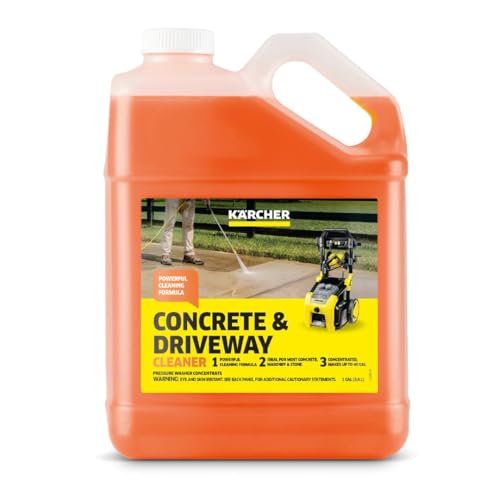
- Masonry cleaner for outdoor concrete surfaces
- Stiff bristle deck scrub brush for concrete


Before You Start
Assess the area for cracks or loose materials and make repairs as needed before cleaning. Protect nearby plants and outdoor furniture, and cover adjacent surfaces if splatter is possible. Time your work for a dry day to ensure cleaners dry evenly. Wear eye protection and gloves to guard against splashes, and test cleaners on a small, inconspicuous patch first.
Step-By-Step: How To Clean Concrete Floors Outside
- Clear the area and perform a quick rinse with a hose to remove loose debris.
- Choose a suitable cleaner: a masonry cleaner for tough stains or a neutral detergent for routine cleaning.
- Apply the cleaner evenly across the surface, focusing on stained or heavily soiled zones.
- Let the cleaner sit for 5–10 minutes to break down grime, never letting it dry completely.
- Scrub with a stiff bristle deck scrub brush for concrete or use a masonry cleaner for outdoor concrete surfaces with a brush attachment for embedded dirt.
- Rinse thoroughly with a high-pressure stream, progressing from one end to the other to prevent streaks.
- For larger areas, swap to a pressure washer surface cleaner attachment for concrete to cover more ground evenly.
- Inspect the surface and repeat steps for any stubborn stains; allow the area to dry completely before use.
Troubleshooting
| Symptom | Likely Cause | Fix | Prevention |
|---|---|---|---|
| Streaks after cleaning | Uneven rinse or improper spray pattern | Re-rinse with a uniform pass using a surface cleaner | Test spray pattern before large passes |
| Stubborn oil stains | Deep-set grime | Apply a masonry cleaner and agitate with a stiff brush, repeat | Address spills promptly to prevent setting |
| Discoloration or residue | Cleansers left on surface | Rinse thoroughly with clean water | Follow product instructions for dwell time |
| Surface shows minor pitting after cleaning | Overly aggressive scrubbing | Use gentler brushes and shorter scrubbing sessions | Avoid using metal brushes on fragile areas |
| Algae regrowth in shade | Moist, shaded areas | Apply a dedicated algae-killing cleaner and maintain drying | Keep surface dry when possible and trim nearby foliage |
Common Mistakes
- Using high-alkaline cleaners that can damage sealants and nearby plants.
- Allowing cleaners to dry on the surface before rinsing.
- Over-scrubbing fragile or newly poured concrete, causing pitting or roughness.
- Neglecting to protect surrounding vegetation from chemical runoff.
Tips For Best Results
- Test cleaners on a small area first to gauge colorfastness and surface reaction.
- Work in shade to prevent quick drying, which can leave streaks.
- Use a handheld spray wand for targeted spots before proceeding with a surface cleaner attachment.
- For large patios, schedule cleaning in sections to maintain consistent results.
- Consider sealing the concrete after cleaning and drying to reduce future staining.
Call A Professional
Call a professional if the surface shows significant cracking, discoloration, or if you encounter persistent mold growth that does not respond to cleaning. Seek help if you plan to seal or resurfaced areas and are unsure about the compatibility of cleaners with existing coatings or sealants.
FAQ
What is the best cleaner for outdoor concrete?
Neutral detergents are suitable for routine cleaning, while masonry cleaners work well for tough stains and mineral deposits.
Can I use a pressure washer on all concrete surfaces?
Yes, but adjust pressure to avoid etching or damaging delicate textures; use a surface cleaner attachment for even results.
How often should I clean an outdoor concrete patio?
Cleaning 2–4 times per year is common, with more frequent.cleaning if mold, algae, or heavy staining is present.
Should I seal concrete after cleaning?
Sealing after thorough drying helps resist stains and makes future cleaning easier.
What safety gear is essential for outdoor concrete cleaning?
Eye protection, gloves, closed-toe shoes, and a mask if using chemical cleaners or strong detergents.
Can I remove oil stains with household cleaners?
Some household degreasers can help, but dedicated masonry cleaners are often more effective for embedded oil stains.
Buying Guide
When selecting equipment for cleaning exterior concrete, consider the following factors to balance ease, effectiveness, and cost.
- Size and coverage: Choose a pressure washer with a suitable PSI and GPM for your space; larger patios benefit from a surface cleaner attachment for fast, uniform cleaning.
- Noise level: Some pressure washers and attachments run loudly; assess neighborhood noise guidelines and opt for quieter models if needed.
- Energy efficiency: Electric models are common for home use and offer adequate cleaning power with lower emissions.
- Controls: Look for easy-start/stop features, adjustable pressure settings, and compatible cleaners.
- Placement and storage: Consider how and where you’ll store equipment; portability helps for multi-area cleaning.
What matters most is choosing tools that match the size of your outdoor space, the typical staining you encounter, and how often you plan to clean. If staining is persistent or surfaces are delicate, a professional assessment may guide the right approach and timing for maintenance tasks.