Colored grout adds a cohesive, vibrant look to tiled surfaces, but it can be tricky to keep clean without altering its hue. This guide explains practical, product-backed methods to refresh colored grout on ceramic and other tile types while protecting the color and the tile itself.
Quick Answer
Use a gentle, color-safe approach first. Apply a colored grout cleaner or grout stain remover designed for colored grout, followed by an oxygen bleach grout cleaner if needed. Always test a small, inconspicuous area first. Rinse thoroughly, dry, and seal with a grout sealing and cleaning kit to maintain results.
What You’ll Need
- Colored grout cleaner
- Grout stain remover for colored grout
- Oxygen bleach grout cleaner for colored grout
- Grout sealing and cleaning kit for colored grout
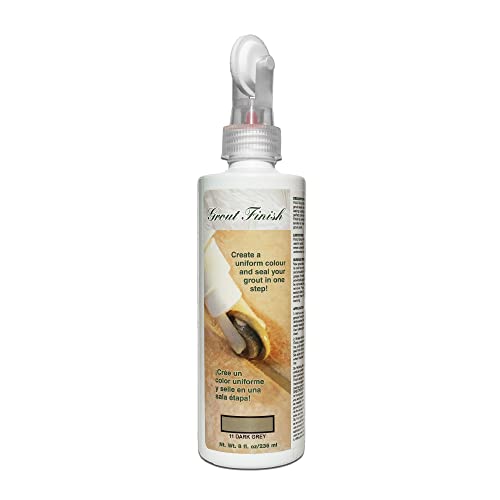
- Grout color restorer for ceramic tile


Before You Start
Prepare the work area by removing loose debris with a dry brush or vacuum. Protect surrounding surfaces with painter’s tape and a damp cloth to catch drips. Wear gloves and eye protection, and ensure good ventilation. Time estimate: 20–60 minutes per area, depending on grout condition and tile layout. Important: do not mix cleaning products unless the manufacturer specifies compatibility; some combinations can release harmful fumes or discolor grout.
Step-By-Step: How To Clean Colored Grout
- Dry-clean the grout lines to remove surface dust and grime.
- Apply a colored grout cleaner to the grout lines. Allow time for it to penetrate (check product instructions).
- Gently scrub with a soft-bristle brush or microfiber grout brush, focusing on color-deep stains.
- Rinse with clear water and wipe with a clean cloth. If stains persist, repeat with a grout stain remover for colored grout.
- For tough, set-in stains, use an oxygen bleach grout cleaner for colored grout following label directions. Never mix with ammonia or acidic cleaners.
- Rinse thoroughly and dry the area to prevent residue from affecting color.
- Once clean, apply a grout sealing and cleaning kit for colored grout to protect the color and ease future cleaning.
- If the hue has worn or faded, consider a grout color restorer for ceramic tile to refresh the color uniformity.
- Allow the grout to cure as recommended before exposing it to heavy use or moisture.
- Document the area’s before-and-after to compare future cleaning results and schedule periodic maintenance.
Troubleshooting
| Symptom | Likely Cause | Fix | Prevention |
|---|---|---|---|
| Persistent dark stains after cleaning | Deep-set staining or seal failure | Use grout stain remover for colored grout, then reseal | Seal grout after cleaning; never skip sealing |
| Color fading or uneven tones | Improper product use or over-cleaning | Recolor with grout color restorer for ceramic tile; follow product guidelines | Test in a small area first; follow recommended dwell times |
| Residue on tile or grout | Rinsing incomplete; product incompatibility | Rinse thoroughly with fresh water; dry with a microfiber cloth | Work in small sections; rinse before the product dries |
| Flaking or rough grout surface | Over-etching by abrasive cleaners | Switch to gentler cleaners; reseal after surface smooths | Use soft brushes and non-acidic formulas |
Common Mistakes
- Using harsh or acidic cleaners on colored grout, which can strip color.
- Over-soaking grout or letting cleaners sit too long, causing color diffusion.
- Skipping a sealing step, leading to faster discoloration and staining.
- Ignoring manufacturer directions or mixing incompatible products.
Tips For Best Results
- Always test cleaners on a discreet area before full application.
- Work in small sections to keep dwell times controlled and consistent.
- Keep grout lines dry when applying sealers to avoid uneven sheen.
- Use color-safe products specifically designed for colored grout to preserve hue.
- Schedule routine maintenance to prevent staining buildup and extend color life.
Call A Professional
Consider a professional if grout is severely stained, large areas require color restoration, or there are signs of mold that do not respond to standard cleaners. Stop signs to seek help include persistent staining after multiple cleaning attempts, extensive cracking or crumbling grout, or suspected moisture behind tiles.
FAQ
Can I use bleach on colored grout?
Bleach can brighten some stains, but it may weaken or discolor certain color grout. Always test first and use color-safe options when possible.
How often should colored grout be sealed?
Typically every 6–12 months, depending on traffic and cleaning frequency. Sealing helps repel stains and maintain color.
Will grout color restorer change the tile color too?
Most restorers are formulated for grout only, but always test on a hidden area to confirm no color transfer to tile.
Is steam cleaning safe for colored grout?
Steam is generally not recommended for colored grout because high heat and moisture can affect color and seal integrity.
What is the best order to clean colored grout?
Start with a mild colored grout cleaner, scrub, rinse, repeat if needed, then apply grout stain remover for stubborn stains, and finally seal.
Can I repaint grout color instead of cleaning?
Recoloring is possible with a grout color restorer, especially if cleaning does not restore uniform color. Follow product instructions carefully.
Buying Guide
Choosing the right products for colored grout depends on several factors. Consider the tile type and grout width, the severity of staining, and the desired maintenance routine. A color-safe approach with dedicated colored grout cleaners and stain removers often yields the best results without compromising color. Look for products that explicitly state compatibility with colored grout and ceramic tile. If sealing is part of the plan, select a grout sealing and cleaning kit designed for colored grout to simplify maintenance. For color refresh, a grout color restorer for ceramic tile can restore uniformity. Finally, evaluate how often you clean and reseal to determine the best overall maintenance plan.