Coilovers are a central part of a car’s handling and ride quality, but they also attract dirt, grease, and road grime. Regular cleaning helps extend their life and preserves performance. This guide explains a practical method to clean coilovers without damaging components or seals, using common car care products.
Quick Answer
Use a soft brush and mild degreaser to loosen grime, rinse with water, and dry thoroughly. Wipe moving parts with a microfiber cloth and inspect for leaks or corrosion after cleaning. Work from top to bottom to prevent dirt from falling onto cleaned areas.
What You’ll Need
The following tools and supplies are recommended for an effective coilover cleaning job. Gather these before you begin to streamline the process.
- nylon bristle coilover cleaning brush set
- car suspension degreaser spray 16 oz
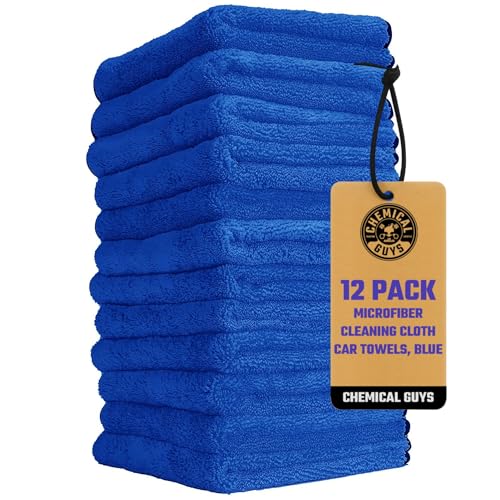
- microfiber detailing towels 16×16 car cleaning
- trigger spray bottle 32 oz for degreaser
- soft wheel brush flexible car cleaning coilovers


Before You Start
Prepare a clean, well-lit workspace with ample ventilation. If the vehicle is on a lift or jack stands, ensure it is stable and securely supported. Protect nearby painted surfaces with a soft cloth or painter’s tape. Allow the coilovers to cool if the car has been driven recently, as metal components can be hot to the touch. Always wear eye protection and gloves. Expect the job to take 30–60 minutes depending on the level of grime.
Step-By-Step: How To Clean Coilovers Thoroughly
- Inspect the coilovers for leaks, corrosion, or damaged seals before cleaning. Note any areas needing extra attention.
- Rinse the assembly with warm water to loosen surface dirt. Avoid high-pressure jets that could damage seals.
- Apply a dilute degreaser spray to the outer surfaces of the coilovers using the trigger spray bottle. Let it sit briefly to break down grease.
- Using the nylon bristle coilover cleaning brush set, gently scrub the threads, collars, and any exposed hardware. Focus on buildup around lock rings without forcing parts.
- Wipe away loosened grime with microfiber detailing towels. Use a separate towel for each section to prevent cross-contamination.
- For stubborn buildup, reapply degreaser and repeat scrubbing with the soft wheel brush on access points and curves.
- Rinse again with clean water to remove all degreaser residue. Ensure no pooling water remains in crevices.
- Dry all surfaces completely with dry microfiber towels. Pay attention to the seals and any vent openings to prevent moisture retention.
- Inspect for any remaining grime, corrosion, or signs of wear. If you notice oil residue on the shaft or leaking seals, consult a professional.
- Lubricate and reassemble any adjustable collars only if instructed by the manufacturer. Recheck torque specifications if applicable.
- Test the suspension at low speed on a safe surface to verify smooth movement and absence of sticking parts or unusual noises.
Troubleshooting
| Symptom | Likely Cause | Fix | Prevention |
|---|---|---|---|
| Leak detected after cleaning | Worn seal or damaged o-ring | Do not force; replace defective seal | Regularly inspect seals during cleanings |
| Stiff or binding movement | Residual cleaner or corrosion on threads | Re-clean with light oil or lubricant recommended by manufacturer | Avoid harsh cleaners on moving parts |
| Excessive rust on hardware | Exposure to moisture without protection | Apply appropriate rust-preventive coating if approved | Keep dry after cleaning; store in a dry area |
| Unusual noises after reassembly | Improper torque or alignment | Re-check fitment and torque specs | Follow torque patterns from the service manual |
Common Mistakes
- Using abrasive brushes or aggressive scrubbing on seals
- Leftover degreaser residue near moving parts
- Cleaning with the car wheels mounted and components offset
- Rushing the drying process, inviting water into joints
Taking time to dry thoroughly and following manufacturer guidance reduces the risk of damage and extends coilover life.
Tips For Best Results
- Work in sections to avoid dirt resettling on already cleaned areas.
- Use a dedicated microfiber towel for each stage to prevent cross-contamination.
- Keep a small stash of spare towels for quick touch-ups during the job.
- Test any cleaning product on a hidden area first to ensure compatibility with finishes.
- Store degreaser in a closed container away from heat and direct sunlight when not in use.
Call A Professional
Seek professional help if: a> you notice persistent leaks around seals, b> you detect damaged threads or bent components, c> you smell strong chemical odors during cleaning, or d> the suspension behaves abnormally after cleaning. Coilovers are critical for safe handling; when in doubt, consult a qualified automotive technician.
FAQ
What is the best degreaser for coilovers?
A mild, sprayable car suspension degreaser designed for automotive use is recommended. Always follow the product’s instructions and test a small area first.
Can I use high-pressure water on coilovers?
Avoid high-pressure jets directly on seals and threads to prevent damage; use a gentle rinse and let gravity remove most grime.
How often should coilovers be cleaned?
Clean coilovers during regular wash cycles or when buildup is noticeable, typically every few months depending on driving conditions.
Do I need to re-lubricate after cleaning?
Only if recommended by the manufacturer; otherwise, avoid applying lubricants to sealed areas unless specified.
Is it okay to use household cleaners?
Household solvents can degrade seals and finishes; prefer automotive-specific degreasers designed for suspension components.
Can I clean coilovers with the wheels on the car?
It is possible, but lifting the vehicle and removing wheels provides better access and reduces the risk of contact with moving parts.
Buying Guide
When choosing coilover cleaning tools and supplies, consider size, compatibility, and ease of use. How do you balance effectiveness with safety? Look for products that are specifically formulated for automotive suspension and compatible with metal surfaces. Noise and heat considerations are less relevant for cleaning but ensure tools are soft enough to avoid scratching.
Key buying factors include:
- Size and reach: Choose brushes and bottles that fit comfortably around your suspension without striking components.
- Performance of degreaser: Opt for pH-balanced, sprayable formulas that lift grime without corroding metal.
- Absorbency of towels: Use high-quality microfiber towels for lint-free, streak-free drying.
- Dispensing controls: A trigger spray bottle with a comfortable grip provides better application control.
- Durability of tools: Select nylon brushes and soft wheel brushes designed for automotive use to resist wear.
- Accessibility: Refillable degreaser containers and compact brush sets travel well for on-the-go maintenance.
For different setups, compare the following perspectives:
– Professional vs. DIY: DIY kits are cost-effective, but persistent issues may require a shop visit.
Questions to ask retailers include compatibility with your specific coilover brand and any warranty implications when using third-party cleaners.