Microwave odors can linger after reheating spicy foods, fish, or heavily seasoned meals. This guide offers practical, product-backed methods using common household items and targeted cleaners to neutralize smells effectively in American kitchens.
Quick Answer
For quick deodorizing, mix a mild cleaning spray with lemon for fresh scent, wipe with a microfiber cloth, and run a short steam cycle using a microwave-safe bowl of water and citrus slices. For persistent smells, use a baking soda tray and a silicone scrubber to scrub crevices, followed by a deodorizing spray and microfiber cloth wipe-down.
What You’ll Need
- Silicone microwave cleaning brush scrubber
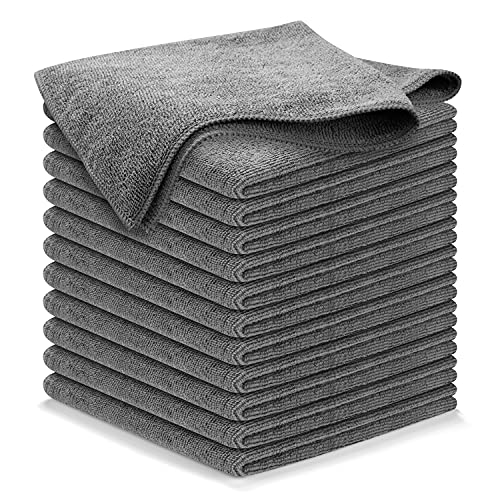
- Microfiber microwave cleaning cloth pack
- Microwave deodorizing cleaner spray lemon
- Baking soda microwave odor absorber tray
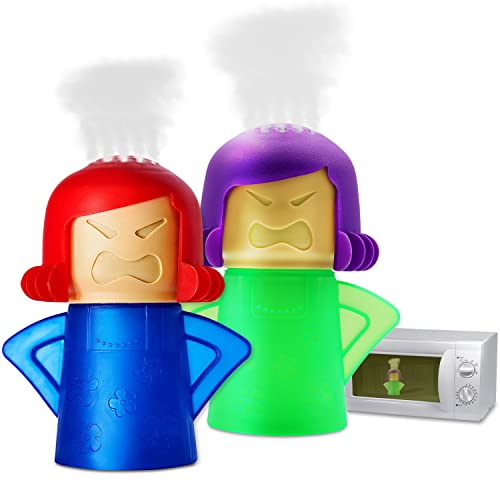
- Steam cleaner for microwave interior

Before You Start
Prepare a clean, dry surface and remove all food debris from the interior. Do not run cleaning tools on heating elements that are damaged. Avoid using harsh chemicals or bleach inside the oven chamber unless specified by the manufacturer. Allow the microwave to cool completely before starting any cleaning routine. Estimate 20–40 minutes for a thorough deodorizing session, depending on odor intensity.
Step-By-Step: How To Get Rid Of Microwave Odors
- Unplug the microwave and remove the turntable for full access to the interior.
- Wipe loose splatters with a dry microfiber cloth to prevent smearing during cleaning.
- Place a microwave-safe bowl filled with water and a few lemon slices or a splash of microwave deodorizing cleaner spray lemon inside.
- Heat on high for 3–5 minutes until the water steams and condensation forms on the walls.
- Carefully remove the bowl and wipe the interior with a microfiber cloth while the steam loosens residue.
- Use the silicone microwave cleaning brush scrubber to reach corners and scrub stubborn buildup along the door seal and around the glass plate.
- Sprinkle a light layer of baking soda on the odor absorber tray and place it inside the microwave to absorb remaining smells overnight if needed.
- Rinse the interior with a damp microfiber cloth, then wipe dry with another clean cloth to prevent moisture buildup.
- If odors persist, run a second steam cycle with plain water or a lemon-scented spray and finish with a wipe-down.
Troubleshooting
| Symptom | Likely Cause | Fix | Prevention |
|---|---|---|---|
| Persistent smoky or burnt smell | Residue around the interior | Use silicone scrubber to clean grooves; run steam cycle again | Clean regularly after cooking |
| Vinegar-like odor after deodorizing | Overuse of strong cleaner | Wipe with plain water and microfiber cloth; air out | Limit concentration and rinse |
| Cloth fibers shedding onto food | Dirty cloths | Use fresh microfiber cloths | Wash cloths between uses |
| Odor returns within hours | Moisture trapped in seals | Dry interior completely; check door seal for gaps | Regular maintenance |
Common Mistakes
- Using abrasive cleaners that scratch the interior surface.
- Over-wetting the interior, which can leave moisture and promote mildew.
- Ignoring the door seal and vent areas where odors linger.
- Neglecting to dry the cavity after treatment, allowing damp conditions to persist.
Tips For Best Results
- Run a quick deodorizing cycle after reheating potent foods (garlic, onions, fish) to minimize lingering scents.
- Use the baking soda microwave odor absorber tray during off-hours for ongoing odor control.
- Keep a dedicated microfiber cloth or two on hand to swap between wipe-downs, avoiding cross-contamination of smells.
- Store cleaning brushes in a dry area to prevent mold growth inside bristles.
Call A Professional
Contact a professional appliance technician if the microwave shows signs of overheating, unusual buzzing noises, smoke, or persistent odors after thorough cleaning. Seek help if door seals appear damaged, if cleaning attempts haven’t resolved odors after multiple cycles, or if the microwave is functioning abnormally.
FAQ
Can I use lemon juice to deodorize my microwave?
Yes. Lemons provide a fresh scent and help break down lipids when heated with water in a microwave-safe bowl.
Is baking soda safe to use inside a microwave?
Yes, baking soda is a gentle deodorizer when used on the tray and wiped away after absorbent use.
How long should I run a steam-clean cycle?
Typically 3–5 minutes of high steam is sufficient, followed by a wipe-down to remove loosened residue.
What should I do if the smell returns after cleaning?
Consider repeating the steps with a fresh microfiber cloth and reusing the odor absorber tray overnight for added effectiveness.
Are there risks cleaning a damaged microwave?
Damaged microwaves should not be cleaned with water or steam; consult a professional for safer cleaning or replacement.
What’s the best order for cleaning?
Start with loose debris, then steam clean, scrub hard-to-reach spots with a silicone brush, deodorize, and wipe dry.
Can I use essential oils for odor control?
Only if the microwave manufacturer approves essential oils as safe for interior use; otherwise stick to lemon spray or baking soda.
Buying Guide
When selecting products to combat microwave odors, consider size compatibility, ease of use, and coverage of odor-control needs. The following factors help narrow choices and ensure reliable results.
Key buying factors
- Size and compatibility: Choose tools and cleaners that fit standard microwave interiors and door openings. Slim silicone brushes and compact microfiber sets work well for most models.
- Deodorizing power: Look for citrus-scented cleaners or baking soda trays designed for microwaves to deliver lasting freshness without residue.
- Ease of use: Tools that are easy to maneuver inside the cavity reduce effort and improve cleaning thoroughness.
- Safety and materials: Select non-abrasive, microwave-safe materials to avoid scratching surfaces or damaging seals.
- Maintenance needs: Reusable cloths and scrubbers are cost-effective and reduce waste; consider kits that include both scrubbing tools and absorbent trays.
- Noise and energy use: For appliance cleaning, power usage is minimal, but consider a steam cleaner with energy-efficient settings if it will be used frequently.
- Placement and storage: Store cleaning accessories in a kitchen cabinet or near the microwave for quick access after meals.
In practice, a balanced kit might combine a silicone scrubber, a pack of microfiber cloths, a lemon-scented deodorizing spray, and a baking soda absorber tray. This combination addresses routine deodorizing, tough buildup, and ongoing odor control in a compact, user-friendly package.