Chrome bumpers add classic shine to vehicles, but exposure to road grime, salt, and weather can dull their luster. A careful cleaning routine using dedicated tools helps restore reflective surfaces without scratching chrome. The following guide outlines a practical approach for homeowners and DIY enthusiasts in the United States.
Readers will find a concise, step-by-step method, including recommended tools, safety tips, and pro strategies for best results. The emphasis is on preserving the bright chrome finish while removing oxidation, stains, and embedded dirt.
Quick Answer
What to do in brief: Start with a gentle cleaner and microfiber cloth, apply a dedicated chrome polish, and buff with a chrome bumper polishing kit to restore shine. For deeper oxidation, use a chrome bumper restoration kit and microfiber pads. Always rinse and dry thoroughly to prevent water spots.
What You’ll Need
- Chrome bumper polishing kit
- Chrome bumper cleaning polish set
- Buffing kit with polishing compound for chrome
- Chrome bumper restoration kit with microfiber pads
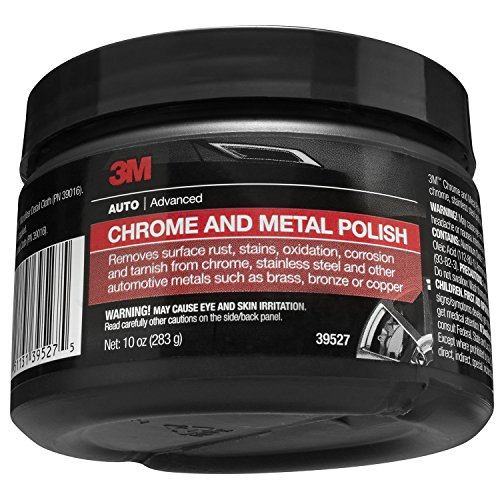
- Metal polish for chrome bumper with applicator pads


Before You Start
Prepare a clean workspace and ensure the vehicle is parked in a shaded area. Protect surrounding painted surfaces with painter’s tape and a soft cloth. Work in a well-ventilated area and wear protective gloves to prevent skin contact with cleaners. Allocate 45–90 minutes for the full process, depending on condition. Avoid harsh abrasives and steel wool as they can scratch chrome. If the bumper has heavy rust or pitting, consider professional refinishing.
Step-By-Step: How To Clean Chrome Bumpers
- Rinse the bumper with water to remove loose dirt and debris.
- Apply a small amount of chrome bumper cleaning product to a damp microfiber cloth.
- Wipe the surface in smooth, overlapping motions to lift grime without scratching.
- Rinse and wipe dry to prevent water spots.
- Apply a chrome bumper polishing kit’s compound with a fresh applicator pad.
- Buff in circular motions until a uniform shine appears.
- Switch to a clean microfiber pad to remove any residue.
- For oxidation, use the chrome bumper restoration kit with microfiber pads as directed by the package.
- Finish with a protective chrome polish to enhance shine and provide a barrier against future staining.
Troubleshooting
| Symptom | Likely Cause | Fix | Prevention |
|---|---|---|---|
| Streaks or hazy appearance | Residual polish or cleaner | Reapply with a fresh microfiber cloth and buff thoroughly | Wipe with clean water, dry completely before polishing |
| Scratches or dull spots | Improper abrasives or overzealous scrubbing | Limit to recommended compounds and pads; switch to softer pads | Use only chrome-safe products designed for bumper finishes |
| Rust appearing after cleaning | Exposure to moisture or pitting | Treat with rust-inhibiting product; consider professional refinishing | Dry promptly after washing; store vehicle in dry conditions |
| Uneven shine | Uneven application or insufficient buffing | Reapply polish with even pressure and longer buffing | Follow product instructions for curing times |
Common Mistakes
- Using abrasive cleaners or steel wool on chrome surfaces
- Aggressively scrubbing, which can scratch or dull the finish
- Skipping a thorough rinse, leaving residues that attract dirt
- Neglecting to dry completely, leading to water spots and corrosion over time
Tips For Best Results
- Test cleaners on a small, inconspicuous area first to ensure compatibility.
- Work from top to bottom to avoid recontaminating clean sections.
- Use a dedicated buffing pad for polishing to prevent cross-contamination with other residues.
- Apply a protective chrome-safe sealant after polishing to preserve the finish longer.
Call A Professional
Certain situations warrant professional help. If the bumper shows deep pitting, heavy corrosion, or structural damage, or if chrome plating has bubbled or peeled, contact a qualified auto detailing technician or body shop. Seek expert assistance when refinishing or restoring the bumper’s chrome finish becomes beyond DIY scope.
FAQ
What is the best order for cleaning and polishing chrome bumpers?
Begin with a gentle cleaner to remove dirt, rinse and dry, then apply polish, and finally buff to a high shine.
Can I use household cleaners on chrome bumpers?
Household cleaners can be too harsh or leave residues; use products specifically formulated for chrome and bumper finishes.
How often should I clean chrome bumpers?
Regular quick cleanings after heavy use or winter months help prevent buildup and maintain shine.
Is it safe to buff chrome bumpers at home?
Yes, with proper tools and soft pads, but avoid harsh abrasives and follow product instructions carefully.
Buying Guide
When selecting products for chrome bumper care, consider the following factors to ensure effective cleaning and restoration without damage.
- Size and coverage: Choose a polishing or cleaning kit with a pad size and liquid quantity suitable for bumper surfaces.
- Cleaning vs. polishing: Use separate products for cleaning grime and polishing to avoid cross-contamination of residues.
- Polish formulation: Look for corrosion inhibitors and protective polymers that enhance shine and provide a barrier against moisture.
- Applicator pads: Soft microfiber or foam pads reduce the risk of scratching and achieve an even finish.
- Restoration capabilities: For oxidized chrome, a restoration kit with microfiber pads can improve appearance and longevity.
- Ease of use: Pre-soaked wipes or all-in-one kits can streamline maintenance for casual users.
- Maintenance routine: Regular cleaning plus periodic polishing yields the best long-term results.
Choosing the right combination depends on bumper condition, desired level of restoration, and how often maintenance will occur. Are you aiming for a showroom shine or a durable, weather-resistant finish? Understanding the condition and goals helps identify the best kit or combination of products for durable chrome bumper care.