Urine odors on upholstered furniture are common in homes with pets, especially puppies or elderly cats. Effective removal relies on removing both the source of the odor and any lingering moisture, then neutralizing the scent to prevent repeat accidents. The following guide provides practical steps and product suggestions to restore freshness to couch fabric.
For best results, act quickly after a spill and follow a consistent cleaning method. Persistence matters because urine can seep into cushions and padding, which may require multiple treatments.
Quick Answer
Act fast, blot excess liquid, apply an enzyme-based cleaner, allow it to work, then rinse and dry thoroughly. If odors persist, repeat with a fabric-safe steam clean and finish with odor-neutralizing spray.
What You’ll Need
- Pet urine enzyme cleaner for couch upholstery 32 oz
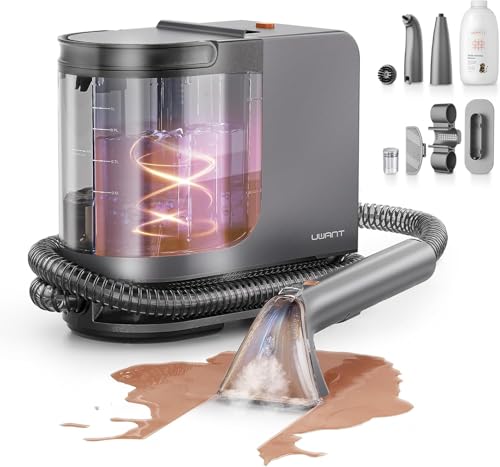
- Upholstery steam cleaner for pet stains and odors
- Enzyme-based pet odor remover spray for couch fabric
- Portable fabric extractor for upholstery cleaning pet urine
- Ultra scrub brush for upholstery cleaning pet urine


Before You Start
Before beginning, test any cleaner on a hidden area of the couch to check for colorfastness and fabric compatibility. Ensure good ventilation and wear gloves to protect skin. Move cushions aside and situate fans to speed drying. If the upholstery has a non-removable lining or stuffing, extra care is needed to avoid over-wetting. Never mix cleaners or apply heat to set odors.
Step-By-Step: How To Remove Pet Urine Odors From Couch Fabric
- Blot the area with a clean, dry cloth to absorb as much liquid as possible without rubbing it in.
- Apply the enzyme-based pet odor remover spray for couch fabric directly to the stained area, covering beyond the visible spot to reach hidden fibers.
- Let the enzyme cleaner sit for the recommended contact time to break down organic material and neutralize odors.
- Gently scrub with the ultra scrub brush to lift any embedded residue from fabric fibers, then blot again to remove moisture.
- Use the portable fabric extractor for upholstery cleaning pet urine to suction out loosened material and excess moisture.
- When the area is damp but not soaked, reapply a light mist of the enzyme cleaner to ensure full coverage and prevent lingering odors.
- Allow the cushion and fabric to air-dry completely. If possible, place a fan or dehumidifier nearby to speed drying.
- Once dry, test for odor. If still noticeable, repeat treatment or use an odor remover spray formulated for couches.
- For persistent smells, consider a second cleaning cycle with an upholstery steam cleaner for pet stains and odors, following the device’s safety guidelines.
- Reassemble cushions and monitor for any recurring odor over the next several days. Consider placing a washable cover to simplify future cleanups.
- Periodic maintenance with a pet odor remover spray on high-risk areas can help prevent repeat incidents.
Troubleshooting
| Symptom | Likely Cause | Fix | Prevention |
|---|---|---|---|
| Odor returns after cleaning | Residual urine trapped in padding | Repeat cleaning and consider fabric extractor treatment | Use a protective cover and train pets |
| Discoloration after cleaner | Fabric sensitivity or dye bleed | Test in hidden area; switch to a milder cleaner | Always test before full application |
| Fabric feels damp long after cleaning | Over-wetting | Increase ventilation and use dehumidifier; blot and dry | Apply cleaner in light layers |
| Stiff fabric after drying | Residue from cleaners | Rinse with clean water and blot thoroughly | Follow cleaner’s rinsing guidance |
| Persistent pet scent despite cleaning | Odor trapped in cushions | Consider professional upholstery cleaning | Regular preventive cleaning |
Common Mistakes
- Using only water or mild soap without enzyme cleaners
- Waiting too long to treat a fresh spill
- Over-wetting cushions or padding
- Rubbing aggressively, pushing urine deeper into fibers
- Neglecting to test cleaners on fabric first
Tips For Best Results
- Address accidents promptly; even a few hours can make cleanup easier.
- Prefer enzyme-based cleaners designed for pet urine on upholstery to break down organic material effectively.
- Use a two-step approach: enzymatic cleaning followed by odor-neutralizing spray.
- Dry thoroughly with air circulation to prevent mold and mildew growth.
- Protect the couch with washable covers or throws in areas frequently visited by pets.
Call A Professional
Seek professional help if odors persist after multiple cleanings or if the urine has soaked into dense cushions or the frame. Signs to contact a pro include prolonged dampness, persistent dye transfer, or suspicion of prolonged moisture affecting structural components.
FAQ
Can I use household vinegar to remove pet urine odor?
Vinegar can help neutralize odors but should be used with caution on delicate fabrics and always diluted. Test a hidden area first.
How long does it take for the couch to dry after cleaning?
Drying time varies with humidity and airflow, typically several hours to 24 hours. Use fans or a dehumidifier to speed up drying.
Is steam cleaning safe for all couches?
Steam cleaning is effective for many fabrics but may not be suitable for delicate or glued fabrics. Check the manufacturer’s care label and follow device guidelines.
Should I replace cushions after a urine odor?
Only if the odor remains after thorough cleaning or the padding is compromised. Replacing cushions can prevent recurring odors.
How often should I clean pet-prone furniture?
Regular spot cleaning and periodic deep cleaning with enzyme-based products help maintain freshness, especially in homes with frequent accidents.
Buying Guide
When shopping for products to remove pet urine odors from couches, consider size, compatibility with upholstery, and the type of odor you’re targeting. A combination approach—enzyme cleaners, odor removers, and a portable extractor—can offer robust results without professional service.
Key buying factors
- Size and coverage: A 32 oz bottle of enzyme cleaner provides ample reach for multiple treatments on average-size couches.
- Odor-neutralizing power: Choose products specifically labeled for pet odors and enzyme-based action for deeper cleaning.
- Fabric compatibility: Ensure cleaners are safe for upholstery fabrics and do not affect dyes or finishes.
- Cleaning tools: A portable fabric extractor complements enzyme cleaners by removing moisture and residue.
- Scrubbing and agitation: An appropriate brush helps lift embedded particles without damaging fibers.
- Ease of use: Look for clear instructions, safety notes, and compatibility with your steam cleaner if you plan to use one.
Comparison perspectives
- Enzyme cleaners vs. spray fresheners: Enzymes break down urine molecules; sprays primarily mask odors.
- DIY kits vs. professional services: DIY is cost-effective but may require multiple applications; professionals handle deep-seated issues.
- Steam cleaning vs. spray cleaners: Steam can lift residues but may over-wet; sprays offer targeted treatment with minimal moisture.