Chalk markers are popular for whiteboards, glass, and chalkboard surfaces, offering bold colors and easy cleanup. However, smudges, ghosting, and stubborn stains can occur. This guide provides practical steps and tools to remove chalk marker residue effectively while protecting surfaces.
Quick Answer
Quick method: Spray a chalk marker cleaner or dry erase board cleaner on the stained area, wipe with a microfiber cloth, and repeat as needed. For stubborn marks, use chalk pen ink remover on the surface, then wipe clean.
What You’ll Need
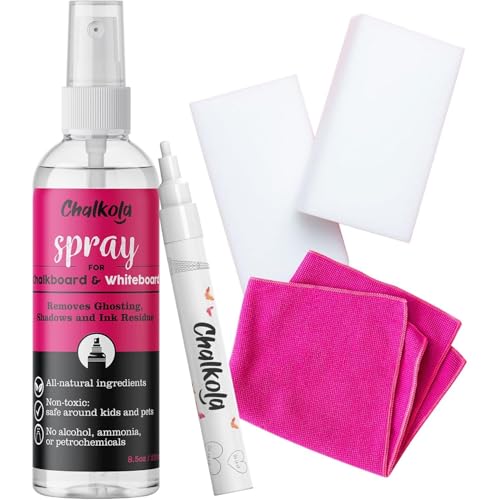
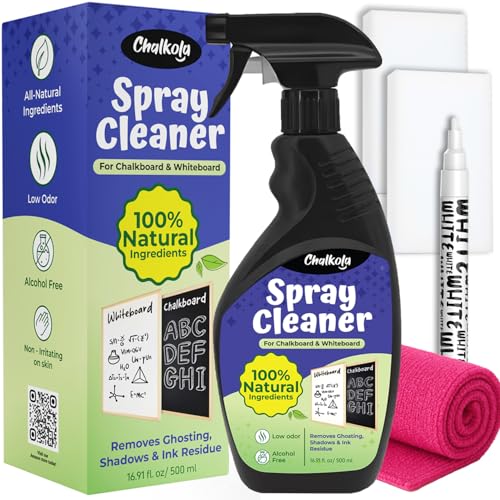
- chalk marker cleaner spray bottle
- chalk marker stain remover wipes
- microfiber cloth for chalk marker cleanup
- dry erase board cleaner spray for chalk markers
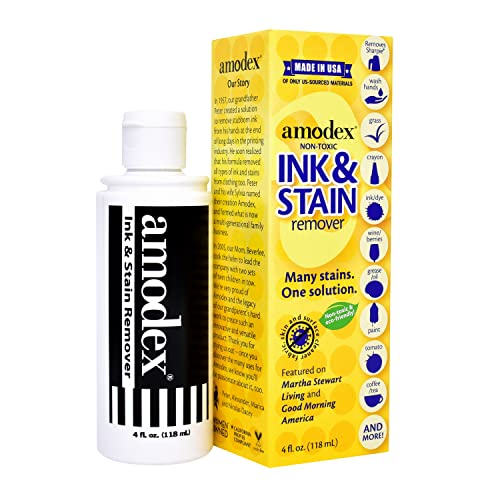
- chalk pen ink remover for surfaces
Before You Start
Prepare a small, inconspicuous test area to ensure the cleaner does not alter colors or surface finish. Work in a well-ventilated space and wear gloves if you have sensitive skin. Time estimates vary by surface: most cleanups take 5–15 minutes, but heavily stained areas may take multiple passes.
Cautions: Avoid abrasive scrubbers on delicate surfaces; never mix cleaners with bleach or ammonia; test first on non-visible areas.
Step-By-Step: How To Clean Chalk Marker Marks From Surfaces
- Lay a microfiber cloth on a flat surface and gather your cleaners and wipes.
- Apply chalk marker cleaner spray directly to the stained area until it is evenly damp.
- Wipe in vertical or circular motions with a microfiber cloth to lift the ink.
- If ghosting remains, use chalk marker stain remover wipes to target residual marks.
- For persistent ink, apply chalk pen ink remover for surfaces following the product instructions, then wipe clean.
- Rinse with a light mist of water if the surface tolerates moisture, and blot dry with a clean cloth.
- Repeat steps 2–4 as needed until the surface looks clean and residue-free.
- Finish with a final wipe using a dry microfiber cloth to remove any remaining moisture.
- Test the area under different lighting to confirm no remaining ghosting or streaks.
- Return the surface to normal use once fully dry and clear of residue.
Troubleshooting
| Symptom | Likely Cause | Fix | Prevention |
|---|---|---|---|
| Streaks after cleaning | Residual ink or improper wiping | Wipe with fresh microfiber cloth using cleaner, repeat if needed | Clean small areas at a time to prevent buildup |
| Faint color changes on surface | Harsh cleaner or dye interaction | Test cleaners first; switch to milder spray | Use products labeled safe for your surface |
| Ink reappears after drying | Deep-set ink in porous material | Apply ink remover and wipe; allow to dwell briefly if product allows | Avoid porous surfaces for chalk markers |
| Surface feels sticky | Residue from wipes or cleaners | Rinse area with a light water mist and wipe dry | Finish with a clean dry cloth |
Common Mistakes
- Using harsh solvents on delicate surfaces, which can dull finish
- Over-wetting the area, leading to smearing or warping
- Skipping a test patch, risking color alteration
- Rubbing too aggressively, which can spread ink further
Steer clear of these to keep surfaces looking like new and reduce cleanup time.
Tips For Best Results
- Work from the edge of the mark toward the center to prevent spreading ink.
- Keep a dedicated microfiber cloth for chalk marker cleanup to avoid cross-contamination with other cleaners.
- Store cleaners in a cool, dry place and label them clearly to prevent mix-ups.
- For regularly used whiteboards or glass, perform routine cleanups weekly to minimize buildup.
- If you notice ghosting after cleaning, consider a light CAUTION-free recoat with a compatible board conditioner if your surface supports it.
Call A Professional
Seek professional help if the chalk marker stain penetrates into porous surfaces like painted wood or unfinished chalkboards, or if cleaning products cause discoloration, bubbling, or etching. Do not attempt aggressive solvent use on antique or heirloom boards.
FAQ
What’s the best cleaner for chalk marker residue?
The best option is a dedicated chalk marker cleaner spray or a dry erase board cleaner spray designed for marker ink.
Can I use regular household cleaners?
Some household cleaners work, but test first; avoid bleach or ammonia on sensitive surfaces.
Are wipes enough to remove chalk marker stains?
Wipes help with light or fresh marks, but stubborn stains may require a dedicated cleaner or ink remover.
How often should I clean chalk marker boards?
For high-use surfaces, clean weekly; for occasional use, clean as needed when marks become ghosted or hard to wipe away.
Is chalk marker ink remover safe on glass?
Yes, when used as directed on non-porous glass surfaces.
Will cleaning damage dry erase boards?
Choose products labeled safe for dry erase boards and non-porous surfaces to minimize risk.
Can I restore ghosted areas to white again?
Yes, with repeated cleaning and, if needed, a gentle polish or conditioner suitable for the surface.
Buying Guide
When choosing products for cleaning chalk marker residue, consider size, performance, and surface compatibility. Look for a cleaner that tackles ink effectively without harsh solvents. Noise level and energy use are not typically factors for these cleaning tools, but ease of use matters. Consider the following factors:
- <bSize: Choose a spray bottle or wipes set that fits your cleaning routine and workspace.
- <bNoise level: Not applicable to sprays or wipes, but quieter formulas are easier in shared spaces.
- <bEnergy efficiency: Not relevant for manual cleaning tools.
- <bControls: Simple spray or pre-moistened wipe for quick cleanup.
- <bPlacement: Store cleaning supplies near whiteboards or glass surfaces for fast access.
For a multi-surface approach, pair chalk marker cleaner spray bottle with microfiber cloths to cover most cleanup scenarios. If you frequently deal with stubborn stains, keep chalk marker stain remover wipes and chalk pen ink remover for surfaces on hand. Consider a dedicated spray bottle for chalk markers and a separate wipe option to minimize cross-contamination.