Reef sandals are a staple for warm-weather wear, beach trips, and casual days by the water. Proper cleaning extends their life and preserves their color and comfort. This guide presents a clear, step-by-step method using common cleaning products to refresh your reef sandals without causing damage.
The process blends simple surface care with gentle cleaning agents to remove dirt, salt, and odor. By following these steps, you can keep your sandals looking as good as new while maintaining foot-friendly hygiene in everyday use.
Quick Answer
Brush off loose dirt, rinse with warm water, apply a gentle cleaner or mild soap, scrub with a soft bristle brush, rinse again, and air-dry away from direct heat. For tough stains or odors, use an enzyme sneaker cleaner or a delicate footwear cleaning kit, then condition with a microfiber cloth to finish.
What You’ll Need
- Soft bristle shoe cleaning brush sandals or a soft-bristled brush suitable for rubber and fabric surfaces
- Microfiber cloth for cleaning sandals for wiping and drying without lint
- Enzyme sneaker cleaner for footwear for tackling organic stains and odors
- Delicate footwear cleaning kit as a gentle all-in-one option for sensitive materials
- Mild soap for rubber sandals such as dish soap or hand soap diluted in water
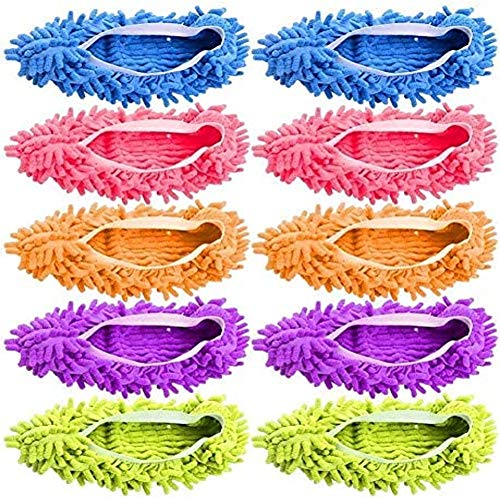


Before You Start
Inspect the sandals for wear, loose straps, or damaged soles before cleaning. Water and cleaning agents can loosen adhesives on worn footwear, so avoid aggressive scrubbing on fragile areas. Work in a well-ventilated space and protect nearby surfaces from soap residue. Time estimate: 15–30 minutes for normal cleaning; 30–45 minutes if odor removal is needed. Critical cautions: do not machine-wash, avoid high heat that can warp materials, and never use abrasive cleaners that can scratch or degrade rubber and fabric.
Step-By-Step: How To Clean Reef Sandals
- Remove any loose debris from the sandals by tapping them together and brushing with a soft bristle shoe cleaning brush sandals.
- Rinse the sandals under lukewarm water to loosen surface dirt, focusing on the footbed where sweat and oils accumulate.
- Prepare a cleaning solution with a mild soap for rubber sandals diluted in water. A few drops in a small cup work well for targeted cleaning.
- Dip the microfiber cloth for cleaning sandals into the soapy mixture and wipe down the straps and sole, using gentle, circular motions.
- For stubborn stains, apply a small amount of enzyme sneaker cleaner for footwear to a clean cloth and gently treat the affected area. Let it sit for a brief moment before scrubbing.
- Use the soft bristle shoe cleaning brush sandals to scrub the footbed in a circular pattern, paying extra attention to textured surfaces where grime hides.
- Rinse thoroughly with clean water to remove all soap and cleaner residues. Remove excess water by blotting with a dry microfiber cloth.
- Air-dry the sandals away from direct sunlight or heat sources to prevent warping or color fading. If possible, stuff the straps with a cloth to help retain shape during drying.
Troubleshooting
| Symptom | Likely Cause | Fix | Prevention |
|---|---|---|---|
| Soap residue stays after rinse | Insufficient rinsing | Rinse again thoroughly, then wipe dry | Rinse immediately after cleaning |
| Foul odor remains | Odor-causing bacteria in footbed | Apply enzyme cleaner and air-dry completely | Clean regularly; dry sandals between wears |
| Discolored straps | Sun exposure or harsh cleaners | Use a gentle cleaner and avoid prolonged sun exposure | Store in shade and use mild products |
| Stubborn stains on rubber | Deep-set grime | Reapply enzyme cleaner and scrub with soft brush | Clean soon after wearing to prevent setting |
Common Mistakes
- Using heavy-duty scrubbers that scratch rubber and fabric
- Soaking sandals for long periods, which can loosen adhesives
- Drying in direct sun, which fades color and dries out materials
- Neglecting the footbed, leading to persistent odors
Tips For Best Results
- Test cleaners on a small inconspicuous area first to ensure colorfastness.
- Use a dedicated microfiber cloth for dry, final polishing to remove any remaining moisture and lint.
- For frequent use in water-rich environments, consider a lightweight protective spray rated for rubber sandals after cleaning.
- Regular maintenance—quick wipe-down after use—prevents buildup and simplifies full cleans.
- Store sandals in a cool, dry place with good air circulation to minimize odors.
Call A Professional
Contact a professional if sandals show persistent cracking, separated soles, or severe adhesive failure. Stop cleaning and seek help if any chemical exposure causes skin irritation, or if the sandals are part of a high-end or specialty line with manufacturer-specific care guidelines.
FAQ
Can I machine-wash reef sandals?
No. Machine washing can damage adhesives and fabrics; hand cleaning with mild soap is preferred.
Is enzyme sneaker cleaner safe on all materials?
Most are safe for rubber and fabric, but test first on a small area and read the label for material-specific guidance.
How often should I clean my reef sandals?
Clean weekly if worn daily in wet conditions; quick wipe-downs after use help keep odor and grime at bay.
What if my sandals still smell after cleaning?
Apply enzyme cleaner to the footbed, ensure complete drying, and consider a brief airing with baking soda in a breathable bag between wears.
Can I use vinegar or baking soda for odor?
Use sparingly and only after testing on a hidden area; some materials may react poorly to acidic or abrasive agents.
Should I condition the sandals after cleaning?
Lightly buff with a microfiber cloth; conditioning is optional and depends on material sensitivity.
What if straps are loose after cleaning?
Inspect for wear and consult a professional if adhesion or stitching appears compromised; avoid wearing until repaired.
Are reef sandals suitable for summer hiking?
They can be comfortable for light, casual use, but avoid rugged terrains and heavy water exposure that may degrade materials.
Buying Guide
When choosing products to clean reef sandals, consider size compatibility, noise level, energy efficiency, controls, and placement. For cleaners, prioritize gentle formulations that are safe for rubber and fabric, with enzymes or delicate kits for odor control. A dedicated cleaning brush preserves surface texture, while microfiber cloths prevent lint and scratches. If odor is a recurring issue, look for enzyme-based solutions designed for footwear.
Think about your typical environment: beach trips, poolside use, or city wear. A compact kit with a soft brush, microfiber cloth, and a mild soap option offers versatility. If you prefer fewer steps, opt for a delicate footwear cleaning kit that covers multiple material types. Consider storage needs—keep cleaners in a cool, dry place away from direct sunlight to extend their effectiveness.
Finally, assess any brand-specific care guidance for reef sandals. Following manufacturer recommendations helps maintain warranty coverage and product integrity while ensuring the best possible cleanliness and longevity.