Healthy cedar wood maintains its color, resists moisture, and stays attractive for years. This guide walks American homeowners through safe, effective methods to clean and refresh cedar surfaces, whether it’s outdoor furniture, decks, or indoor paneling. By following practical steps and using purpose-built cedar care products, users can extend the life of cedar without damaging its natural oils and grain.
Regular cleaning is essential, especially after winter, seasons of rain, or exposure to pollen and mold. The approach below emphasizes gentle cleaning, suitable dwellings, and safe handling of all materials involved.
Quick Answer
Quick Method: Start with a cedar wood cleaner spray for outdoor furniture to lift dirt, then apply a cedar deck cleaner and brightener to restore color. If the piece is dry, follow with a cedar wood conditioner oil for furniture. Rinse, dry, and buff with a microfiber cloth for cedar wood polishing.
What You’ll Need
- Cedar wood cleaner spray for outdoor furniture
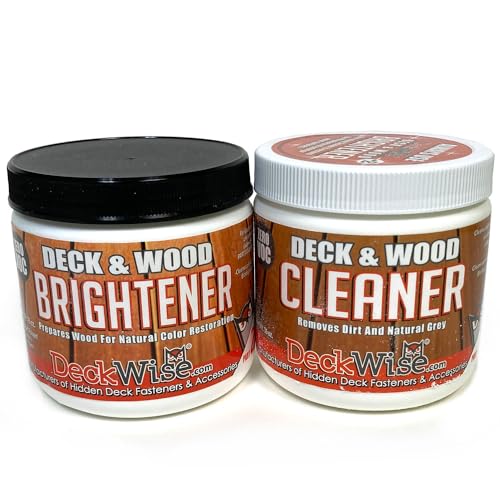
- Cedar deck cleaner and brightener
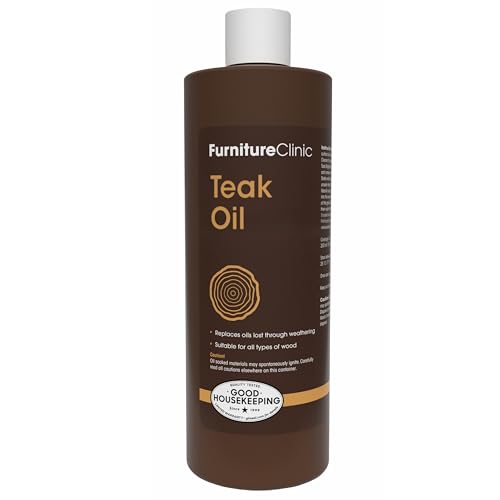
- Cedar wood conditioner oil for furniture
- Soft bristle brush for cedar deck cleaning
- Microfiber cloth for cedar wood polishing

Before You Start
Inspect surfaces for loose boards, splinters, or mold growth. Work on a shaded, dry day to prevent premature drying. Protect nearby plants and use a drop cloth on landscaping or siding. For safety, wear gloves and eye protection, and follow product labels closely. Time estimates: about 1–2 hours for a small deck, up to half a day for larger projects, including drying time.
Important cautions: Do not use aggressive pressure washing on soft cedar surfaces; it can raise grain and cause damage. Test cleaners on a small inconspicuous area first. Ensure proper ventilation when using chemical cleaners.
Step-By-Step: How To Clean Cedar Wood
- Prepare the area by removing furniture and debris, then cover nearby plants. Inspect for damage and repair if needed.
- Apply the cedar wood cleaner spray for outdoor furniture evenly across the surface following label guidance. Allow it to dwell for the recommended time to loosen dirt.
- Gently scrub with a soft bristle brush for cedar deck cleaning in circular motions, focusing on stubborn spots without gouging the wood.
- Rinse thoroughly with clean water, using a low-pressure soak to avoid warping. Let the surface dry completely before next steps.
- Apply the cedar deck cleaner and brightener to restore color and brighten weathered boards. Work in sections and follow the product’s dwell time for best results.
- Rinse again to remove residual cleaner and brighten any remaining dull areas. Allow the surface to dry fully.
- If the wood appears dry or pale after cleaning, apply a cedar wood conditioner oil for furniture. Use a clean cloth to rub the oil into the grain, moving with the wood’s direction.
- Wipe off any excess oil with a dry microfiber cloth to prevent a sticky finish. Buff lightly to bring out natural luster.
- Inspect the finish and repeat conditioning only as needed—typically every 6–12 months depending on climate and exposure.
- Return furniture or deck items, ensuring everything is completely dry before use. Periodic light cleaning can help maintain appearance between deep cleans.
- Document maintenance: note dates, products used, and results to guide future care cycles.
Troubleshooting
| Symptom | Likely Cause | Fix | Prevention |
|---|---|---|---|
| Faded or dull cedar after cleaning | Insufficient brightening or wrong product | Reapply cedar deck cleaner and brightener following label directions | Test products first; use proper dwell times |
| Sticky residue after oiling | Over-application or not buffed dry | Wipe with microfiber cloth and let dry; reapply sparingly | Apply thin coats and fully dry between steps |
| Grain raising after cleaning | Harsh cleaners or high-pressure rinsing | Switch to gentler cleaner and low-pressure rinse | Avoid pressure washers on cedar |
| Patchy color after brightening | Uneven application or inconsistent surface | Reapply in sections, ensure thorough saturation and even drying | Prepare surface evenly before treating |
Common Mistakes
- Using vinegar or other DIY cleaners that strip cedar oils; prefer product-specific cleaners
- Over-wetting wood or using high-pressure water which raises grain
- Skipping drying time between steps, leading to trapped moisture
- Not testing cleaners on a hidden area before full application
Tips For Best Results
- Work in the shade on a dry day to prevent rapid drying and uneven results
- Choose a cedar wood conditioner oil formulated for furniture to protect grain without darkening excessively
- Follow manufacturers’ dwell times for each product to maximize effectiveness
- Always wipe in the direction of the wood grain to maintain a natural look
Call A Professional
When cedar surfaces show severe mold growth, deep stains that resist cleaning, or structural damage like rot, consult a professional. Do not attempt to seal or stain damaged wood without assessment. Immediate professional help is advised for extensive deck renovations, large outdoor furniture restoration, or when unfamiliar products are required for delicate finishes.
FAQ
Can I use any wood cleaner on cedar?
Only cleaners labeled for cedar or exterior wood are recommended to avoid damage to the natural oils and color.
Is it safe to use a brush on cedar decks?
A soft bristle brush is preferred to avoid scratching the surface while lifting dirt and grime.
How often should cedar furniture be cleaned and conditioned?
Clean seasonally and condition every 6–12 months, depending on climate and exposure.
What’s the best order for cleaning cedar surfaces?
Clean with a cedar wood cleaner spray, brighten with a cedar deck cleaner and brightener, then condition with cedar wood conditioner oil if needed.
Is there a risk of color change after cleaning?
Yes, improper cleaners or over-brighting can alter color; test first and follow product guidelines.
Buying Guide
When choosing cleaning and care products for cedar, consider size, odor, and ease of use. The right combo should clean effectively, brighten grain, and protect wood without leaving a sticky residue. Look for products that are labeled safe for exterior cedar and compatible with outdoor finishes. Noise and energy considerations are less relevant for cleaning tasks, but ease of application, drying time, and surface safety matter. Consider whether you want a one-step cleaner and brightener or separate products for cleaning and conditioning.
Key buying factors include:
- Size and packaging: Choose a size that matches your project scope and storage space
- Effectiveness: Look for cedar-specific cleaners and brighteners with clear dwell times
- Compatibility: Ensure conditioners are suitable for furniture-grade cedar finishes
- Ease of use: Prefer spray bottles or easy-apply liquids over concentrate formulations
- Finish compatibility: If finishing, select products that don’t interfere with subsequent sealants or stains
Considering these factors helps homeowners select products that deliver consistent results, protect cedar’s natural beauty, and extend the life of outdoor wood features.