Cat spray can leave stubborn stains and lingering odors on walls, especially in rooms with high traffic or near litter areas. This guide provides practical, step-by-step instructions tailored for American homes to remove feline urine marks effectively while preserving wall finishes.
Quick Answer
Identify the affected area, blot excess urine, and apply an enzyme cleaner designed for cat urine. Use a scrub brush for textured surfaces, followed by microfiber cloths to wipe and dry. Reapply odor-control products as needed and vent the space to speed drying.
What You’ll Need
- enzyme cleaner for cat urine walls
- pet odor remover spray for walls
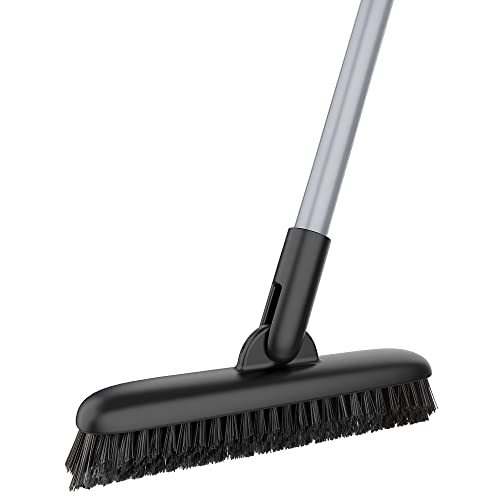
- scrub brush for pet urine walls
- microfiber cloth wall cleaning cat spray
- wall stain remover for cat urine drywall


Before You Start
Wear gloves and eye protection when handling cleaning solutions. Test any product in a small, inconspicuous area of the wall to check for discoloration or damage. Work from the top down to prevent drips and ensure complete coverage. Plan for a drying period of 1–6 hours depending on ventilation and wall material. Avoid using ammonia-based cleaners as they can attract pets back to the same spot.
Step-By-Step: How To Clean Cat Spray Off Walls
- Locate the full extent of the spray mark and gently blot with a dry microfiber cloth to remove surface moisture.
- Apply an enzyme cleaner for cat urine walls to the affected area, following the product’s label directions for dwell time.
- Avoid scrubbing aggressively on painted walls to prevent damage; use a soft brush or sponge for textured surfaces.
- Gently scrub along the grain of the wall and work from the outside edges toward the center to minimize spreading.
- Rinse the area with a clean damp cloth to remove cleaning residue, then blot dry with a fresh microfiber cloth.
- For stubborn or set-in stains, apply wall stain remover for cat urine drywall and let it sit according to label instructions before wiping away.
- Reapply a pet odor remover spray for walls to neutralize any remaining odor molecules and improve long-term freshness.
- Ventilate the room by opening windows or turning on fans to speed drying and reduce odor renewal risk.
- If the odor persists, repeat the enzyme cleaner application and consider applying a second layer of odor control.
- Inspect after drying; if any staining remains, repeat steps or consider repainting the affected area if the finish was compromised.
- Clean surrounding area (baseboards, near outlets, and adjacent walls) to prevent cross-contamination and odor carryover.
- Dispose of used cloths and brushes in a sealed bag to prevent reinfection of cleaned areas.
Troubleshooting
| Symptom | Likely Cause | Fix | Prevention |
|---|---|---|---|
| Lingering odor after cleaning | Insufficient enzyme action or incomplete coverage | Reapply enzyme cleaner and extend dwell time | Clean and seal wall areas promptly after any spray incident |
| Discoloration on painted walls | Harsh cleaners or scrubbing | Switch to a milder cleaner and gentler scrubbing | Test in a hidden spot first |
| Streaks or blotchy patches | Residue left on wall | Rinse with damp cloth and blot dry thoroughly | Use minimal moisture and multiple passes |
| Spray returns after drying | Residual odor molecules | Repeat odor remover application and improve ventilation | Address source fragrance promptly |
Common Mistakes
- Using ammonia-based cleaners that attract cats back to the spot
- Scrubbing too hard on painted or wallpapered walls
- Neglecting to ventilate the area, prolonging drying time
- Skipping a patch test on delicate finishes
Following these cautions helps protect wall finishes while effectively removing urine residues.
Tips For Best Results
- Always start with blotting to remove moisture before applying cleaners
- Choose enzymatic cleaners designed specifically for pet urine for best odor control
- Work in the sequence: clean → rinse → dry → odor control
- Use microfiber cloths for excellent absorption and lint-free finish
- Consider a barrier spray after successful cleaning to deter future spraying
Call A Professional
Consult a pro if the wall material is highly absorbent (like untreated drywall) and odors persist after multiple cleaning attempts. Stop and seek help if the structural integrity of the wall appears compromised, or if you notice persistent mold or mildew growth beyond urine odors.
FAQ
Is it safe to use enzyme cleaners on all wall types?
Enzyme cleaners are generally safe for painted walls and sealed surfaces, but always test first on a hidden area.
How long should I wait after applying cleaner before cleaning again?
Follow the product label for dwell time; typically 5–15 minutes for enzymatic cleaners before blotting or rinsing.
Can I use a regular detergent to remove cat spray odors?
Regular detergents may not neutralize odor molecules effectively; enzymatic cleaners are preferred for odor control.
What if the stain is on drywall and not the paint?
Use a wall stain remover for cat urine drywall and allow to dry completely before repainting if needed.
Should I repaint after cleaning?
Repaint only if the stain or finish is damaged and cleaning cannot restore appearance.
Will air purifiers help reduce odor long-term?
Air purifiers with activated carbon can help reduce ambient odors alongside surface cleaning.
Buying Guide
When selecting products to remove cat spray from walls, consider factors such as ingredient type, surface compatibility, and odor-neutralizing efficacy. Here are key considerations to help shoppers compare options:
- Size and coverage: Look for bottles sized for multiple cleanings, especially in larger rooms.
- Enzymatic formula: Prioritize enzyme-based cleaners formulated for pet urine to address odor at the molecular level.
- Wall compatibility: Check product labels for suitability on painted walls, wallpaper, drywall, and textured surfaces.
- Odor control : Consider sprays that include deodorizing agents in addition to enzymes for faster odor neutralization.
- Ease of use: Choose products with clear instructions and minimal rinsing requirements to save time.
- Ventilation and safety: Prefer products with low VOCs and child/pet-safe usage guidelines.
- Application tools: If stains are stubborn, pairing cleaner with a scrub brush for pet urine walls can improve results.
- Repetition needs: Some stains require multiple applications; factor in the need for repeat treatments when budgeting time.
For best results, follow the instructions precisely, test on inconspicuous areas first, and maintain good room ventilation during cleaning. If in doubt, consult the product’s help resources or a professional cleaner experienced with pet stains.