Removing daily grime, sweat, and dead skin cells from the body is a routine part of personal care. This guide explains practical methods using common exfoliating tools to help you achieve smoother, cleaner skin without irritation.
Whether you’re preparing for a spa-like shower or simply refreshing your cleansing routine, the right technique and tools can make a noticeable difference in how clean your skin feels and how healthy it looks. The following steps focus on safe, effective practices for home use.
Quick Answer
Use a gentle exfoliating tool, cleanse with mild soap or body wash, rinse well, and moisturize. For stubborn dirt or dry skin areas, repeat with a light touch and avoid aggressive scrubbing that irritates the skin.
What You’ll Need
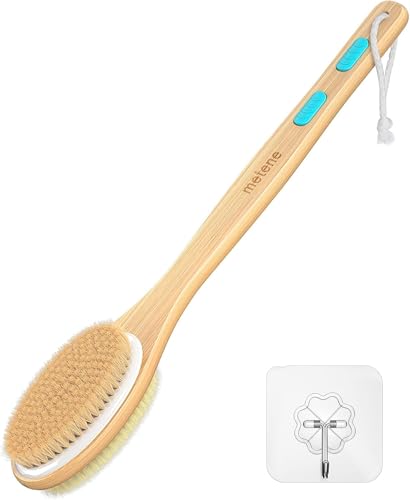
- exfoliating body brush with long handle natural bristles
- silicone exfoliating body scrubber shower brush
- loofah sponge bath pouf natural fiber
- exfoliating bath mitt nylon mesh scrubber
- double-sided exfoliating bath scrubber brush set


Before You Start
Prepare a clean shower or bath space and gather your tools. Test for sensitivity on a small area of skin before full-body use, especially if you have eczema, psoriasis, or shaved skin. Start with warm, not hot, water to avoid drying the skin. Plan a 10–20 minute routine and avoid scrubbing over tender areas like the face or any broken skin.
Step-By-Step: How To Clean Body Dirt With Exfoliating Tools
- Rinse skin with warm water to open pores and soften dirt.
- Apply a small amount of mild body wash to your exfoliating tool or directly to the skin.
- Gently move the exfoliating tool in circular motions over the body in sections, focusing on elbows, knees, and feet where dirt and dead skin accumulate.
- Rinse the tool frequently with warm water to remove buildup that could transfer back to skin.
- Use a light touch on sensitive areas; increase pressure gradually only if skin tolerates it well.
- Rinse skin thoroughly to remove all soap residues and loosened dirt.
- Pat skin dry with a clean towel and apply a moisturizer to lock in hydration.
- Rinse and dry your exfoliating tools after use and store them in a well-ventilated area to prevent mold.
- Repeat 2–3 times per week for best results, adjusting frequency based on skin type and tolerance.
- Regularly replace worn-out tools to maintain effectiveness and hygiene.
- For areas prone to roughness, such as the back or shoulders, consider a long-handle brush to reach difficult spots.
- If you notice redness or irritation, pause use and consult a dermatologist if symptoms persist.
Troubleshooting
| Symptom | Likely Cause | Fix | Prevention |
|---|---|---|---|
| Irritation after scrubbing | Overly aggressive technique or sensitive skin | Reduce pressure, switch to a gentler tool | Do not scrub over inflamed areas; use lukewarm water |
| Rash or itchiness after use | Allergic reaction to soap or material | Switch products; test on a small patch | Check ingredient lists for irritants |
| Tool dries and mold grows | Poor drying conditions | Rinse thoroughly and air-dry completely | Store in a dry, ventilated area |
| Back or shoulders remain dull | Insufficient exfoliation or technique gap | Use a long-handle tool and adjust motion | Rotate tools to distribute exfoliation |
Common Mistakes
- Using overly harsh pressure or stiff scrubbing brushes on delicate skin
- Exfoliating too often, which can strip natural oils and cause irritation
- Neglecting tool maintenance, leading to bacteria buildup
- Not rinsing away soap residue completely, causing dryness
To avoid these, choose the right tool for your skin type, follow a moderate schedule, and clean tools after each use.
Tips For Best Results
- Pair exfoliation with a moisturizing body wash or lotion to keep skin hydrated.
- Alternate tools to balance exfoliation: use a loofah sponge sparingly and reserve brushes for broader areas.
- Rinse the skin thoroughly and pat dry to minimize irritation.
- Store tools in a dry, well-ventilated place to extend their life.
Call A Professional
Seek professional advice if persistent redness, severe irritation, or signs of infection appear after exfoliation. Stop use and consult a dermatologist if conditions worsen or fail to improve within a week.
FAQ
Can I exfoliate every day?
Daily exfoliation is not necessary for most people; 2–3 times per week is usually enough. Adjust frequency based on skin tolerance.
Which tool is best for back cleaning?
A long-handle exfoliating brush or a double-sided scrubber set often works best for reaching the back and shoulders.
Should I exfoliate before or after washing?
Exfoliate after a brief soak or shower to soften skin, then wash away loosened debris.
How do I clean exfoliating tools properly?
Rinse after use, remove soap residue, air-dry completely, and replace tools every few months depending on wear.
Are natural fibers better than synthetic ones?
Natural fibers can be gentler for sensitive skin, while synthetic options may offer different textures. Choose based on skin response.
Is exfoliation safe for every skin type?
Most people can exfoliate safely, but those with active rashes, wounds, or certain skin conditions should consult a clinician first.
Buying Guide
Choosing the right exfoliation tools depends on several factors. Consider size and reach for areas like the back; look for comfortable grips and long handles to minimize strain. Noise level is rarely a concern for most devices, but consider ergonomics if you have limited mobility. Energy efficiency is generally not a factor for manual tools, but powered brushes should offer adjustable speeds and a long-lasting battery. Controls should be intuitive, with clear on/off and speed settings. Placement matters for hygiene; store tools in a dry, well-ventilated area and consider keeping spare tools on rotation to maintain hygiene. When comparing products, weigh the balance of exfoliation effectiveness versus skin sensitivity, durability, and ease of cleaning. For households with shared bathrooms, a silicone scrubber may resist mold better than natural fibers, while double-sided brush sets provide versatility for different body areas. Above all, test a tool with your favorite body wash to ensure comfort and compatibility for your routine.