Carpet stains are a common household bother, but with the right approach, most spills disappear without a trace. This guide outlines practical steps, tools, and tips to tackle stains effectively across different carpet types and common messes.
Whether dealing with coffee, pet messes, or food spills, a structured approach helps prevent setting stains and damage to fibers. The plan below combines proven cleaning agents, ergonomic tools, and safe techniques suitable for American homes.
Quick Answer
Effective stain removal in six steps: blot, apply a stain remover suited to the stain, scrub lightly with a carpet brush, blot again to lift, rinse if needed, and allow to dry thoroughly. For stubborn stains, repeat and consider a deeper clean with a portable extractor.
What You’ll Need
The following tools and products cover common stain types and carpet fibers. Use the items as needed and in the recommended order.
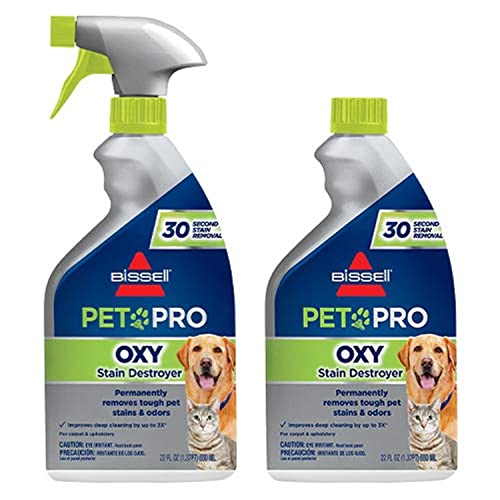
- Enzyme carpet stain remover spray 32 oz
- Oxygen bleach carpet stain remover gel 24 oz
- Carpet stain remover powder 32 oz
- Carpet cleaning brush set for stain removal
- Portable carpet cleaning machine extractor 2.5 gal


Before You Start
Clear the area of furniture and blot any fresh spills to prevent spreading. Test any cleaner on a hidden spot to check colorfastness and fiber compatibility. Work from the outside of the stain toward the center to minimize spreading. Wear gloves and ensure good ventilation. Time estimates vary by stain type but plan for at least 20–60 minutes for spot cleaning and up to a few hours if a deep clean is required.
Step-By-Step: How To Clean Carpet Stains
- Identify the stain type and select a cleaner suited for it (enzyme for organic stains like pet, fruit; oxygen bleach for color-safe whitening; powder for general purpose dry prep).
- Blot the spill with a clean cloth or paper towel, working from the outside edge inward to prevent spreading.
- Apply cleaner to the stained area in a light, even layer. Avoid over-wetting, which can push stain deeper.
- Agitate gently with a carpet brush set or soft brush to lift the fibers and loosen the stain. Let the cleaner sit per label instructions where required.
- Rinse or blot to remove residue. For enzymatic cleaners, neutralize if recommended, and avoid leaving sticky residues behind.
- Extract moisture using a portable extractor if available, or blot with towels and allow to air-dry. Repeat as needed for stubborn areas.
- Repeat treatment for persistent stains, and consider a second pass with a different product if compatible with the carpet.
- Dry thoroughly once the stain is removed, then vacuum to restore pile texture and prevent re-soiling.
- Assess for odor or halos after drying; apply a fresh coat of cleaner or a deodorizing rinse if necessary.
- Deep clean periodically with a portable extractor for high-traffic areas to maintain long-term cleanliness and carpet life.
Troubleshooting
| Symptom | Likely Cause | Fix | Prevention |
|---|---|---|---|
| Stain reappears after drying | Residual stain or improper extraction | Repeat cleaning cycle with extractor; ensure thorough rinsing | Blot promptly; treat spills immediately |
| Discoloration after cleaning | Bleach or harsh cleaner on wrong fiber | Rinse with clean water; test spot; avoid incompatible products | Know carpet fiber type before cleaning |
| Sticky residue remains | Residue from cleaner or powder | Rinse or vacuum thoroughly; use minimal product per area | Follow label directions precisely |
| Fibers matted or stiff after cleaning | Over-wetting or harsh scrubbing | Use light agitation and allow ample drying time | Use correct brush and avoid excessive moisture |
Common Mistakes
- Using hot water on protein-based stains, which can set them
- Over-wetting the carpet, leading to pad damage and mildew
- Using bleach on colored carpets or delicate fibers
- Rubbing aggressively, which grinds stain deeper into fibers
Tips For Best Results
- Always blot, never rub, to limit fiber damage.
- Test cleaners on a hidden area before applying to visible spots.
- Work from the outside in to prevent spreading the stain.
- Use enzyme cleaners for organic stains to break down proteins effectively.
- For persistent odors, consider a deodorizing rinse after stain removal.
Call A Professional
Schedule a professional carpet cleaning if stains cover a large area, the carpet is heavily soiled, or there are persistent odors after multiple cleanings. Seek help immediately for pets or children if there is ongoing staining or health concerns. If there are damaged fibers, backing, or underlying padding issues, a pro can assess and repair safely.
FAQ
Can I mix different cleaners on the same stain?
Generally, avoid mixing cleaners unless the product instructions permit it. Some combinations can cause chemical reactions or fumes.
Is enzymatic cleaner safe for all carpet types?
Enzymatic cleaners work well on organic stains but always test on a hidden area and follow fiber-specific recommendations.
How long does it take for a carpet to dry after cleaning?
Drying time varies with airflow, carpet thickness, and humidity, but most rooms dry within 2–6 hours. Improve air circulation with fans or open windows.
Should I use a steam cleaner for stains?
Steam can help, but it may push some stains deeper if not used correctly. Combine with recoating cleaners and careful blotting for best results.
What’s the best order for cleaning multiple stains?
Address the most recent or most visible stains first, then proceed to tougher or older spots to reduce spread.
Do I need to vacuum after cleaning?
Yes. Vacuum after drying to lift fibers and remove any remaining residues for a clean finish.
Buying Guide
When choosing stain removal tools and cleaners, consider several factors to optimize results and protect carpet fibers.
Key Buying Factors
- <bSize and type of stain: Smaller spots respond well to spot cleaners; large areas may require a portable extractor.
- <bNoise level and weight of portable extractor for regular use in homes with shared spaces
- <bEnergy efficiency for electric cleaning devices and how often you’ll run them
- <bControls and ease of use including spray patterns, brush speed, and rinse options
- <bPlacement considerations for staircases, rooms with poor ventilation, or apartments with shared walls
Product Perspectives
For quick spot removal, enzyme carpet stain remover spray and oxygen bleach gel offer targeted action without heavy equipment. For deep or repeated stains, a portable carpet cleaning machine extractor 2.5 gal provides effective suction and cleaning solution delivery. A carpet stain remover powder or gel works as a pre-treatment for stubborn areas, while a carpet cleaning brush set helps achieve gentle agitation without fiber damage.
Placement And Use
Store cleaners in a cool, dry place away from direct sunlight. Keep concentrated products in labeled containers and away from children and pets. Use only on compatible carpet fibers and always follow label directions for dilution, application, and dwell time.
Having the right toolkit makes stain removal less daunting and keeps carpets looking fresh. By following the steps above, most common spills can be addressed quickly and effectively, preserving the carpet’s appearance and lifespan.