Keeping car seats clean is a common concern for drivers who want a fresh interior without harsh chemicals. Baking soda offers a gentle, effective option for removing odors and light stains from fabric seats. This guide walks through a practical, step-by-step method that uses common household ingredients along with a few essential car-care tools.
By following these steps, American drivers can refresh upholstery, extend the life of fabrics, and maintain a pleasant cabin environment. The approach emphasizes safety, efficiency, and minimal equipment to achieve noticeable results.
Quick Answer
What works best: Sprinkle baking soda on the seat, let it sit to absorb odors, then lift with a vacuum. For spots, make a mild paste with water or a small amount of dish soap, apply, scrub gently with a brush, rinse with a damp cloth, and dry completely.
What You’ll Need
Gather these tools and supplies to clean car seats with baking soda. The list leans on practical, widely available items and the provided product keywords.
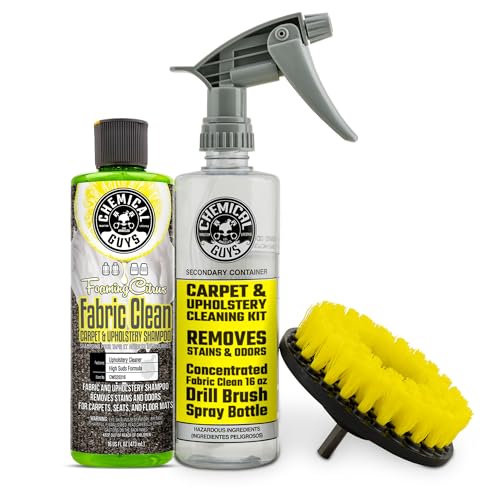
- Car upholstery cleaner spray bottle kit
- Car detailing brush set upholstery
- Microfiber cloths for car interior cleaning
- Portable car interior vacuum cleaner
- Car fabric steam cleaner for seats


Before You Start
Preparation helps prevent damage and ensures a thorough clean. Start with a quick assessment of stains, fabrics, and any potential color-fastness issues. Vacuum first to remove loose dirt, then treat tough spots. Safety notes: test any cleaner on an inconspicuous area before full application. Ensure the vehicle is parked in a well-ventilated area and the seats are cool to the touch. Time estimates vary, but most full-session cleans take 30–60 minutes depending on seat material and odor levels. Avoid using hot water or saturating fabric as this can set stains or cause mildew.
Step-By-Step: How To Clean Car Seats With Baking Soda
- Remove debris from the seat surface using a handheld vacuum. Start at the top and work downward to lift hair, crumbs, and dust.
- Sprinkle a light, even layer of baking soda across the entire seat. Let it sit for 15–20 minutes to absorb odors and moisture.
- Vacuum the baking soda thoroughly to remove it from the fabric. Use a brush attachment for tufted or textured surfaces to lift embedded particles.
- If stains are present, prepare a mild cleaning solution. For light stains, mix a small amount of dish soap with warm water. For tougher spots, use a car upholstery cleaner spray bottle kit and apply according to label directions.
- Gently scrub targeted stains with a car detailing brush set upholstery. Work in small circles and avoid over-wetting the fabric to prevent mildew.
- For odor-neutral freshening, make a paste with baking soda and water. Apply a thin layer to stubborn areas, leave for 10–15 minutes, then wipe away with a damp microfiber cloth.
- Use a microfiber cloth dampened with clean water to remove any remaining residue. Rinse the cloth frequently to avoid reapplying dirt.
- Optional: use a car fabric steam cleaner for seats to sanitize and lift any remaining particulates. Follow the device’s safety guidelines and avoid soaking seams.
- Allow seats to dry completely before use. If possible, crack windows or run the car’s ventilation to speed evaporation. A portable car interior vacuum cleaner can help dry and finish the job.
- Inspect the seats and repeat targeted treatment if needed. Finish with a final light vacuum and wipe-down to ensure a uniform appearance.
- Finish by maintaining regular upkeep: vacuum weekly, wipe rapid spills promptly, and reapply baking soda monthly for odor control.
Troubleshooting
| Symptom | Likely Cause | Fix | Prevention |
|---|---|---|---|
| Persistent odor after cleaning | Odor trapped deep in fibers | Apply baking soda again, leave overnight, vacuum thoroughly | Regular maintenance; avoid letting spills linger |
| Stains reappearing after cleaning | Original stain was set or fabric reacted to cleaning | Spot-clean with a mild solution and rinse; consider a fabric-safe stain remover | Treat stains immediately; test cleaners first |
| Fabric feels stiff after cleaning | Excess soap or residue | Wipe with a damp microfiber cloth until residue is gone | Use minimal cleaning solution |
| Water stains on upholstery | Over-wetting | Blot with dry towels and increase airflow to dry | Avoid soaking; use a spray bottle judiciously |
Common Mistakes
- Using excessive liquid on fabric seats, which can lead to mildew or dye bleed
- Rubbing too hard on delicate fabrics, causing wear or fraying
- Neglecting to dry seats fully, inviting musty odors
- Ignoring test patches on hidden areas before full application
Tips For Best Results
- Always start with a thorough vacuum to remove loose debris before any damp cleaning
- Use a light hand when applying baking soda; thick layers are unnecessary for odor control
- Pair baking soda with a mild cleaning solution for spots, then finish with a damp wipe
- Keep microfiber cloths clean and dry between passes to prevent transferring dirt
- Consider rotating cleaners: baking soda for odor, gentle soap solution for stains, steam cleaning for sanitizing
Call A Professional
If seats have persistent stains, severe odors, or dye transfer that won’t lift, it’s time to consult a professional. Seek expert help when:
- Fabrics are delicate or have visible wear that could worsen with scrubbing
- Odors persist after multiple cleaning attempts
- There is mold growth or a musty smell that doesn’t fade
- Spills involve hazardous substances or vehicle electrical components
FAQ
Can baking soda damage car seats?
Baking soda is generally safe for fabric seats when used in moderation and vacuumed thoroughly. Avoid applying a thick paste or leaving damp residues.
Is baking soda effective on all stains?
It works well for odors and light stains but may not remove set-in or oily stains without additional cleaners.
Should I use hot water?
No. Use cool or lukewarm water to prevent setting stains and mildew.
How often should I clean car seats?
Frequency depends on usage. Weekly light vacuuming and monthly deeper cleaning help maintain a fresh interior.
Can I use baking soda with a steam cleaner?
Yes, baking soda can be used in combination with steam cleaning for enhanced deodorizing, but avoid leaving residues on fabrics.
What if the stain returns after cleaning?
Re-treat the area promptly with a mild solution and blot; consider a fabric-safe stain remover for repeat issues.
Is this method safe for leather seats?
This approach targets fabric seats; leather requires specialized cleaners and conditioners designed for leather care.
Buying Guide
When choosing tools to complement baking-soda cleaning for car seats, consider size, noise, energy usage, and placement. A compact, quiet kit with a dedicated upholstery spray bottle, a sturdy car detailing brush set upholstery, and durable microfiber cloths can streamline routine maintenance. For deeper cleans, a portable car interior vacuum cleaner provides suction without removing seats, while a car fabric steam cleaner for seats offers sanitizing power without harsh chemicals. Evaluate compatibility with your vehicle’s upholstery type and color-fastness, and prioritize tools with easy-to-clean components and replaceable heads. Balance cost with efficiency to maintain a clean cabin without overwhelming the budget.
Buying Factors To Compare
- Size and portability: Will the kit fit your trunk and storage space?
- Noise level: Is the vacuum and steam cleaner quiet enough for in-car use?
- Energy efficiency: Do devices use low power or battery operation?
- Controls and ease of use: Are sprays, brushes, and attachments intuitive?
- Placement and accessibility: Can tools reach tight seats and cushions?
- Durability and maintenance: Are heads and cloths easy to clean or replace?
- Compatibility with fabrics: Does the kit work with typical car upholstery materials?