Pine furniture brings a warm, natural look to living spaces, but keeping it clean without damaging the wood requires the right approach. This guide provides practical steps to remove dirt, refresh the finish, and protect pine surfaces from everyday wear. By following these methods, homeowners can maintain the elasticity and color of pine for years to come.
The focus is on using gentle cleaners and conditioners that are safe for pine, along with proper tools to lift dust and grime without scratching the wood. Readers will find a clear, step-by-step process that covers cleaning, conditioning, and maintenance without leaving residue or dullness behind.
Quick Answer
For routine cleaning, start with a soft brush or microfiber cloth to remove dust, then wipe with a pine wood cleaner spray diluted as directed. Condition occasionally with wood conditioner mineral oil, and polish lightly with furniture wax to protect the surface. Avoid harsh chemical cleaners and abrasive brushes on pine finishes.
What You’ll Need
- pine wood cleaner spray 24 oz
- microfiber furniture cleaning cloth 12×16 pine wood
- wood conditioner mineral oil for pine furniture 16 oz
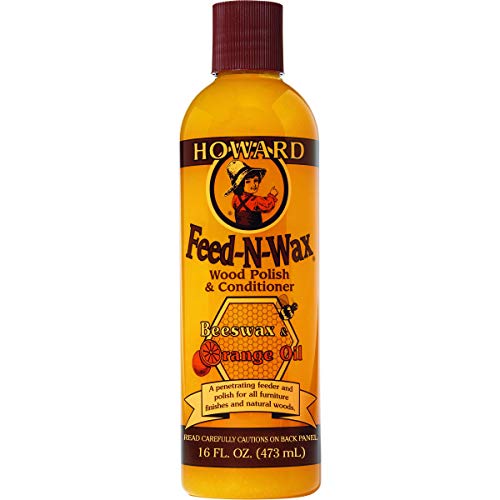
- furniture wax polish for pine wood 8 oz
- soft nylon bristle wood cleaning brush for furniture


Before You Start
Prepare the area by laying down a soft sheet or drop cloth to catch drips. Test any product on a small, inconspicuous patch of pine to ensure there is no discoloration. Work in a well-ventilated room and protect nearby finishes that could be affected by cleaners. Schedule cleaning when dust is minimal to prevent debris from scratching the surface. Take care around hardware, inlays, and soft finishes, which can be more sensitive to cleaners and oils.
Estimated time: 30–60 minutes for a typical piece, depending on size and condition. For antique or heavily worn pine, allow extra time for conditioning and drying between steps.
Step-By-Step: How To Clean Pine Furniture
- Remove cushions and decorative items; dust the entire surface with a soft nylon brush to lift loose dirt.
- Wipe the furniture with a clean microfiber cloth to remove settled dust before applying any cleaner.
- Spritz a light amount of pine wood cleaner spray onto a cloth or spray directly on a small area if advised by the product label, then wipe in the direction of the grain.
- For sticky spots, apply a little cleaner to a cloth and gently buff; avoid excessive moisture that can warp pine.
- Allow the surface to dry completely, then inspect for any residue; buff with a dry microfiber cloth to restore luster.
- Apply a thin coat of wood conditioner mineral oil for pine furniture to nourish the wood and prevent cracking over time; let it penetrate for a few minutes, then wipe off the excess.
- Once the oil is absorbed, rub a small amount of furniture wax polish for pine wood onto the surface to seal moisture and protect against spills.
- Buff the wax with a clean, dry cloth until the finish shines evenly; check for any uneven patches and re-buff as needed.
- Reassemble any removed hardware or cushions and return the item to its place, avoiding direct heat or sunlight that could dry the finish.
- Schedule routine cleaning every few months and spot-clean spatters as they occur to maintain the pine’s natural glow.
- Observe the surface after cleaning for signs of wear; if the finish looks dull, consider repeating the conditioning and waxing steps with ample drying time in between.
Troubleshooting
| Symptom | Likely Cause | Fix | Prevention |
|---|---|---|---|
| Dull or hazy finish after cleaning | Residual cleaner or wax buildup | Buff with clean cloth; re-apply a thin wax layer if needed | Use minimal product and follow grain direction |
| Water spots or streaks | Moisture exposure | Dry promptly; wipe with a dry cloth | Avoid saturating wood; apply water-based cleaners sparingly |
| Sticky residue around edges | Over-application of cleaner | Wipe excess with a clean cloth; repeat with a dry cloth | Use a light hand and test in a small area |
| Finish peeling after oil or wax | Over-oiling or old finish reacting | Remove excess and reapply sparingly | Use recommended amounts and allow proper drying time |
Common Mistakes
- Using harsh chemical cleaners that strip pine’s natural oils
- Over-wetting the wood, causing swelling or warping
- Applying heavy wax or oil too frequently, leading to buildup
- Rubbing against the grain with abrasive brushes
Tips For Best Results
- Always wipe in the direction of the grain for a smoother finish
- Test new products on a hidden area before full application
- Use a dedicated microfiber cloth for cleaning and another for drying to prevent transfer of oils
- Keep pine furniture away from direct sunlight and heat sources to minimize drying and cracking
Call A Professional
Consider professional help if pine furniture shows deep cracks, sun fading, or significant finish wear that doesn’t respond to standard cleaning and conditioning. Signs that require a pro include extensive staining, color inconsistency across the panel, or a finish that peels or lifs away with gentle touch. For antique pine or heirloom pieces, a conservator or skilled woodworker can advise on the safest restoration approach.
FAQ
Can I use water to clean pine furniture?
Lightly dampen a cloth and wipe quickly; excessive moisture should be avoided to prevent warping.
Is pine wood conditioner mineral oil safe for all pine finishes?
Yes, when used sparingly and as directed, mineral oil-based conditioners nourish pine without leaving a heavy residue.
How often should I wax pine furniture?
Every 3–6 months, or when the finish looks dull, to maintain protection and luster.
Should I polish pine with furniture wax after cleaning?
Yes, a thin wax layer helps seal moisture after cleaning and conditioning.
Buying Guide
When choosing care products for pine furniture, consider size, finish, and usage. For everyday cleaning, select a pine wood cleaner spray that is gentle and easy to apply. Look for a soft microfiber cloth to prevent scratches, and choose a mineral oil-based wood conditioner suitable for pine to restore moisture without buildup. A light wax polish helps protect the surface without altering the color. Noise level and energy efficiency are not primary concerns for these tasks; instead, focus on product compatibility with pine and finish safety. Pay attention to label directions, test patches, and follow-up maintenance intervals to keep pine furniture looking natural and well-preserved.