Buffer pads are essential tools in a car detailing setup, delivering consistent polish and a showroom finish. Proper cleaning extends pad life, maintains polishing performance, and prevents cross-contamination between compounds. This guide walks through safe, effective methods to clean buffer pads and keep them ready for the next detailing session.
Whether you’re a hobbyist or a professional detailer, taking a few minutes to clean and inspect pads after each use pays off in better results and lower replacement costs. The following steps cover general cleaning routines and specialized tools designed to care for different pad types, including foam and microfiber options.
Quick Answer
Best practice: rinse pads with warm water to remove excess product, then use a dedicated buffer pad cleaning brush or foam polishing pad washer to agitate and rinse thoroughly. Dry pads flat away from direct heat before reuse.
What You’ll Need
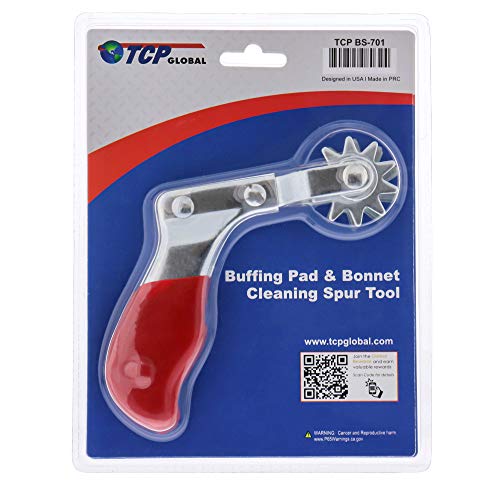
- Buffer pad cleaning brush or a soft nylon brush
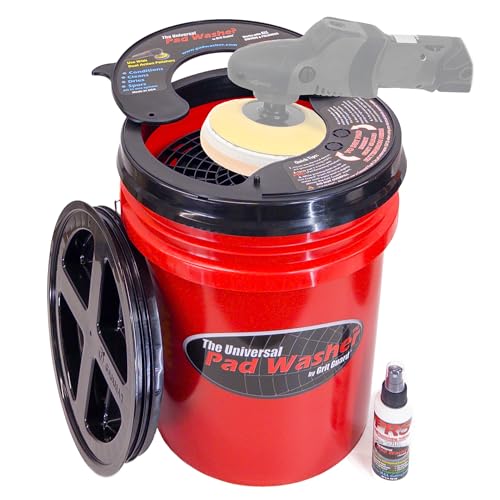
- Foam polishing pad washer for dual action polisher
- Microfiber buffing pad cleaning solution 16 oz
- Detailing pad cleaning mat for polishing pads
- Polishing pad extractor and cleaning kit for car detailing

Before You Start
Before beginning, unplug tools and ensure the workspace is well-ventilated. Use lukewarm water to avoid damaging the pad fibers. Avoid using hot water, bleach, or harsh solvents, which can deteriorate foam and microfiber. Inspect pads for cracks or loose fibers and set aside any pads that show signs of deterioration. Allocate about 15–30 minutes per pad for a thorough cleaning, depending on pad condition and the type of polish or compound used.
Step-By-Step: How To Clean Buffer Pads
- Remove any visible residue by gently tapping the pad against a clean surface to dislodge excess product.
- Rinse the pad under warm running water, pressing softly to release embedded residues without twisting fibers.
- For foam pads, apply a small amount of microfiber buffing pad cleaning solution and work it into the surface with a cleaning brush to create a light lather.
- For microfiber pads, use a dedicated cleaning solution and a gentler brush, avoiding harsh scrubbing that can fray fibers.
- Agitate the pad in clean water to remove dissolved compounds, repeating until the water runs clear.
- Use a buffer pad extractor and cleaning kit if available to squeeze out excess moisture without crushing the pad structure.
- Place pads on a detailing pad cleaning mat for polishing pads or a clean towel and shape them to air-dry evenly.
- Allow pads to dry completely before storing. Keep them away from direct heat sources to prevent damage.
- Inspect pads for wear or stiffness. If foam is compressed or fibers are damaged, replace the pad.
- Label pads by polish type or grit to prevent cross-contamination during future use.
- Repeat cleaning routine after each detailing session to sustain performance and hygiene.
Troubleshooting
| Symptom | Likely Cause | Fix | Prevention |
|---|---|---|---|
| Residue remains after washing | Hard-curdled product or inadequate rinsing | Rinse longer, re-apply cleaning solution, and agitate thoroughly | Rinse pads immediately after use; pre-rinse before storage |
| Pads smell after drying | Moisture trapped in fibers; mold risk | Ensure complete drying; use drying rack and proper ventilation | Don’t seal pads while damp; store in breathable container |
| Fibers fraying or tearing | Aggressive scrubbing or old pads | Limit brushing force; replace damaged pads | Use soft brushes; clean pads per manufacturer guidance |
| Pad loses fluff or shape | Repeated improper drying or heat exposure | Air dry flat, away from heat; reshape while damp | Store in a cool, dry area |
Common Mistakes
- Using hot water or strong solvents that degrade pad materials
- Harsh scrubbing that breaks fibers or foams
- Skimping on drying time, leading to mildew or odor
- Cross-contaminating pads by cleaning them in the same water with different products
Tips For Best Results
- Clean pads immediately after use to prevent dried-on residues from setting.
- Use a dedicated cleaning solution designed for the pad type to maintain fiber integrity.
- Rotate through a small set of pads to avoid overusing a single pad before cleaning.
- Store pads in a clean, dry place and consider labeling by grit or compound type.
Call A Professional
In most cases, pad cleaning can be done at home. Seek professional help if pads are cracked, torn, or emit persistent odors after thorough cleaning, which may indicate degraded material or contamination that could affect detailing results.
FAQ
What type of brush is best for cleaning buffer pads?
A soft nylon or dedicated foam pad brush is ideal for lifting residues without damaging fibers.
Can I wash pads in a washing machine?
Machine washing is generally discouraged unless the manufacturer approves it for your pad type.
How often should I replace a buffer pad?
Replace when the pad shows visible wear, fraying, or reduced polishing efficiency.
Is it necessary to use pad cleaning mats?
Cleaning mats help keep the pad area tidy and can improve drying and inspection.
Can I reuse the same cleaning solution for multiple pads?
Yes, but consider changing the solution if it becomes heavily soiled to maintain cleaning effectiveness.
Should I dry pads flat or hanging?
Dry pads flat on a clean surface or hanging to maintain shape and prevent distortion.
Buying Guide
When choosing tools for cleaning buffer pads, consider size, material, and compatibility with your polisher. Key buying factors include pad type (foam vs microfiber), cleaning solutions formulated for each material, and storage solutions to prevent contamination. Look for a foam polishing pad washer for dual action polisher that fits your workflow, a buffer pad cleaning brush with soft bristles, and a detailing pad cleaning mat to keep the workspace organized. A simple polishing pad extractor and cleaning kit can speed up drying and extraction, especially in busy shops. Choose products that are easy to clean, durable, and designed to resist mold and odor. For best results, match pad care tools to your pad type and polish regimen, and maintain a regular cleaning schedule to preserve pad performance and lifespan.