Brushed stainless steel offers a distinctive, satin-like finish that can elevate kitchen appliances, fixtures, and hardware. Proper cleaning preserves the texture and prevents streaks. This guide provides practical steps, safe products, and proven methods to keep brushed stainless steel looking its best in American homes.
Quick Answer
Use a non-abrasive cleaner and a microfiber cloth to remove fingerprints and smudges without dulling the brushed finish. For tougher grime, apply a polishing cream with a soft cloth, then buff to a shine. Always follow the grain of the metal and dry surfaces after cleaning to prevent water spots.
What You’ll Need
- Brushed stainless steel cleaner spray 24 oz
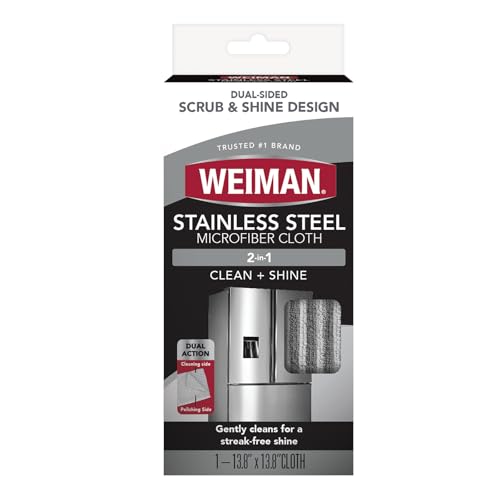
- Microfiber cloth for brushed stainless steel polishing
- Stainless steel polishing cream for brushed finish 4 oz
- Stainless steel cleaning kit with microfiber cloths 6 pack
- Non-abrasive stainless steel scrub pad for brushed finish


Before You Start
Before cleaning, check manufacturer recommendations for your specific appliance or fixture. Use a soft cloth to test a hidden area first to ensure no surface discoloration occurs. Work in a well-lit area and keep cleaning products away from dishwashers or ovens’ heat zones. Time estimates vary: typical wipe-downs take 5–10 minutes; deeper polishing may take 15–30 minutes.
Cautions to heed include avoiding abrasive pads that can scratch the brushed texture and never spray cleaner directly onto controls or electrical outlets. If you notice dull spots after cleaning, re-apply a light coat of polishing cream and gently buff along the grain.
Step-By-Step: How To Clean Brushed Stainless Steel
- Begin by removing loose dust with a dry microfiber cloth, moving with the grain of the brushed finish.
- Apply a small amount of brushed stainless steel cleaner spray to a clean microfiber cloth, not directly onto the surface.
- Wipe in the direction of the grain, covering a small area at a time to prevent streaks.
- For stubborn fingerprints, reapply cleaner and let it sit for a few seconds before buffing out with a dry portion of the cloth.
- Switch to a different microfiber cloth to buff the surface until it looks uniform and free of smudges.
- If deeper polishing is desired, apply a pea-sized amount of stainless steel polishing cream for brushed finish to a soft cloth and rub gently along the grain.
- Continue until all surfaces are evenly polished, then wipe clean with a fresh microfiber cloth to remove any residue.
- Dry surfaces thoroughly with a lint-free cloth to prevent water spots and mineral buildup.
- For textured or heavily used areas, repeat the process in small sections to avoid over-wetting and streaking.
- Store cleaning supplies in a cool, dry place away from direct sunlight to maintain product effectiveness.
- Regular maintenance – a quick wipe-down after cooking or meals – helps keep brushed finishes pristine.
- Document any finish changes and consult the manufacturer if you notice unusual discoloration or corrosion.
Troubleshooting
| Symptom | Likely Cause | Fix | Prevention |
|---|---|---|---|
| Streaks or hazy appearance | Residue left from cleaner | Buff with a clean microfiber cloth along the grain | Use a small amount of cleaner and wipe dry |
| Scratches or dull spots | Abrasive pad or harsh cleaner | Switch to non-abrasive scrub pad and polish with cream | Avoid steel wool and abrasive cleansers |
| Water spots after cleaning | Excess moisture and minerals | Dry thoroughly with lint-free cloth | Wipe in the grain to minimize streaks |
| Discoloration after cleaning | Chemical reaction or improper product use | Rinse with clean water, dry, and re-clean with approved products | Test cleaners in hidden area first |
Common Mistakes
- Using abrasive pads on brushed finishes, which dulls the texture.
- Spraying cleaner directly onto metallic surfaces or controls.
- Over-wetting surfaces and leaving water spots behind.
- Applying heavy polishing products too frequently, which can build residues.
Tips For Best Results
- Always work with the grain to preserve the brushed look and reduce cross-grain streaks.
- Keep a dedicated microfiber cloth for stainless steel to avoid cross-contamination from other cleaners.
- For cookware and appliances, consider pairing a cleaner spray with a polishing cream for a showroom finish.
- Test any new product in a small, inconspicuous area before full use.
- Schedule monthly touch-ups for high-traffic areas to minimize buildup.
Call A Professional
Contact a professional if you encounter severe pitting, corrosion, or a finish that appears permanently discolored despite cleaning attempts. Signs that require expert evaluation include deep scratches beyond the surface, etched marks, or rapid tarnishing after cleaning. If wiring or electrical components are involved, discontinue cleaning and seek service immediately.
FAQ
What products are best for brushed stainless steel?
Best options include a dedicated brushed stainless steel cleaner spray paired with a microfiber cloth and a stainless steel polishing cream for deeper finishes.
Can I use regular household cleaners on brushed stainless steel?
Some household cleaners are safe, but many contain additives that can dull the finish or leave residues. Use cleaners formulated for stainless steel when possible.
How often should I clean brushed stainless steel surfaces?
Wipe down weekly for light use; perform a deeper polish monthly or as needed for high-traffic areas.
Is it safe to buff with a cloth after applying polishing cream?
Yes, buff with the grain until the surface is evenly shiny and free of haze.
What should I do if water spots persist?
Dry thoroughly, re-wipe with a little cleaner, and buff with a dry cloth to restore the finish.
How do I prevent fingerprints on brushed stainless steel?
Regular light cleaning with a non-abrasive cleaner helps maintain a smear-free surface.
Buying Guide
Choosing the right products for brushed stainless steel depends on several factors. Size matters for larger appliances or wide panels, while a compact kit may be sufficient for fixtures and cabinetry. Noise level is typically not a concern for cleaners, but some spray bottles may emit a hiss when used in enclosed spaces. Energy efficiency is not a factor in cleaning products, but selecting low-residue formulas reduces the need for repeated polishing. Look for controls that indicate spray, wipe, or polish modes, and ensure products are safe for brushed finishes. Consider placement: keep cleaners away from heat sources and out of reach of children. Compare kits that include both cleaner and microfiber cloths to simplify maintenance, and prioritize non-abrasive options to protect the surface.