Brick pavers add timeless charm to outdoor spaces, but dirt, mold, and algae can dull their appearance. This guide explains how to freshen brick pavers without a pressure washer, using common tools and safe cleaning methods. The steps are practical for most homes and designed to minimize damage to mortar joints and brick faces.
With the right approach, you can brighten driveways, patios, and walkways while preserving the texture and color of the pavers. The method focuses on physical brushing, a safe masonry cleaner, and controlled water flow to rinse away grime.
Quick Answer
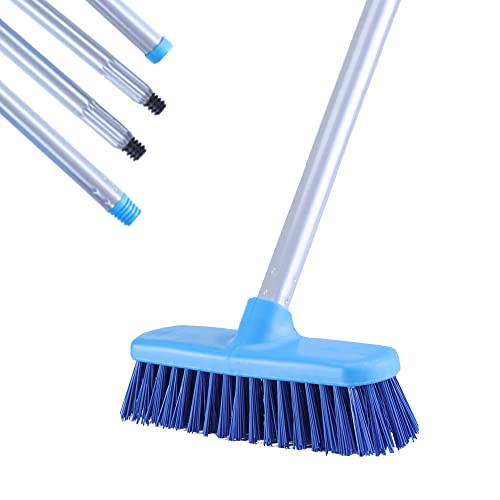
Use a long-handled stiff nylon deck scrub brush, a brick paver cleaning brush with a long handle, a masonry cleaner for brick pavers (concentrate), a grout brush for joints, and a garden hose nozzle with a rotating brush attachment. Mix cleaner according to directions, scrub both surfaces and joints, rinse thoroughly, and repeat if necessary. Avoid high-pressure methods that can damage joints.
What You’ll Need
- Stiff nylon deck scrub brush with long handle
- Brick paver cleaning brush with long handle
- Masonry cleaner for brick pavers concentrate
- Grout brush for brick paver joints
- Garden hose nozzle with rotating brush attachment


Before You Start
Assess the area for delicate plants or wiring that could be damaged by cleaner or splashing water. Protect nearby landscaping and measure the area to estimate cleaning time. Safety notes: wear gloves and eye protection, test a small area first, and avoid cleaning on very sunny days when the solution dries quickly. Typical cleaning time ranges from 1 to 3 hours depending on the space and soil buildup. Do not mix harsh chemicals unethically or in a way that creates fumes; follow label directions precisely.
Step-By-Step: How To Clean Brick Pavers Without A Pressure Washer
- Clear the area of planters, furniture, and debris to expose all brick surfaces and joints.
- Wet the pavers with a spray from the garden hose to loosen surface dirt before applying cleaner.
- Mix the masonry cleaner for brick pavers according to the label, using a bucket if needed. Dilution is important to avoid efflorescence or residue.
- Apply the cleaner to the pavers, focusing on discolored sections. Let it sit for the time specified on the product label.
- Scrub the brick faces with the stiff nylon deck brush, using long, even strokes to reach into texture and grout lines.
- Use the grout brush for the joints to dislodge embedded dirt and moss without disturbing the joint material.
- Rinse with the garden hose nozzle set to a wide spray. Start from the top and work downward to prevent dirt from re-depositing.
- Re-scrub troublesome spots with the long-handled brick paver brush and rinse again until the water runs clear.
- For stubborn stains, apply a second application of cleaner to just the affected areas and repeat steps 5–7.
- Allow pavers to dry completely. If any staining remains, spot-treat with a targeted cleaner and re-rinse.
- Inspect for grout and edge deterioration. If joints remain dark or efflorescence appears, consider a repeat treatment or professional assessment.
- Clean tools and store them dry to prevent rust or wear before next use.
Troubleshooting
| Symptom | Likely Cause | Fix | Prevention |
|---|---|---|---|
| Dull brick color after cleaning | Insufficient cleaning or protective sealant residue | Re-clean with cleaner and thorough rinse; avoid harsh scrubbing | Test cleaner on a small area first |
| Efflorescence reappears | Residual mineral salts from water | Rinse with clean water and treat with a stone-friendly cleaner | Use dechlorinated water and dry thoroughly |
| Discolored joints | Joint material erosion or over-cleaning | Limit scrub time on joints; re-seal joints if needed | Follow manufacturer guidance for joint care |
| Streaks after rinse | Uneven cleaning or soap residue | Rinse again with fresh water and ensure no cleaner remains | Apply cleaner evenly and rinse promptly |
| Moss or mildew returns quickly | Shade and moisture promote growth | Schedule periodic cleaning and consider sun exposure improvements | Trim nearby vegetation to improve airflow |
Common Mistakes
- Using a high-pressure setting or a power washer on brick pavers, which can loosen joints
- Letting cleaner dry on the surface, causing uneven staining
- Over-saturating grout joints, leading to possible damage or efflorescence
- Neglecting to rinse thoroughly, leaving residues that attract more dirt
Tips For Best Results
- Schedule cleanings for cooler, overcast days to prevent rapid drying and streaks
- Test cleaners on a small, inconspicuous area before full application
- Use a long-handle brush to avoid kneeling or bending, reducing strain
- Maintain consistent brushing pressure to avoid missing spots
- Rinse thoroughly after each cleaning cycle to prevent residue buildup
Call A Professional
Consider calling a pro if brick pavers are severely stained, cracked, or if joints are eroding. Stop and seek help if there is crumbling mortar, efflorescence that keeps returning, or if you notice efflux from the joints after cleaning. A professional can assess structural integrity and recommend sealing or re-jointing as needed.
FAQ
Can I use a regular garden hose for cleaning brick pavers?
Yes, a garden hose with a rotating brush attachment provides effective scrubbing and rinsing without the intensity of a pressure washer.
Is a masonry cleaner necessary for brick pavers?
A masonry cleaner helps break down moss, mildew, and grime more effectively than water alone, especially on porous brick surfaces.
How often should brick pavers be cleaned?
Cleaning every 1–2 years is common, or more often in shaded, damp areas where moss grows quickly.
Do I need to seal brick pavers after cleaning?
Sealing can help reduce staining and make future cleanings easier. Follow product instructions and consider climate and paver material.
What if cleaning damages the joints?
Cease cleaning on that area and consult a professional for joint repair or mortar repointing if needed.
Will cleaning remove oil stains?
Oil stains may require targeted cleaners or absorbents in addition to standard cleaning methods.
Should I use hot water for cleaning?
Warm water can improve cleaning efficiency, but avoid boiling temps that could affect mortar or paver surfaces.
Buying Guide
Choosing the right tools and cleaners for brick pavers without a pressure washer involves balancing effectiveness, safety, and ease of use. Consider the following factors:
- Size and space: For larger patios, a long-handled brush setup reduces back strain and speeds cleaning.
- Brush type and stiffness: A stiff nylon deck brush covers rough surfaces without scratching. Pair with a dedicated grout brush for joints.
- Cleaning solution: A masonry cleaner formulated for brick pavers helps remove algae, moss, and mineral staining without harming the brick.
- Water delivery: A garden hose nozzle with a rotating brush extension provides adjustable spray and scrubbing action; avoid high-pressure nozzles.
- Joint care: If joints show wear, plan for grout or mortar maintenance before sealing the surface.
- Placement and environment: Consider sun exposure and drainage to plan optimal cleaning times and aftercare.
Multi-tool kits that combine a long-handled brush, a dedicated paver cleaning brush, and a rotating hose nozzle can simplify routine maintenance. For stubborn stains, test concentrated cleaners on a small area and follow label directions precisely. Would a scheduled maintenance plan reduce buildup over time?