Gator Step decks are known for their non-slip surface, which is essential for safe boat access. Regular cleaning helps maintain grip and extends the life of the deck. This guide walks through a practical, step-by-step approach using common boat-cleaning supplies while emphasizing safety and surface care.
By following these steps, owners can remove algae, grime, and salt residue without damaging the fiberglass or non-slip texture. The process below prioritizes non-abrasive methods and compatible cleaners designed for boat decks.
Quick Answer
Fast Method: Rinse the deck, spray with a non-abrasive cleaner, scrub with a soft-bristle brush, rinse thoroughly, and air-dry. For tougher grime, repeat with a dedicated algae remover designed for non-slip decking.
What You’ll Need
- Gator Step non-slip deck cleaner spray
- Gator Step boat deck cleaner
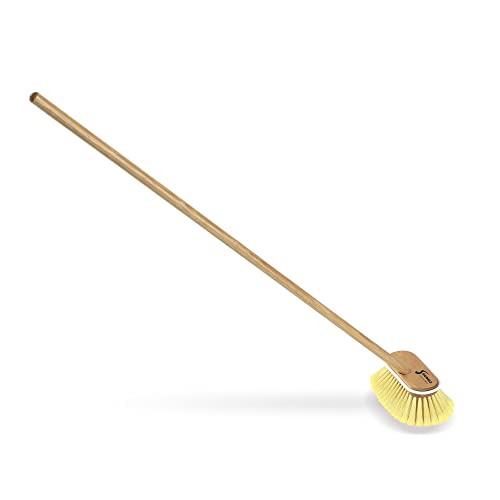
- Soft-bristle brush for boat deck cleaning
- Fiberglass boat deck cleaner non-abrasive
- Algae and grime remover for non-slip boat decking


Before You Start
Prepare a dry, shaded work area to prevent cleaner from drying too quickly. Wear gloves and eye protection, and test cleaners on a small, inconspicuous area first. Ensure the boat is on a stable trailer or dock, with the engine off and the deck fully accessible. Time estimate: 30–60 minutes for routine cleaning; 60–90 minutes for buildup clearing. Always follow product labels to avoid damage to fiberglass and non-slip textures.
Step-By-Step: How To Clean A Gator Step Deck
- Rinse the entire deck with a low-pressure nozzle to loosen surface grime and salt.
- Apply Gator Step non-slip deck cleaner spray to several sections, ensuring even coverage.
- Let the cleaner dwell for 5–10 minutes, but do not let it dry on the surface.
- Using a soft-bristle brush for boat deck cleaning, scrub in a consistent, overlapping pattern across the non-slip areas.
- For stubborn algae or grime, apply algae and grime remover for non-slip boat decking and rework with the brush.
- Rinse thoroughly with fresh water, starting from the bow toward the stern to avoid re-depositing dirt.
- If residues persist, repeat with Gator Step boat deck cleaner and a clean brush until the surface looks uniform.
- Inspect the deck for any dull or uneven patches. Lightly re-rinse or spot-clean as needed.
- Allow the deck to dry completely before stepping on it, ensuring the non-slip texture remains visible.
- Store cleaners securely and dispose of rinse water according to local environmental guidelines.
- For ongoing maintenance, establish a monthly cleaning routine, adjusting frequency for usage, humidity, and exposure.
- Consider applying a protective rinse or conditioner if recommended by the cleaner’s label to preserve the surface over time.
Troubleshooting
| Symptom | Likely Cause | Fix | Prevention |
|---|---|---|---|
| Streaks or light patches after cleaning | Residual cleaner or mineral deposits | Rinse thoroughly, repeat with a fresh rinse cycle | Rinse promptly; avoid letting cleaners dry on deck |
| Surface feels slippery after cleaning | Untreated soap residues | Rinse with clean water until no suds remain | Use the correct dilution and rinse method |
| Stubborn green growth | Persistent algae buildup | Apply algae remover for non-slip decking and scrub | Schedule regular maintenance to prevent buildup |
| Discoloration on fiberglass | Harsh cleaner contact | Switch to non-abrasive fiberglass cleaner and test first | Follow product guidelines and avoid abrasive tools |
Common Mistakes
- Using harsh abrasives on the non-slip surface, which can dull texture
- Letting cleaners dry on the deck before scrubbing
- Neglecting to rinse thoroughly, leaving streaks or residues
- Skipping a patch test on fiberglass before full application
Sticking to non-abrasive cleaners and a soft-bristle brush helps maintain grip and appearance while protecting fiberglass.
Tips For Best Results
- Always test a small area before full cleaning to confirm compatibility with Gator Step cleaners.
- Work in shade and avoid direct sun to prevent cleaners from drying too quickly.
- Use a stiff but gentle brush to lift grime from the textured surface without wear.
- Rinse twice after cleaning to remove all cleaner residues and protect the non-slip finish.
Call A Professional
Call a pro if you notice persistent staining that won’t respond to standard cleaners, extensive damage to the non-slip texture, or deep hull staining near caulking. Seek professional cleaning if the deck shows fading, cracking, or compromised grip that could affect safety.
FAQ
Can I use household cleaners on a Gator Step deck?
Only if the label confirms compatibility with fiberglass and non-slip surfaces; otherwise, use cleaners specifically designed for boat decks.
How often should I clean a non-slip deck?
Routine maintenance every 1–2 months is common, with more frequent cleanings in humid or algae-prone environments.
What tools should I avoid on the non-slip surface?
Avoid harsh metal brushes or scouring pads that can abrade the texture.
Is it safe to use bleach on fiberglass decks?
Bleach can damage fiberglass and discolor the surface; use non-abrasive, boat-specific cleaners instead.
Do I need to wax the Gator Step deck?
Waxing is usually unnecessary and may alter the non-slip texture; follow the cleaner’s maintenance recommendations.
Buying Guide
When selecting products to clean a Gator Step deck, consider factors such as effectiveness on algae and grime, non-abrasiveness to protect the texture, and compatibility with fiberglass. Look for cleaners that specifically mention non-slip or textured surfaces to preserve grip. A two-step approach often works best: a general non-slip deck cleaner for routine maintenance, followed by an algae-removal product for stubborn buildup. Availability of soft-bristle brushes designed for boat decks helps ensure gentle but thorough cleaning. Always check labels for recommended applications and dwell times. If the deck experiences heavy use or frequent exposure to saltwater, plan a slightly more frequent cleaning schedule to keep the surface safe and visually appealing.