Blueberries are a popular, nutrient-rich fruit that often carries pesticides, dirt, or residual sugars from packaging. Cleaning them properly helps remove surface contaminants while preserving their delicate skin and flavor. This guide provides practical, step-by-step methods using vinegar as a gentle, effective cleaner, along with recommended tools to streamline the process.
Quick Answer
To clean blueberries safely, rinse the berries in a vinegar-water solution (1 part vinegar to 3 parts water) for 3–5 minutes, then rinse thoroughly with fresh water and drain completely. Use a fine mesh strainer to prevent berries from slipping through, and air-dry on a clean surface before storing.
What You’ll Need
- Stainless steel berry cleaning brush
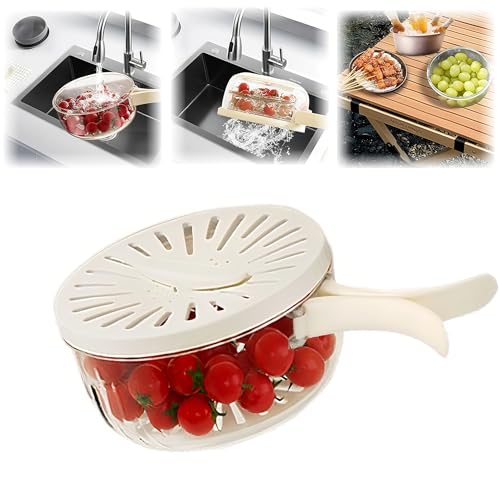
- Produce wash bowl with integrated drain basket
- Reusable spray bottle for vinegar cleaning produce
- Fine mesh produce strainer colander for berries
- Soft microfiber fruit and vegetable cleaning cloth set


Before You Start
Prepare a clean workspace and wash hands before handling fruit. Use a dedicated, clean bowl or sink to avoid cross-contamination. A typical cleaning session for a standard pint of blueberries takes about 5–10 minutes. Key cautions: avoid soaking berries too long, as they can absorb moisture and degrade in texture; never mix vinegar with bleach or other cleaners; and dispose of used rinse water outdoors or down the drain where it won’t backflow.
Step-By-Step: How To Clean Blueberries With Vinegar
- Place the blueberries in a fine mesh produce strainer or a bowl fitted with a drain basket.
- Fill the bowl with cold water and add 1 part vinegar to 3 parts water to create a sanitizing solution.
- Immerse the berries and gently agitate for 2–3 minutes to loosen surface residues.
- Let the berries sit in the solution for an additional 1–2 minutes, then tilt the strainer to drain the solution.
- Rinse the berries under cold running water for 30–60 seconds to remove all vinegar scent.
- Spread the berries on a soft microfiber cloth and pat dry, or allow them to air-dry on a clean surface.
- Optionally, use a stainless steel berry cleaning brush to remove stubborn particles from any crevices, then rinse again.
- Inspect for any damaged berries and remove them to prevent spoilage.
Troubleshooting
| Symptom | Likely Cause | Fix | Prevention |
|---|---|---|---|
| Blueberries taste vinegary | Insufficient rinsing | Rinse thoroughly until no vinegar aftertaste remains | Use a final rinse with cold water |
| Blueberries look mushy after cleaning | Washing too long or tapping berries | Limit soak time and handle gently | Use gentle agitation and avoid rough stirring |
Common Mistakes
- Over-soaking berries in vinegar solution.
- Using hot water, which can soften berries.
- Not rinsing thoroughly, leaving vinegar odor or flavor.
- Rinsing in a dirty sink or bowl that recontaminates fruit.
Tips For Best Results
- Always start with cold water to preserve berry texture.
- Opt for a dedicated bowl and strainer to minimize cross-contamination.
- Use a reusable spray bottle to apply a diluted vinegar solution when cleaning small batches.
- Dry berries completely before storing to prevent mold growth.
- Store cleaned berries in a breathable container lined with a microfiber cloth to absorb excess moisture.
Call A Professional
If berries show signs of spoilage such as mold, off odors after cleaning, or if you frequently encounter contaminated produce despite cleaning, consult a produce processing professional or contact your local extension service for guidance on safe handling practices.
FAQ
Can I use white distilled vinegar for cleaning blueberries?
Yes, white distilled vinegar is effective for sanitizing blueberries when diluted properly in water.
Is it necessary to rinse with vinegar every time?
Rinsing with a vinegar solution is optional but helps reduce surface residues and potential pesticides.
How long should blueberries air-dry after cleaning?
About 10–15 minutes on a clean surface or in a well-ventilated area until completely dry.
Will vinegar affect the taste of blueberries?
If thoroughly rinsed, there should be no noticeable vinegar flavor left in the fruit.
Buying Guide
Choosing gear to clean blueberries with vinegar depends on batch size, convenience, and storage needs. Consider the following factors to optimize results and workflow.
Size and Capacity
For small households, a compact produce wash bowl with an integrated drain basket is sufficient. Families handling larger quantities may prefer a deeper bowl and a larger fine mesh colander to accommodate multiple pints at once.
Material and Build
Stainless steel tools resist staining and are easy to sanitize. A fine mesh produce strainer reduces berry loss and prevents seeds or stems from slipping through.
Ease of Use
A reusable spray bottle for vinegar simplifies application on small batches and reduces waste. A soft microfiber cleaning cloth set helps dry and buff berries without damage.
Durability and Maintenance
Look for BPA-free plastics for spray bottles and rust-resistant metals for brushes. Dishwasher-safe components save time, but ensure they tolerate vinegar solutions.
Storage and Organization
Choose components with ergonomic handles and nesting capability to save space. A dedicated cleaning station with a drain-friendly bowl helps maintain a tidy kitchen area.
Cost vs Value
Quality microfiber cloths, a sturdy fine mesh strainer, and a reliable spray bottle provide long-term value through repeated use and better sanitation.
Placement and Use-Cases
Store the cleaned berries in the refrigerator in a breathable container to maximize shelf-life. Use washed berries promptly for best flavor and texture.