Grease buildup on kitchen cabinets is a common domestic challenge. With the right tools and a simple routine, cabinets can look refreshed without harsh scrubbing or damage. This guide walks through safe, effective methods to remove kitchen cabinet grease and keep finishes looking like new.
Quick Answer
Begin with a gentle cleaner or microfiber cloth to lift grease. For stubborn spots, switch to an industrial degreaser spray designed for kitchen cabinets, then rinse and dry. Use a non-scratch scrub pad or stiff nylon brush for tough areas, and finish with steam or microfiber wipes for a pristine surface.
What You’ll Need
- Stiff nylon scrub brush kitchen cabinet grease remover
- Industrial degreaser spray for kitchen cabinets
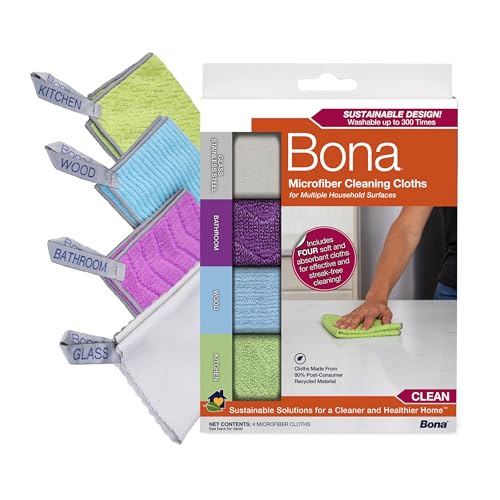
- Microfiber cleaning cloth set for grease removal cabinets
- Non-scratch kitchen scrub pad for cabinet grease
- Steam cleaner for kitchen cabinets grease removal


Before You Start
Check cabinet finishes for compatibility with cleaners. Test a hidden spot first to ensure there is no discoloration or dulling. Work in a well-ventilated area and use protective gloves if you have sensitive skin. Plan for a 15–45 minute session depending on grease buildup; take breaks if surfaces are hot from steam. Avoid harsh solvents on painted or varnished surfaces as they can strip protective coatings.
Step-By-Step: How To Clean Grease Off Cabinets
- Clear surfaces and remove items from cabinet doors and shelves to access grease-laden areas.
- Wipe loose dust with a microfiber cloth to prevent scratching during cleaning.
- Apply a light layer of microfiber cleaning cloth with a mild cleaner on a small area and gentle wipe in the direction of the grain.
- For tougher grease, use the stiff nylon scrub brush with a cabinet grease remover and scrub in small circles.
- Rinse the area with a clean, damp microfiber cloth to remove residual cleaner and grease.
- For stubborn spots, spray an industrial degreaser on a cloth (not directly on the wood) and wipe away buildup.
- Dry with a clean microfiber cloth to prevent watermarks and streaks.
- Use a steam cleaner to treat heavily soiled sections, then wipe immediately with a microfiber cloth.
- Inspect for remaining haze; repeat steps as needed, focusing on corners and edges.
- Reinstall hardware and return items to the cabinets after surfaces are fully dry.
- Do a quick final wipe with a light protective polish if recommended by the finish manufacturer.
- Document any problem areas for future maintenance and schedule routine cleanings every few months.
Troubleshooting
| Symptom | Likely Cause | Fix | Prevention |
|---|---|---|---|
| Grease reappears quickly after cleaning | Ongoing cooking residue and heat exposure | Clean with degreaser and seal with appropriate cabinet finish product | Wipe after cooking, use vent hoods |
| Streaks or water spots | Moisture left on wood | Dry thoroughly with microfiber cloth | Dry surfaces promptly after cleaning |
| Scratches appear after scrubbing | Harsh scrub pad on delicate finishes | Switch to non-scratch pads or microfiber only | Test area first, use light pressure |
| Finish dulls after cleaner use | Incompatible cleaner on finish | Switch to cabinet-safe products recommended by finish maker | Check label before use |
| Grease in recessed seams | Crevices collect oils | Carefully wipe with cotton swab or small brush, then rinse | Regular maintenance to prevent buildup |
Common Mistakes
- Using abrasive scrubs on glossy or delicate finishes
- Neglecting to test cleaners on hidden areas
- Over-wetting wood surfaces during cleaning
- Relying on a single method for all grease types
- Skipping drying after cleaning, which causes water damage
Tips For Best Results
- Work from top to bottom to prevent dirty drips onto cleaned areas
- Use a dedicated microfiber set for cabinet cleaning to avoid cross-contamination
- Choose an industrial degreaser spray designed for kitchen cabinets for heavy buildup
- Match tools to the surface: non-scratch pads for delicate finishes, stiff brushes for textured doors
- Ventilate the area and wear gloves if you have sensitive skin
Call A Professional
Contact a pro if cabinet finishes are damaged, if stains persist after several cleaning cycles, or if the cabinets contain antique or valuable finishes. Stop cleaning and seek expert advice if there are peeling coatings, inconsistent color, or bubbling veneer. Professionals can assess finish compatibility and apply restorations safely.
FAQ
What is the safest cleaner for painted cabinets?
Use a mild, pH-balanced cleaner recommended for painted surfaces and test first on a hidden area.
Can steam cleaning damage wood cabinets?
Steam can warp or raise grain if used improperly; use short bursts and a heat-tolerant cloth to dry immediately.
How often should I clean grease from cabinets?
A routine wipe-down after heavy cooking sessions and a deeper clean every few months helps prevent buildup.
Will degreasers remove kitchen cabinet finishes?
Choose degreasers labeled safe for wood finishes and follow the manufacturer’s directions; test first.
Buying Guide
Choosing the right products for cleaning grease off cabinets depends on finish, budget, and maintenance goals. Consider size and surface area to estimate cleaning time and whether you prefer spray degreasers or wipe-on solutions. Noise level matters for steam cleaners if used in a quiet home. Look for energy-efficient tools, though most cabinet-cleaning devices are manual or low-power. Controls should be simple and intuitive, with clear instructions. Placement of cleaning products should be accessible but out of reach of children. Compare options based on compatibility with cabinet finishes, ease of use, and the inclusion of microfiber cloths or scrub pads.