Cleaning black cabinets in American homes requires careful product choices to avoid streaks and damage. The right routine preserves the finish, reduces smudges, and keeps dark wood tones looking even and rich. This guide provides practical steps, tool lists, and practical tips tailored for black cabinets in kitchens and bathrooms.
Quick Answer
For fast, effective results, start with a gentle cleaner designed for dark finishes, then use a microfiber cloth to avoid scratching. For stubborn grime, apply a light grease degreaser specifically formulated for kitchen cabinets, and finish with a soft-bristle brush to lift residue from crevices. Always wipe dry with a clean microfiber cloth to prevent watermarks.
What You’ll Need
- black wood cabinet cleaner spray 32 oz or a compatible laminate cabinet cleaner spray for black finish
- microfiber cleaning cloths for dark wood cabinets
- grease degreaser kitchen cabinet spray polyurethane finish
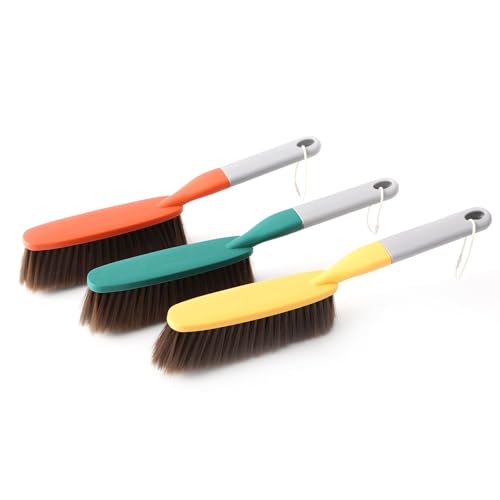
- cabinet door cleaning brush with soft bristles
- Optional: additional soft brushes for hard-to-reach areas


Before You Start
Prepare the workspace by removing items from cabinet doors and shelves. Place a soft, lint-free drop cloth to protect surfaces beneath. Test any cleaner on a small, inconspicuous area to ensure it does not alter color or finish. Wear gloves if you have sensitive skin. Time estimates vary by cabinet size, but a typical cleaning session spans 30–60 minutes for a full kitchen set. Critical cautions: never soak wood finishes, avoid abrasive pads, and avoid colored cleaners that may transfer tint onto the dark surface.
Step-By-Step: How To Clean Black Cabinets
- Empty and declutter the cabinet fronts and interior to access all surfaces.
- Lightly dust with a dry microfiber cloth to remove loose debris.
- Spray a small amount of black wood cabinet cleaner spray 32 oz onto a microfiber cloth or directly onto the brush for stubborn spots.
- Wipe cabinet doors in the direction of the grain; avoid circular motions that can leave streaks on dark finishes.
- For grease and grime, apply a thin layer of grease degreaser kitchen cabinet spray polyurethane finish and let it sit briefly before wiping.
- Use cabinet door cleaning brush with soft bristles to reach edges, corners, and the underside of doors where grime hides.
- Rinse with a clean, lightly damp microfiber cloth to remove any cleaner residue.
- Dry each surface with a dry microfiber cloth to prevent watermarks.
- Repeat on interior shelves if needed, using the same technique and cleaning tools.
- Inspect for streaks; buff any remaining marks with a fresh microfiber cloth for a uniform finish.
- Return items to the cabinets and wipe down any surrounding hardware to complete the refresh.
- Establish a regular cleaning schedule (every 1–2 weeks, depending on usage) to maintain the appearance.
Troubleshooting
| Symptom | Likely Cause | Fix | Prevention |
|---|---|---|---|
| Streaks after cleaning | Excess cleaner or improper wiping | Wipe with a clean, dry microfiber cloth in the direction of the grain | Use minimal product and lint-free cloths |
| Water rings or dull spots | Water contact or residue | Dry surfaces thoroughly; avoid leaving damp patches | Apply cleaners with a light touch and dry immediately |
| Scratches appearing on finish | Abrasive tools or harsh cleaners | Switch to soft-bristle brush and gentle cleaners | Avoid abrasive pads; test products first |
| Discoloration on dark finish | Strong solvent cleaners or incompatible products | Switch to a cleaner labeled for dark or black finishes | Follow manufacturer guidelines for cleaners |
Common Mistakes
- Using ammonia-based cleaners on finished wood cabinets
- Using abrasive pads that scratch dark surfaces
- Over-wetting the cabinet surfaces during cleaning
- Neglecting the edges and interior panels where grime builds up
Sticking to gentle cleaners and soft applicators helps maintain the uniform depth of black finishes and prevents watermarking.
Tips For Best Results
- Always work in small sections to keep the finish looking even across all panels.
- Use two microfiber cloths: one for cleaning and one for drying to speed up the process.
- Schedule routine touch-ups to avoid heavy buildup that requires stronger cleaners.
- Consider a light, cabinet-safe conditioner if manufacturer-approved for wood finishes to maintain luster.
Call A Professional
If cabinet finishes show deep scratches, peeling, or color inconsistencies after attempts to clean, or if you plan to refinish, contact a professional cabinet refinisher. Seek help promptly for any signs of veneer separation or persistent staining that does not respond to standard cleaning.
FAQ
What is the best cleaner for black cabinets?
Use a cleaner specifically formulated for dark finishes, such as the black wood cabinet cleaner spray 32 oz, to avoid streaking and color changes.
Can I use a degreaser on all kitchen cabinet finishes?
Yes, but choose a degreaser labeled for kitchen cabinets and compatible with your finish to prevent damage.
How do I remove tough grease from crevices?
Apply a small amount of degreaser with a soft-bristle brush to edges and corners, then wipe clean with microfiber cloths.
How often should I clean black cabinets?
Light cleaning every 1–2 weeks helps keep dark finishes even, with a deeper clean monthly or as needed for grease buildup.
Buying Guide
When selecting products for cleaning black cabinets, consider size, finish compatibility, and ease of use. For size, choose cleaners that cover the cabinet area you have without excessive packaging. Noise level is generally not a factor for spray cleaners, but user experience matters; opt for products with clear spray nozzles and minimal fumes. Energy efficiency isn’t a major concern here, but efficiency in cleaning time matters. Look for easy-to-apply formulas and quick-dry properties. Placement matters too: store cleaners in a cool, dry place away from children and pets. Compare products by finish compatibility (wood vs. laminate), availability of a soft-bristle brush, and whether the set includes microfiber cloths for consistent results. If you want a cohesive kit, pairing a cleaner spray with microfiber cloths and a soft-bristle brush can offer a complete solution for maintaining black cabinet aesthetics. Why settle for streaks when a simple routine delivers a uniform, glossy look?