Cleaning fabric-covered bed frames requires careful selection of cleaners and a gentle approach to avoid discoloration or fiber damage. The goal is to remove dirt, dust, and stains while preserving the fabric’s texture and the frame’s hardware. This guide outlines practical steps, tools, and safety considerations for American households.
Readers will learn a method that works with common upholstery supplies and can be adjusted for different fabric types. The steps emphasize stain prevention, test patches, and routine maintenance to keep a bed frame looking fresh without expensive professional services.
Quick Answer
Best quick method: Lightly brush loose dirt, spot-clean with a fabric-safe cleaner, blot, and air-dry. For tougher stains, use a fabric stain remover for upholstered furniture and finish with a fabric protector spray for upholstered bed frame to guard against future marks.
What You’ll Need
- upholstery cleaner spray for fabric bed frame
- fabric stain remover for upholstered furniture
- microfiber upholstery cleaning kit for bed frame
- water-based fabric cleaner spray for beds
- fabric protector spray for upholstered bed frame


Before You Start
Before beginning, check the fabric care label on the bed frame or mattress headboard. Conduct a small test patch in an inconspicuous area to confirm colorfastness. Move the bed away from walls and clear surrounding surfaces to prevent moisture damage. Schedule cleaning when you have time for thorough drying, typically 1–4 hours depending on ventilation. Keep cleaning solutions away from children and pets and use protective gloves if you have sensitive skin.
Step-By-Step: How To Clean Bed Frame Fabric
- Remove loose dust with a soft brush or vacuum using a brush attachment to prevent embedding particles in fibers.
- Dampen a microfiber cloth with a small amount of water-based fabric cleaner spray for beds and blot stains gently from the outside toward the center.
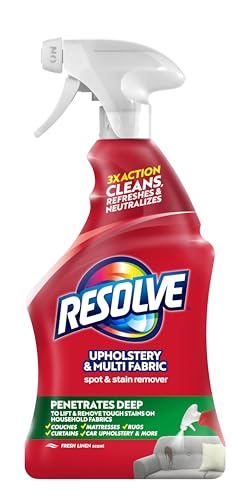
- If stains persist, apply a focused amount of fabric stain remover for upholstered furniture to the affected area, following product directions.
- For broader cleaning, lightly mist the fabric with upholstery cleaner spray for fabric bed frame and work in a top-to-bottom motion to lift dirt.
- Blot with a dry towel to absorb excess moisture; avoid rubbing which can fray fibers or spread stains.
- Allow the fabric to air-dry completely in a well-ventilated room, using a fan if needed to speed up drying.
- Once dry, re-check for any remaining stains and repeat only where necessary to prevent over-wetting.
- Finish with a fabric protector spray for upholstered bed frame to help repel future spills and make maintenance easier.
Troubleshooting
| Symptom | Likely Cause | Fix | Prevention |
|---|---|---|---|
| Streaks after cleaning | Excess moisture or uneven application | Gently blot with a dry cloth; reapply cleaner lightly and even out | Test patch; use minimal spray per area |
| Discoloration or color bleeding | Non-colorfast fabric | Stop and consult a professional if needed | Always test on hidden area first |
| Persistent odor | Moisture trapped in fibers | Increase ventilation; use a fabric-safe deodorizer after drying | Dry thoroughly; avoid over-wetting |
| Fibers pilled after cleaning | Aggressive scrubbing | Switch to gentler motions; use a lint shaver if needed | Use soft brushes and microfiber cloths |
Common Mistakes
- Using hot water on delicate fabrics, which can set stains
- Over-wetting the fabric, leading to mildew or odor
- Rubbing too hard or using stiff brushes that damage fibers
- Neglecting a test patch, resulting in color changes
- Skipping the drying period, leaving moisture trapped
Tips For Best Results
- Test all cleaners on a hidden area before full application
- Work from the outer edge of a stain toward the center to prevent spreading
- Use a fan or open windows to speed up drying and reduce mildew risk
- Choose a fabric protector spray designed for upholstered bed frames to extend cleanliness
- Label and store cleaners separately to avoid cross-contamination between wood and fabric finishes
Call A Professional
Stop and consult a professional if the fabric shows extensive water damage, large or mysterious stains, or color bleed that worsens after cleaning. If the bed frame fabric is a delicate weave, suede, or has leather mixes, seek expert guidance to prevent irreversible damage.
FAQ
Can I use any upholstery cleaner on a fabric bed frame?
Use cleaners labeled for fabric upholstery and test on a hidden area first to ensure compatibility with the bed frame fabric.
How do I remove a stubborn stain on fabric bed frame?
Apply a fabric stain remover for upholstered furniture as directed, blot gently, and repeat as needed, then seal with a fabric protector spray.
Is it safe to use water-based cleaner on wood portions near the fabric?
Avoid saturating wood edges; use minimal spray near non-fabric surfaces and wipe away any mist promptly.
How long does it take the fabric to dry after cleaning?
Drying time varies by room conditions but typically ranges from 1 to 4 hours; ensure thorough air circulation.
Should I seal the fabric after cleaning?
Yes, applying a fabric protector spray for upholstered bed frame can help resist future stains and spills.
What if color changes after cleaning?
Discontinue use and seek professional assessment if color shifts appear, especially on darker or dyed fabrics.
Buying Guide
When choosing products to clean bed frame fabric, consider size, material type, and the level of maintenance you’re comfortable with. A basic kit that includes an upholstery cleaner spray for fabric bed frame, a fabric stain remover for upholstered furniture, and a microfiber cleaning kit covers most routine needs. Pay attention to the following factors:
- <bFabric compatibility: Confirm the product is safe for your bed frame’s fabric type (cotton, polyester, linen, blends, or delicate weaves).
- <bEffectiveness: Look for stain removers that target common household spills like coffee, ink, and oil without harsh solvents.
- <bMoisture control: Water-based formulas reduce risk of over-wetting and shorten drying times.
- <bProtection features: A fabric protector spray can extend clean results by repelling future stains.
- <bEase of use: Spray bottles, clear instructions, and fast-drying formulas simplify routine maintenance.
- <bVentilation and placement: Clean in a well-ventilated area with the bed away from walls to prevent moisture-related issues.
- <bBudget and storage: Choose a compact kit with essential items to minimize clutter while ensuring you have the right tools on hand.
For best results, match the kit components to your fabric type and stain history. Could a simple routine with the right products keep your bed frame looking fresh for years? With the right approach, the answer is yes.