Keeping bathroom floors spotless involves choosing the right tools and following a practical routine. This guide walks American homeowners through an efficient approach to cleaning tile floors, grout lines, and the surrounding area using common household supplies and purpose-built cleaning tools.
Quick Answer
For fast, effective results, start with a dry dusting or sweeping, then wash with a microfiber mop or steam mop, scrub stubborn grout with a stiff-bristle brush, and finish with a squeegee to remove excess water. Regular maintenance reduces buildup and makes deep cleans easier.
What You’ll Need
- microfiber mop for bathroom floor tiles
- steam mop for bathroom tile floors
- tile floor scrub brush with stiff bristles
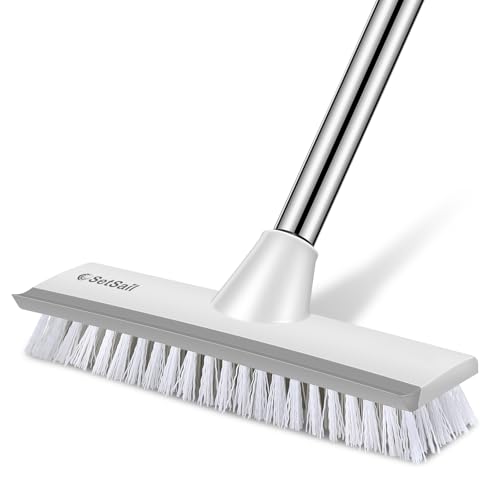
- extendable handle grout cleaning brush for bathroom
- bathroom floor squeegee for tile and shower area


Before You Start
Clear the floor of any items and use a dry mat to catch moisture after cleaning. Ventilate the room to reduce fumes if using strong cleaners. Protect your feet and eyes if using products with bleach or ammonia-based formulas. Plan for a 15–30 minute session depending on floor size and grout condition, plus extra drying time. Never mix cleaners that produce chlorine gas and avoid using metal brushes on delicate ceramic surfaces, which can scratch them.
Step-By-Step: How To Clean A Bathroom Floor
- Remove loose debris with a dry dust mop or broom, focusing on corners and along baseboards.
- Vacuum or sweep to pick up hair and dust before wet cleaning to prevent mud-like buildup.
- Prepare a cleaning solution suitable for your tile type. For most ceramic or porcelain tiles, a mild detergent or pH-neutral cleaner works well.
- Attach the microfiber mop for bathroom floor tiles or use a steam mop for bathroom tile floors to loosen dirt across the surface. Work in small, overlapping sections.
- Scrub grout lines with the extendable handle grout cleaning brush for bathroom to break away grime without scrubbing the entire tile.
- Rinse the floor with clean water or use the steam mop’s rinse feature if available to remove soap residues.
- Dry the floor with a bathroom floor squeegee for tile and shower area to prevent water spots and slipping hazards.
- Inspect for remaining stains or grout discoloration. Repeat treatment on stubborn areas using a targeted brush or a stronger cleaner as needed.
- Return items to their place and ensure the floor is completely dry before stepping on it or placing rugs.
- Schedule regular maintenance, such as weekly quick cleans and monthly deep scrubs, to keep floors looking like new.
Troubleshooting
| Symptom | Likely Cause | Fix | Prevention |
|---|---|---|---|
| Streaky wet appearance after mopping | Soap residue or hard water minerals | Rinse with clean water or use a steam mop to remove residue | Use a neutral pH cleaner; wipe with a dry mop after cleaning |
| Gaps or dark lines in grout | Mold or heavy embedded dirt | Apply a grout cleaner and scrub with the stiff bristle brush | Dry grout after cleaning; seal grout periodically |
| Scratches on tile surface | Harsh brushes or abrasive cleaners | Switch to soft-bristle tools and non-abrasive cleaners | Test cleaners in a hidden area first |
| Slippery floor after cleaning | Excess moisture or soap films | Use the squeegee to remove water; rinse thoroughly | Allow proper ventilation and complete drying |
Common Mistakes
- Using overly harsh brushes on glazed ceramic tiles
- Overlooking grout lines during routine cleaning
- Pouring cleaner directly on floors without diluting as directed
- Neglecting to dry the floor after washing, which increases slip risk
- Using bare metal tools that can scratch tile surfaces
Tips For Best Results
For consistently clean floors, establish a simple routine: sweep daily, mop weekly, and address grout spots monthly. When dealing with tough grout stains, pre-treat with a grout cleaner and let it sit briefly before scrubbing. If space allows, use a detachable extendable handle grout cleaning brush for bathroom to reach tight gaps between tiles and along the edges. Finally, store tools dry to prevent mold and odor buildup.
Call A Professional
Consider contacting a professional if you notice persistent grout deterioration, cracked or loose tiles, or extensive mold growth that does not respond to standard cleaning methods. Stop signs include persistent discoloration, efflorescence, or musty smells after repeated cleaning attempts.
FAQ
What is the best cleaner for bathroom tile floors?
Use a pH-neutral cleaner or mild detergent suitable for tile to avoid damaging the glaze or grout.
Can I use a steam mop on all tile floors?
Steam mops work well on most ceramic and porcelain tiles but may not be suitable for natural stone or grout that could be etched by heat. Check manufacturer guidelines.
How often should grout be cleaned?
Grout benefits from a monthly deep clean, with spot scrubbing as needed to prevent mold buildup.
Is it safe to mix cleaners for grout?
No. Mixing cleaners can create hazardous fumes. Use one cleaner at a time and rinse thoroughly.
Do I need to seal grout after cleaning?
Sealing grout periodically helps repel moisture and stains, typically every 1–2 years depending on wear.
Buying Guide
Choosing the right tools for bathroom floor care depends on floor type, cleaning frequency, and user comfort. Consider the following factors when shopping:
- Size and reach: An extendable handle makes grout lines and corners easier to reach without bending.
- Noise level: Steam mops can be louder during use; look for models with vibration dampening and shorter heat cycles if noise is a concern.
- Energy efficiency: Steam mops often use water heat rather than chemical energy; consider energy use and downtime between dries.
- Controls: Simple spray, steam, and power settings help tailor cleaning to tile type and grout condition.
- Placement: Lightweight mops are easier to maneuver on small bathrooms; consider a model with a rotating head for tight spaces.
Compared perspectives help you decide between the convenience of a microfiber mop for bathroom floor tiles and the deeper cleaning power of a steam mop for bathroom tile floors. For grout maintenance, a dedicated tile floor scrub brush with stiff bristles or an extendable handle grout cleaning brush for bathroom can save time. Finally, a bathroom floor squeegee for tile and shower area speeds up drying and minimizes water spots. With the right combination, bathroom floors stay clean with less effort day to day.