Aluminum doors combine durability with a clean, modern look, but keeping them free of grime, fingerprints, and oxidation requires the right approach. This guide provides a practical, step-by-step method for American homes, using common cleaning tools and safe products to protect the metal finish.
Whether you’re maintaining exterior panels or interior stylish doors, the goal is to remove soil without scratching the surface or dulling the finish. The steps below emphasize gentle cleaners, non-abrasive tools, and routine care that extends the door’s life and curb appeal.
Quick Answer
Best quick method: Start with a diluted aluminum-safe cleaner, wipe with microfiber cloths, and finish with a squeegee or dry microfiber cloth to prevent water spots. For tough spots, use a non-scratch scrub brush and a rust/corrosion remover safe for aluminum doors, then rinse thoroughly.
What You’ll Need
- aluminum door cleaner spray bottle and microfiber cloth set
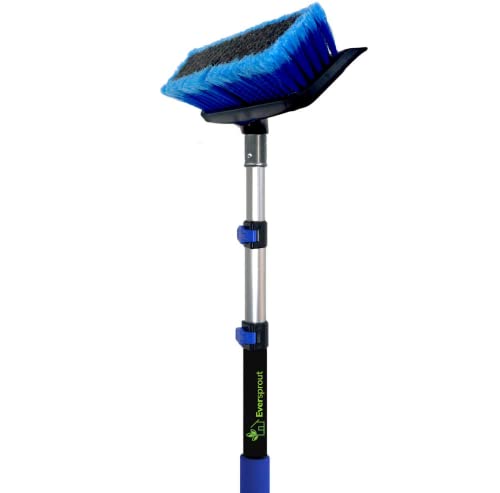
- non-scratch scrub brush for aluminum doors
- microfiber cleaning cloths for aluminum doors
- squeegee window cleaning kit for exterior aluminum doors
- rust and corrosion remover safe for aluminum doors


Before You Start
Prepare the workspace and protect nearby surfaces. Remove objects from the door area and lay down a soft towel to catch drips. Use gloves if you’re dealing with stronger cleaners, and avoid harsh solvents that can damage anodized coatings. Work in shade or on a cool surface to prevent cleaner quick-drying and streaks. Estimate 20–40 minutes for exterior doors and 15–30 minutes for interior doors, depending on dirt level.
Step-By-Step: How To Clean Aluminum Doors
- Dust and dry wipe to remove loose dirt with a microfiber cloth to prevent scratching during wet cleaning.
- Prepare cleaning solution by diluting a dedicated aluminum door cleaner as directed on the label. For routine cleaning, plain warm water with a few drops of mild dish soap can work well.
- Apply cleaner to a microfiber cloth or directly to the door in small sections; avoid saturating the surface to prevent moisture buildup in seams.
- Wipe in the direction of the door’s grain or along the fixture lines to maintain a uniform finish. Use a non-scratch scrub brush for stubborn grime on textured panels.
- Rinse the cloth or sponge frequently and replace with a clean, damp cloth to prevent re-depositing soil.
- If rust or corrosion is present, apply rust and corrosion remover safe for aluminum doors to affected areas following the product instructions; rinse thoroughly afterward.
- Dry the surface immediately with a clean microfiber cloth or use a squeegee window cleaning kit to remove excess water, especially on exterior doors.
- Inspect for streaks and repeat gentle wiping on any persistently dull areas. For a final polish, buff with a dry microfiber cloth to restore shine.
- Let the door air-dry completely before reattaching any hardware or returning items to the area.
Troubleshooting
| Symptom | Likely Cause | Fix | Prevention |
|---|---|---|---|
| Streaky finish after cleaning | Residue from cleaners or hard water | Wipe with a damp microfiber cloth, then dry with a fresh cloth | Rinse with clean water; dry promptly |
| Scratch marks on surface | Using abrasive tools or rough cloth | Switch to non-scratch scrub brush and soft microfiber cloths | Never scrub with metal brushes |
| Rust spots developing | Exposure and moisture on untreated areas | Apply rust and corrosion remover safe for aluminum doors per instructions | Regular maintenance and prompt cleaning of moisture |
| Door finish dulls over time | Harsh cleaners or mineral deposits | Use a mild aluminum-safe cleaner and polish with microfiber | Consistent, gentle cleaning schedule |
Common Mistakes
- Using abrasive pads or steel wool on aluminum surfaces
- Over-wetting doors, especially near joints or frames
- Using household cleaners not labeled for aluminum or containing ammonia
- Neglecting to dry the door after cleaning, which can cause water spots
- Ignoring rust or corrosion early, letting it worsen
Tips For Best Results
- Test cleaners on a hidden area before full application to ensure compatibility.
- Clean from top to bottom to prevent dirty runoff from re-staining areas already cleaned.
- Schedule seasonal cleanings to reduce oxidation and maintain finish integrity.
- Use microfiber cloths exclusively for aluminum doors; they trap dirt without scratching.
- Keep a dedicated set of tools for exterior doors to avoid cross-contamination with indoor finishes.
Call A Professional
Consider contacting a professional if the door shows deep pitting, extensive rust, or damage to anodized coatings. Stop immediately and seek expert help if chemical cleaners cause discoloration, peeling, or any unusual reaction. For high-traffic exterior doors with heavy grime, a specialist can perform safer refinishing or recoating options.
FAQ
Can I use vinegar on aluminum doors?
Vinegar is generally safe in diluted form for aluminum, but it can be harsh on finishes over time. Use mild cleaners first and test a small area.
How often should aluminum doors be cleaned?
Exterior doors benefit from monthly light cleanings and an occasional deeper clean every 2–3 months, depending on exposure to weather and pollutants.
What’s the best way to remove fingerprints?
Wipe with a microfiber cloth dampened with a mild cleaner, then dry with a separate microfiber cloth.
Is there a protective coating for aluminum doors?
Yes, some doors benefit from a clear protective sealant after cleaning; follow product directions and test compatibility first.
Buying Guide
Choosing the right cleaning approach for aluminum doors involves several factors. Start with the size of the door and its material finish (standard aluminum, anodized, or painted). Noise level and energy efficiency are less about cleaning but relevant if you consider hardware or integrated components. For cleaning, prioritize tools that minimize scratches and materials designed for metal care.
Key buying factors include:
- <bSize and layout: Ensure cleaning tools reach all panels and frames without overextending.
- <bSafe cleaners: Select products labeled safe for aluminum to protect coatings and prevent corrosion.
- <bTools: A non-scratch scrub brush, microfiber cloths, and a squeegee window cleaning kit are versatile for exterior doors; include a dedicated aluminum door cleaner spray bottle.
- <bRust/corrosion protection: Have a remover that is safe for aluminum to address minor rust spots early.
- <bPlacement and access: For multi-panel doors, consider tools with extendable handles for harder-to-reach areas.
Looking for the right kit? A balanced setup that includes a cleaner, microfiber cloths, a non-scratch brush, and a squeegee is typically sufficient for most American homes. Consider storage convenience and ease of replacement cloths to sustain long-term upkeep.