Keeping walls clean without leaving marks can brighten a room and extend the life of painted surfaces. By using the right tools and a simple technique, homeowners can achieve streak-free results with minimal effort. This guide outlines a practical approach that leverages common microfiber products and a careful cleaning routine.
Quick Answer
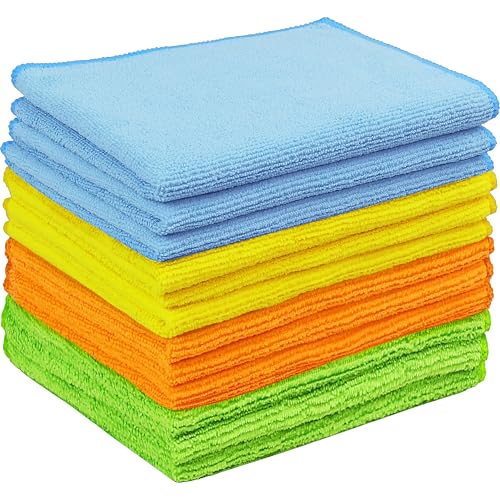
For fast, streak-free walls, dust first with a microfiber wall cleaning cloth or extendable duster, then wipe with a soft microfiber sponge and a streak-free wall cleaner spray. Finish with a microfiber mop head for walls when needed, and rinse the cloth frequently to avoid re-depositing dirt.
What You’ll Need
- Microfiber wall cleaning cloth 12×12 no streaks
- Extendable wall duster microfiber head 24-36 inch
- Soft microfiber sponge for walls streak-free cleaning
- Streak-free wall cleaner spray 24 oz no residue
- Microfiber mop head for walls washable


Before You Start
Prepare a reachable workspace and protect nearby furniture with drop cloths. Test a small, inconspicuous area first to ensure the cleaner does not affect paint or wallpaper. Work from top to bottom to catch drips. Use gentle, circular motions and avoid harsh scrubbing that can remove paint or finish.
Additionally, ventilate the area and wear gloves if you have sensitive skin. Allow a brief drying period after each pass to prevent re-wetting walls. Time estimates vary, but plan for 20–40 minutes for a standard room, longer for textured surfaces or multiple coats.
Step-By-Step: How To Clean Walls Without Streaks
- Remove dust from walls using the extendable wall duster microfiber head to reach high corners and ceiling lines.
- Dust downward in long, smooth strokes to minimize dirt being redistribed onto areas already cleaned.
- Place a microfiber wall cleaning cloth on a flat surface or handheld pad, ready for spot cleaning with the soft microfiber sponge.
- Lightly mist the streak-free wall cleaner spray onto the cloth or directly onto the sponge, avoiding soaking the wall.
- Gently wipe in a\ single direction on flat painted surfaces to lift dirt without leaving cross-streak marks.
- For stubborn marks, apply a touch more cleaner and use the soft microfiber sponge with light pressing, then buff with a dry area of the cloth.
- Use the microfiber mop head for ceilings or high walls as needed, rinsing frequently to remove dirt and prevent smear transfer.
- Rinse the cloth and sponge often, wringing out excess moisture to prevent puddling or saturation on the wall.
- For textured surfaces, work in small sections and follow the grain or texture pattern to avoid uneven residue.
- Inspect for any remaining streaks and touch up with a clean, dry microfiber cloth as a final buff.
- Clean tools after use: wash microfiber items in warm water with mild detergent and air dry fully before storing.
Troubleshooting
| Symptom | Likely Cause | Fix | Prevention |
|---|---|---|---|
| Streaks after cleaning | Dirty cloth or excess moisture | Rinse and wring cloth well; use less moisture on walls | Use fresh microfiber cloths for each wall section |
| Spotting or fuzz on walls | Lint from cloth | Use high-quality microfiber and keep cloth dry between passes | Pre-wipe with a dry cloth to reduce lint transfer |
| Tiring or slow work | Surface too damp or heavy cleaner | Spray lightly; work in small sections and dry buff | Schedule rest breaks and use extendable tools for hard-to-reach areas |
| Water marks on glossy paint | Excess cleaner or pooling | Wipe in one direction; remove excess moisture promptly | Test cleaner on a hidden area first |
Common Mistakes
- Over-wetting walls, which leads to runs and streaks
- Using abrasive scrubbing on flat or eggshell finishes
- Skipping dusting before washing, causing dirt to smear
- Reusing dirty cloths without rinsing, transferring grime
Tips For Best Results
- Begin with a dry-dusting pass to remove loose dust and cobwebs, especially near corners and ceilings.
- Use a dedicated streak-free wall cleaner spray that leaves minimal residue—test on a small area first.
- Work in constant, controlled motions and keep moisture levels low to prevent streaks.
- Rinse and sanitize microfiber tools after each cleaning session to extend their effectiveness.
- For large rooms, break the job into zones and maintain a routine to avoid missing spots.
Call A Professional
Consider contacting a pro if walls have extensive marks, grease buildup, or wallpaper with peeling or staining. Signs to seek help include persistent stains after multiple cleanings, peeling paint, or structural concerns around moisture. A professional can assess surface finishes, suggest appropriate products, and prevent wall damage.
FAQ
Can I use everyday household cleaners on walls without streaks?
Yes, but choose a streak-free spray designed for walls and test in a hidden area first to avoid damage.
What is the best technique to avoid streaks on flat paint?
Dust lightly, wipe in a consistent direction, and use a dry microfiber cloth to buff away any remaining moisture.
How often should walls be cleaned to maintain their appearance?
Typically every 6–12 months for most rooms, or more frequently in high-traffic areas or kitchens.
Are microfiber products safe for all wall finishes?
Most paints and wallpapers tolerate microfiber tools, but test first on a inconspicuous area and follow manufacturer guidelines.
Buying Guide
Choosing the right tools for wall cleaning depends on surface type, room size, and convenience. The key factors below help compare options and select the best setup for streak-free results.
Size and Reach
Consider tools that extend to reach high ceilings and wall corners, such as an extendable wall duster microfiber head in 24 to 36 inches. A longer reach reduces ladders and improves efficiency on large walls.
Cleanliness Power and Residue
Look for a streak-free wall cleaner spray that leaves no visible residue. Concentrate on products that lift dirt without leaving streaks and require minimal rinsing.
Surface Compatibility
Check that microfiber cloths, sponges, and mop heads are safe for painted walls, wallpaper, and textured surfaces. Some textures require softer pads to avoid abrasion.
Material Durability and Care
Opt for machine-washable microfiber components to save money over time, and verify that the mop head and cloths are easy to clean and dry quickly to prevent mold and odors.
Control and Versatility
Multi-purpose tools that clean ceilings, walls, and corners with adjustable heads provide better value. A spray bottle or built-in cleaning solution can simplify workflow.
Placement and Storage
Choose tools that can be stored compactly and hung in access-friendly spots. Consider color-coded kits to avoid cross-contamination between surfaces (kitchens vs. living areas).
Noise and Efficiency
Look for quiet operation with efficient microfiber heads that cover more area per pass, reducing cleaning time and fatigue.