Keeping the home’s air ducts clean can improve indoor air quality, reduce dust buildup, and help HVAC systems run more efficiently. This guide walks through practical steps, tools, and safety precautions to clean residential air ducts using common duct cleaning equipment.
Readers will find a concise, task-oriented approach that emphasizes safety, proper technique, and maintenance to extend the life of the HVAC system and maintain a healthier living environment.
Quick Answer
Use a combination of a 24 inch HVAC duct cleaning brush set and a 40 inch spiral stainless steel brush to loosen debris, followed by a vacuum with a hose attachment designed for duct cleaning. Wear a mask and eye protection, seal return vents, and work in sections from supply to return. Clean or replace the cabin air filter if accessible, and dispose of debris safely.
What You’ll Need
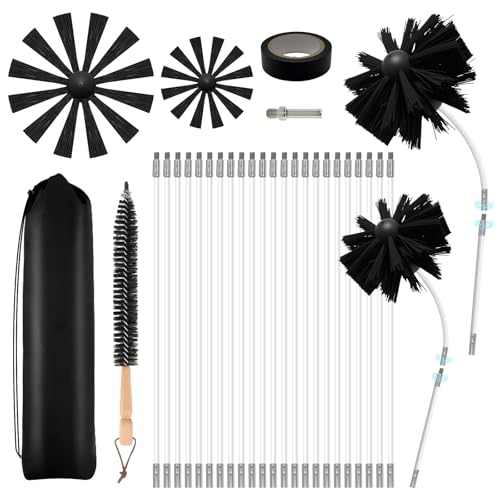
- HVAC duct cleaning brush set 24 inch
- Spiral duct cleaning brush stainless steel 40 inch
- Vacuum hose attachment for air duct cleaning
- Reusable air filter cleaning brush for HVAC
- Car cabin air filter removal tool kit


Before You Start
Prepare the workspace by turning off the HVAC system at the thermostat and ensuring power is shut off to the furnace and blower. Protect flooring and furniture with drop cloths. Wear gloves, a dust mask, and eye protection. Avoid forcing ducts or damaging linings. Expect dust and debris to be released while brushing, so ventilate the area as much as possible and work slowly in sections. Time range: 2–6 hours depending on system size and access.
Important: Do not attempt cleaning if ducts are damaged, mold is suspected beyond simple surface contamination, or if you are unsure about accessing certain sections. In those cases, consult a professional.
Step-By-Step: How To Clean Air Ducts
- Shut off the HVAC system and guard against hidden electrical hazards before starting.
- Remove register grilles and vents to gain access to the ductwork.
- Inspect accessible sections for obvious debris, dust, and loose insulation that needs addressed.
- Attach the 24 inch HVAC duct cleaning brush set to a flexible wand and begin brushing from each register toward the main trunk.
- Use the spiral duct cleaning brush stainless steel 40 inch to reach deeper into longer runs, brushing in a controlled back-and-forth motion.
- Run the vacuum hose attachment for air duct cleaning alongside the brushing to capture dust as it loosens.
- Work in sections, brushing and vacuuming each area before moving to the next, ensuring you cover supply and return paths.
- Clean accessible access points such as plenums and nearby components with the reusable air filter cleaning brush for HVAC to remove surface debris.
- If a car cabin air filter is reachable, use the car cabin air filter removal tool kit to inspect and replace the filter as needed.
- Reinstall all vent grilles, seal any gaps, and turn the system back on to verify airflow and detect any abnormal noises.
- Dispose of debris in a sealed bag, and thoroughly clean tools after use to prevent cross-contamination.
- Follow up with a professional inspection if there is persistent odor, mold, or unusual airflow issues.
Troubleshooting
| Symptom | Likely Cause | Fix | Prevention |
|---|---|---|---|
| Dust returns shortly after cleaning | Residual dust in ducts or new dust from activity | Rebrush targeted areas and re-vacuum | Schedule regular maintenance |
| Unpleasant odor after cleaning | Moisture or mold within ducts | Consult a mold remediation professional | Address moisture sources and use appropriate filtration |
| Weak airflow | Blocked or closed vents | Open all registers and clear blockages | Inspect return paths for obstructions |
| Dust on furniture after cleaning | Inadequate sealing around vents | Seal gaps and ensure proper vent sealing | Use air-tight vent covers during cleaning |
Common Mistakes
- Over-brushing without adequate vacuum support, causing dust to escape into living spaces.
- Forcing tools through tight bends, risking duct damage or contamination spread.
- Neglecting to cover or seal intake and return vents during the process.
- Using incompatible brushes for certain duct types or coatings.
Tips For Best Results
- Work in a well-ventilated area and wear a high-quality mask to minimize inhalation of dust.
- Use brushes matched to duct size for effective cleaning without shedding bristles.
- Coordinate brushing and vacuuming to keep debris under control and prevent recontamination.
- Document sections cleaned to track coverage and identify any missed channels.
Call A Professional
Consider professional help if any of the following apply: visible mold growth, rodent infestation, extensive duct damage, or if the system is difficult to access safely. If unsure about electrical or combustion components, stop and consult a licensed HVAC technician.
FAQ
Do I need to clean my air ducts every year?
Frequency depends on usage, allergies, and dust levels; consult local guidance and monitor air quality for signs that cleaning is beneficial.
Can I use household products to clean ducts?
Home cleaners are not recommended for interior ducts; use purpose-built brushes and vacuums designed for duct cleaning.
How long does a typical cleaning take?
Most residential cleanings take 2–6 hours, depending on system size and accessibility.
Will cleaning ducts reduce allergy symptoms?
Improved filtration and reduced dust can help, but environmental control and filtration quality also play key roles.
Buying Guide
When selecting duct-cleaning tools and accessories, consider the size of the ducts, compatibility with existing equipment, and the level of debris typically encountered. A robust kit including a 24 inch duct cleaning brush and a 40 inch spiral steel brush provides flexibility for different layouts. A dedicated vacuum hose attachment helps capture dust during brushing. For homes with limited access or specific filter needs, a car cabin air filter removal tool kit can simplify maintenance. Look for brushes with durable bristles and corrosion-resistant materials to withstand repeated use.
Key Buying Factors
- Size and reach: Choose brushes that fit your duct dimensions and can reach long runs.
- Brush material: Stainless steel bristles offer durability, while softer brushes reduce risk in delicate ducts.
- Vacuum compatibility: Ensure the vacuum hose attachment is compatible with your vacuum model and air-flow capacity.
- Ease of cleaning: Reusable brushes reduce waste; look for easy-to-clean designs.
- Filter access: If cabin filters or other filters are within reach, select tools that aid quick inspection and removal.
- Accessibility: Consider extendable tools for hard-to-reach areas and tight spaces.