Encyclopedias are bulky and heavy, and outdated editions can create clutter at home, in offices, or during moves. This guide provides practical, legal, and eco-friendly ways to dispose of or repurpose encyclopedias while protecting personal information and the environment. It covers donation, recycling, and proper disposal methods, with actionable steps and tools that can help streamline the process.
Quick Answer
Decide first: donate or recycle. If donation isn’t possible, compact the sets and prepare for proper recycling or disposal. For oversized stacks, consider renting or using specialized equipment to move and process them safely.
What You’ll Need
- Heavy duty paper shredder for old books
- Book shredder cross cut 12 sheet
- Industrial paper shredder for office use
- Moving dolly cart for heavy boxes
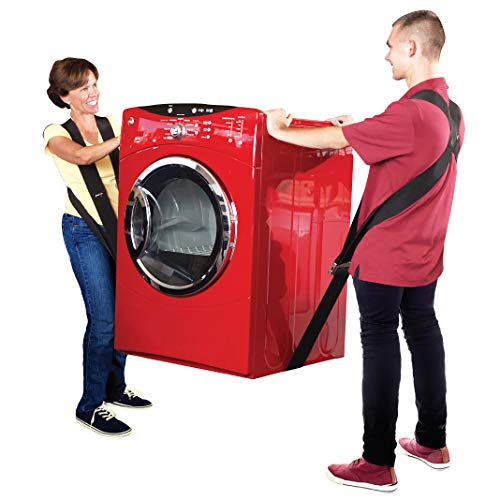
- Furniture moving straps lifting belts


Before You Start
Assess the condition of the encyclopedias to determine the best path: donation, recycling, or disposal. Check local recycling and waste guidelines, as some communities restrict the size or type of paper accepted. Gather packing materials and PPE as needed.
Caution: Do not mix encyclopedias with hazardous materials or non-paper inserts that may contaminate recycling streams. Large stacks can be heavy and may cause injury if lifted improperly. If moving large quantities, use appropriate equipment and seek assistance when needed.
Step-By-Step: How To Get Rid Of Encyclopedias
- Identify editions and owners: Separate sets by year, condition, and whether they’re public-domain or copyrighted editions that some libraries or charities may prefer.
- Check local donation options: Universities, literacy programs, schools, and libraries may accept used encyclopedias in good condition. Call ahead to confirm acceptance and any restrictions.
- Prepare for donation or sale: Remove dust jackets, wrap fragile volumes, and group complete sets together. For very heavy stacks, use a moving dolly cart for heavy boxes or furniture moving straps lifting belts to reduce strain.
- Resolve accessibility and transport: If you must move encyclopedias to curbside or a donation center, use a moving dolly cart for heavy boxes to transport stacks safely to a vehicle or loading area.
- If recycling is preferred: Contact local curbside or municipal recycling, and prepare bundles as required. In some areas, you may need to break volumes into smaller bundles for easier processing.
- Consider shredding for secure disposal: If the encyclopedias contain sensitive information or you want to minimize bulk, use a heavy duty paper shredder for old books or book shredder cross cut 12 sheet to reduce volume before disposal, ensuring compliance with local rules.
- For storage that’s still needed: If you plan to keep a subset, store in labeled boxes or shelving, and consider donating the rest. Track receipts or donation confirmations if available for tax purposes where applicable.
- Arrange pickup or drop-off: Schedule a pickup with a charitable organization or deliver to a recycling center or library. Confirm hours and any required appointment times to avoid delays.
- Verify final disposition: Ensure that all materials have been accepted and that you have documentation or confirmation of donation or recycling whenever possible.
- Review future options: To prevent future buildup, consider digital versions or targeted editions you want to keep, and recycle or donate the rest promptly.
Troubleshooting
| Symptom | Likely Cause | Fix | Prevention |
|---|---|---|---|
| Cannot donate due to damage | Volumes are heavily worn or incomplete | Donate what’s usable; recycle or dispose of the rest | Assess early and separate usable from damaged items |
| Bulk shipment impossible | Too many volumes at once | Break into smaller batches using a moving dolly cart | Plan pickups or drop-offs across multiple trips |
| Recycling rejected by curbside | Non-paper inserts or binding materials | Strip covers if allowed and recycle paper separately | Check local guidelines before sorting |
| Heavy lifting causes strain | Improper lifting technique or lack of equipment | Use straps and dollies; bend knees, keep back straight | Ask for help when moving large stacks |
Common Mistakes
- Trying to recycle bound volumes without breaking them apart according to local rules
- Forgetting to check charity acceptance guidelines before hauling
- Overlooking donation receipts that may qualify for tax benefits
- Ignoring safety when handling very heavy stacks
Tips For Best Results
- Bundle complete sets together and label by year for easy donation or resale decisions
- Use a moving dolly cart for heavy boxes to minimize strain during transport
- When shredding, use a book shredder cross cut 12 sheet to reduce volume securely
- Coordinate with local libraries or schools to maximize reuse opportunities
- Document donation or recycling and keep confirmations for records
Call A Professional
Consider hiring professionals if the encyclopedias are part of a larger decluttering project, if you face structural limitations (e.g., narrow doorways or stairs), or if you need to schedule a large pickup. Stop signs include: heavy stacks that cannot be moved safely, lack of transport options, or unclear recycling rules. In these cases, a moving or waste-collection service can provide safe handling and proper disposal.
FAQ
Can encyclopedias be recycled curbside?
Yes in many communities, but volumes may need to be separated or broken down according to local guidelines.
What should I do with damaged encyclopedias?
Donate the usable volumes and recycle or dispose of the rest, following local rules.
Is it better to donate or recycle?
Donating keeps books in use; recycling is best for damaged or outdated volumes.
Are there any tax benefits for donating encyclopedias?
Many charitable donations qualify for a tax receipt; check with the recipient organization and keep proof of donation.
Buying Guide
When choosing services or tools for disposing of encyclopedias, consider size, stacking weight, and accessibility in the home. Would you benefit from professional pickup or on-site help? Compare options based on the factors below to select the best approach for your needs.
Key Buying Factors
- <bSize and weight: Large, heavy books require bulk handling equipment or professional services. Consider if a moving dolly cart for heavy boxes or lifting straps will suffice.
- <bNoise level: If you choose shredders for secure disposal, review noise ratings for home use and consider timing to minimize disruption.
- <bEnergy efficiency: For any powered shredders, look for energy-efficient models and appropriate safety features.
- <bControls: Simple, intuitive controls reduce the risk of jams or misuse when shredding or processing volumes.
- <bPlacement: Plan where to perform shredding or sorting—a well-ventilated area and away from living spaces can reduce odors and dust.
Several perspectives help ensure depth: accessibility and transport, environmental impact, and the practical balance between donation and recycling. If a single-step approach doesn’t fit, a combination strategy—donate usable volumes, recycle the rest, and safely store any needed references—offers a flexible solution. Curious which path fits best? Start with a quick assessment of what you can donate and what needs to be recycled, then proceed with the steps outlined above.