Keeping an air conditioner clean improves cooling efficiency, expands equipment life, and maintains indoor air quality. This practical guide walks American homeowners through safe, step-by-step cleaning using commonly available tools and specific products designed for AC care.
Quick Answer
Inspect filters and duct access, clean the evaporator coils, clear the condensate drain, and gently brush outdoor fins. Use an appropriate coil cleaner spray on coils, a fin comb for bent fins, and a duct brush for accessible ducts. Always unplug the unit first and avoid harsh solvents on sensitive components.
What You’ll Need
- evaporator coil cleaning kit
- air conditioner fin comb and brush set
- AC drain line cleaning kit
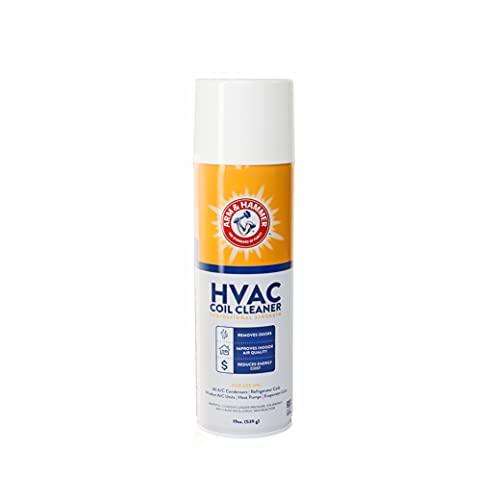
- condenser coil cleaner spray for AC
- HVAC duct cleaning brush tool set


Before You Start
Before working on an AC system, ensure the power is shut off at the breaker and at the unit’s disconnect switch. If the HVAC system is hard to reach, or the house uses a complex duct network, consider professional help. Exercise caution around electrical components and sharp fins. Allocate 30–90 minutes for a standard residential unit, depending on accessibility and grime level.
Safety notes: wear eye protection when spraying coil cleaners, keep liquids away from electrical connections, and never operate a unit with a damaged power cord or exposed wiring.
Step-By-Step: How To Clean An Air Conditioner
- Turn off the entire HVAC system at the thermostat, then switch off power at the service disconnect and breaker. Confirm no air is flowing during cleaning.
- Remove and inspect accessible air filters. If dirty, replace or clean according to the manufacturer’s directions, then reinstall.
- Access the evaporator coil area. Use the evaporator coil cleaning kit to apply a coil-safe cleaner, following product instructions. Let the solution dwell as directed.
- Rinse or wipe away loosened grime from the evaporator coils using a spray or damp cloth, taking care not to bend fin edges. Dry the area thoroughly.
- Inspect and clean the condensate drain line with the AC drain line cleaning kit. Remove any blockages or algae growth and flush with recommended cleaners or water.
- Inspect outdoor condenser fins. Use the air conditioner fin comb and brush set to straighten bent fins gently; avoid aggressive combing that can snap the fins.
- Wipe down the exterior cabinet and ensure there are no obstructions around the condenser unit. Clear leaves, debris, and vegetation within a few feet of the outdoor unit.
- Reassemble all components, replace filters if needed, and restore power. Run the unit on a cooling cycle to verify proper operation and airflow.
Troubleshooting
| Symptom | Likely Cause | Fix | Prevention |
|---|---|---|---|
| Weak airflow | Clogged filter or blocked duct | Replace filter; remove debris from ducts where easily accessible | Schedule regular filter checks |
| Condensate backup | Blocked drain line | Clean drain line with kit; ensure proper slope | Maintain a clear drain path during seasons |
| Fins bent after cleaning | Rough handling | Careful use of fin comb | Alway handle coils gently |
| System short cycling | Overheating or electrical issue | Inspect connections; call a pro if unsure | Do not force components |
Common Mistakes
- Using harsh or corrosive cleaners on coils
- Forgetting to disconnect power before starting
- Over-wetting electrical components near the indoor air handler
- Neglecting outdoor unit clearance and airflow around the condenser
These mistakes can reduce efficiency or cause damage. Following manufacturer guidelines helps prevent issues during and after cleaning.
Tips For Best Results
- Clean coils during mild weather to limit rapid temperature changes on the system.
- Schedule routine coil, filter, and drain maintenance at least twice a year for central systems.
- Use protective gloves and goggles when handling coil cleaners and when brushing fins.
- Keep a maintenance log noting filter type, cleaning dates, and any anomalies observed.
Call A Professional
Hiring a licensed HVAC technician is advised if the system shows refrigerant leaks, unusual noises, frequent cycling, or if cleaning access is difficult or unsafe. Seek professional help when the outdoor unit is dirty with heavy debris, or if the ductwork is air-sealed and not readily accessible.
FAQ
Can I clean my air conditioner without turning off power?
No. Always shut off power at the breaker and the unit’s disconnect before starting any cleaning.
How often should I clean AC coils?
Generally twice a year for central systems, more often if the environment is dusty or if the unit is heavily used.
Is it okay to use a garden hose on the outdoor condenser?
Only if the hose is on a gentle spray and the unit is designed to withstand it. Avoid high-pressure streams that can bend fins or push debris inside.
What maintenance can I do myself for ductwork?
For accessible ducts, use a duct cleaning brush set to remove loose dust from register to trunk lines. Deep cleaning may require a professional service.
Should I replace my filters during cleaning?
Yes, replacing filters is typically recommended during cleaning to ensure optimal airflow and indoor air quality.
Buying Guide
When choosing tools and products for cleaning an air conditioner, consider several factors to fit home needs and unit type.
- Size and compatibility: Ensure coil cleaners are safe for your evaporator and condenser coils, and that duct brushes fit the diameter of your ducts.
- Noise level: Outdoor cleaning tools are usually low-noise, but consider a set with soft, non-metal bristles to minimize noise during use near living spaces.
- Energy efficiency: Regular cleaning helps maintain efficiency; avoid over-cleaning or excessive use of cleaners that might leave residues.
- Controls: Simple, task-focused tools with clear instructions prevent misuse and improve safety.
- Placement: Plan access routes to the indoor coil, drain line, and outdoor condenser to minimize disturbance and ensure safe handling.
Think about a starter kit that includes an evaporator coil cleaning kit, a fin comb and brush set, a drain line cleaning kit, a condenser coil cleaner spray, and a duct cleaning brush set. If the unit is coil-heavy or has complex ductwork, consider adding professional maintenance to your routine.