Cleaning air conditioning vents helps improve indoor air quality, optimize airflow, and reduce dust buildup. This practical guide walks American homeowners through a clear, step-by-step method using common tools and purpose-built vent cleaning gear. The goal is to remove debris without damaging ducts or grills and to establish a routine that prevents clogs.
With a systematic approach, you can maintain registers and vents in living spaces, kitchens, and bedrooms. The steps balance safety, efficiency, and cost, making it feasible for DIY maintenance while knowing when to call a professional for deeper duct work.
Quick Answer
What you’ll do: Remove vent covers, vacuum loose dust, use a brush or microfiber duster to dislodge debris, and finish with a wipe-down. For stubborn buildup, employ a flexible rod cleaning kit to reach tight spots. Reassemble and run the system on cool for a few minutes to clear residual dust.
What You’ll Need
- AC vent cleaning brush set
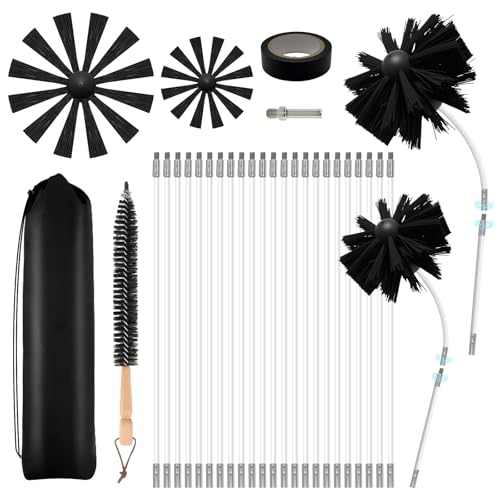
- HVAC duct cleaning kit with flexible rods
- Long reach air vent cleaning brush
- Extendable microfiber vent duster for air vents
- Stiff-bristle vent cleaning brush for register grills


Before You Start
Before beginning, ensure the HVAC system is off to avoid drawing dust into living spaces. Wear a dust mask and safety glasses, especially if there is visible mold or heavy dust. Work slowly to prevent bending delicate grill fins or tearing loose ductwork. Clear the area around each vent to create a clean work zone, and plan the project so you can complete all vents in one session if possible.
Time estimate: 30–90 minutes depending on the number of vents and accessibility. Important cautions: Do not use wet cleaners inside ducts, and avoid forcing tools through tight spaces. If you notice moisture or mold, stop and consult a professional.
Step-By-Step: How To Clean An AC Vent
- Turn off the HVAC system at the thermostat and circuit breaker to ensure safety during cleaning.
- Remove the vent cover or register grille by loosening screws or releasing fasteners. Place covers in a safe spot for reattachment.
- Vacuum loose dust and debris from the vent opening using a handheld vacuum with a narrow attachment to capture surface dust.
- Use an extendable microfiber vent duster to reach inside the louvers and capture dust on all sides of the grill.
- For deeper cleaning, insert a AC vent cleaning brush set or long reach air vent cleaning brush into the vent body and gently rotate to dislodge stuck dust.
- Work methodically from one end to the other, moving from the outer edges toward the center to minimize dust redistribution.
- Wipe the vent covers with a damp microfiber cloth or cloth with mild soap, then dry completely before re-installation.
- Reattach the vent covers and ensure they sit flush against the wall or ceiling.
- Turn the HVAC system back on and run for 5–10 minutes on a cool setting to push residual dust through the ducts and into the collection filter.
- Inspect a few vents after running the system to confirm no loose debris remains and vents are delivering clear airflow.
- Schedule routine cleanings twice a year or as needed in homes with pets or high dust levels.
- For difficult-to-reach vents or extensive buildup, consider a professional HVAC cleaning kit with flexible rods to finish safely.
Troubleshooting
| Symptom | Likely Cause | Fix | Prevention |
|---|---|---|---|
| Visible dust around vent after cleaning | Dust re-circulation or incomplete cleaning | Re-clean with microfiber duster; ensure all louvers are addressed | Establish a regular cleaning schedule |
| Weak airflow after cleaning | Blocked duct or closed damper | Check damper settings and inspect for furniture blocking vents | Keep vents unobstructed and have ducts inspected if issue persists |
| Dust on furniture after HVAC runs | Dust lifted by system, insufficient filtration | Replace or upgrade air filter; run system briefly with fresh filter | Upgrade filtration in high-dust areas |
| Unusual odors when system runs | Mold or mildew in ducts | Stop use and contact a pro for mold assessment and remediation | Maintain humidity and address water intrusion promptly |
Common Mistakes
- Using excessive moisture or liquid cleaners inside vents or ducts
- Forcing brushes into tight bends, which can bend fins or damage ducts
- Skipping vent covers—dust can accumulate more quickly without a thorough wipe-down
- Neglecting to turn off the system, risking unintentional dust spread
Tips For Best Results
- Combine a stiff-bristle vent cleaning brush for register grills with a microfiber duster for best surface capture.
- Use a HVAC duct cleaning kit with flexible rods for hard-to-reach spots inside ducts.
- Establish a cleaning routine aligned with seasons to minimize long-term buildup.
- Label vent covers to speed reassembly and maintain consistent airflow patterns.
- Keep pets and kids away during cleaning to avoid disturbances and inhalation risk.
Call A Professional
Significant issues may require professional intervention. Seek help if you notice persistent mold, persistent musty odors, water intrusion, or if cleaning does not improve airflow after multiple attempts. If you encounter duct damage, large debris blockages, or frequent system malfunctions, contact a licensed HVAC technician.
FAQ
How often should I clean AC vents?
Most homes benefit from cleaning every 6–12 months, but high-dust environments or pets may require more frequent attention.
Can I use water to clean vents?
Generally no inside ducts. Use dry methods and a damp cloth on the exterior surfaces if needed.
Do vent cleaning brushes damage the ducts?
When used correctly, brushes designed for vents are safe. Avoid forcing tools through tight spaces.
Is it necessary to replace filters after cleaning?
Yes. Replacing or upgrading the air filter improves filtration and reduces dust recirculation after cleaning.
Are there health benefits to cleaning vents?
Cleaning can reduce circulating dust and improve air quality, particularly for allergy-prone environments.
Buying Guide
When choosing tools for cleaning AC vents, consider size, reach, and compatibility with your home setup. A practical kit should include both a flexible duct cleaning option and targeted vent brushes for grills. Noise levels and ease of use matter for DIY projects in living spaces. Look for tools with comfortable handles, durable bristles, and corrosion-resistant materials.
Key buying factors include:
- Size and reach: Ensure tools reach all vents, including ceiling vents and high walls, without removing ceilings unnecessarily.
- Noise level: Handheld brushes and rods should operate quietly to minimize disruption.
- Energy efficiency: Tools do not consume energy directly, but choosing reusable, durable kits reduces waste and replacement frequency.
- Controls: Simple mechanical operation without complex electronics improves reliability.
- Placement: Consider attic, basement, and cabinet access when selecting a kit with flexible rods.
To compare options, assess kit contents against the vents in your home. A longer reach and combination of microfiber and stiff-bristle tools typically deliver the best results. If unsure, consulting product reviews or a professional can help tailor the selection to your HVAC setup.